
A Cuyahoga Valley glamping trip pairs days on waterfall trails and the Towpath with a more comfortable overnight setup outside the park. Depending on what regional hosts offer, that might mean a furnished tent, a small cabin, or another nature-focused rental with a real bed. The important distinction is location: search the surrounding communities, verify every amenity, and treat lodging as a separate reservation from your national park visit.
What Glamping Looks Like Near Cuyahoga Valley
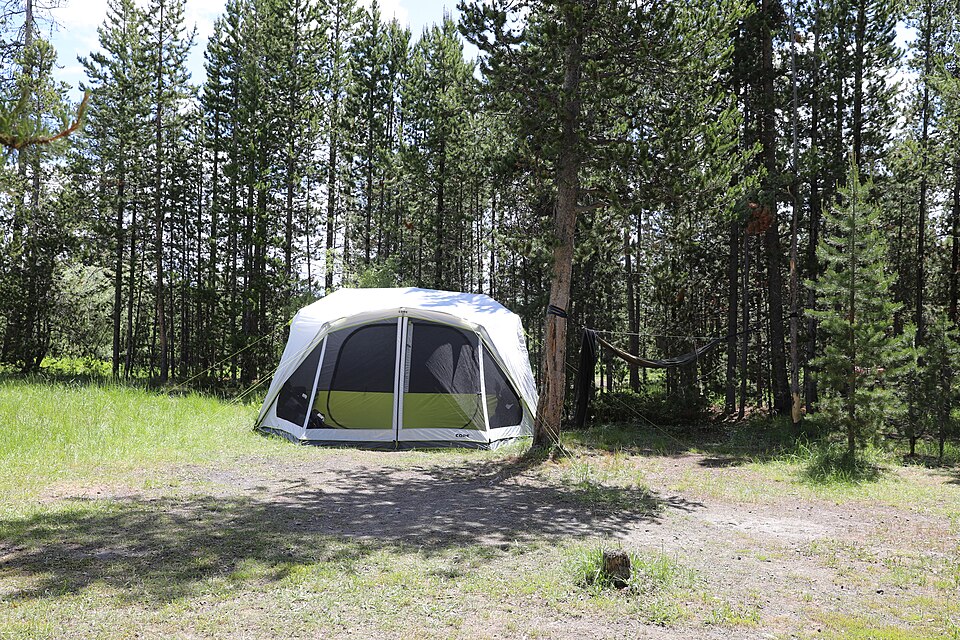
Glamping is a lodging style, not a standardized set of amenities. A furnished tent may provide beds and lighting but require a walk to shared bathrooms. A cabin may offer a private bathroom and kitchenette, yet feel more like a vacation rental than camping. Neither label tells you whether heating, air-conditioning, linens, or cooking equipment are included.
Plan to book outside the national park rather than expecting a park-operated glamping campground. Regional inventory can change, so evaluate actual listings instead of relying on a property category alone. Ask about drinking water, parking distance, bathroom access, weather protection, and after-dark arrival. Photographs can suggest atmosphere, but the written amenity list and host policies should guide your decision.
Where to Search: Peninsula and the Gateway Areas
Start your lodging search around Peninsula if being close to the valley corridor is your priority. Expand toward Boston Heights, Hudson, and communities around Akron for a broader geographic search. These are search areas, not promises that a particular glamping style will be available. Cleveland and Akron also provide conventional hotel backups if outdoor-focused lodging does not fit your dates.
Compare driving times to your intended trailheads, not just the distance to a general park map pin. Brandywine Falls, the Ledges, and Towpath access points are spread out. Read carefully for road noise, nearby homes, and shared grounds if you are imagining a secluded stay. Confirm that the property legally accommodates overnight guests and provides clear directions before booking.
Choose a Season That Matches Your Setup
Late spring through early fall is generally the simplest window for an unheated furnished tent, though Northeast Ohio can bring cool nights, rain, and humid afternoons. Summer rewards you with long daylight hours, but ventilation, shade, and insect screens deserve attention. A tent without climate control will feel different from a hotel room during a hot spell.
Fall can be appealing for foliage-focused weekends, especially in a cabin with confirmed heating. Do not assume bedding alone makes a seasonal tent comfortable in cold weather. Ask when the property operates and whether bathrooms or water systems are seasonal. Reserve once your dates are firm for popular weekends, and review weather-related cancellation terms. Check the official NPS site separately for current trail conditions and park access.
Where to sleep
Harvest Hosts stays on the way to Cuyahoga Valley National Park
Partner link · Harvest Hosts
What to Pack for a Comfortable Stay
Bring layered clothing, a rain shell, walking shoes with traction, insect repellent, sunscreen, and a refillable water bottle. A headlamp is useful for paths between your lodging and the bathroom, even when a listing includes electric lighting. Pack a warm layer for sitting outside after sunset and extra socks for damp trail days.
Let the confirmed amenity list determine the rest. You may need towels, bedding, cookware, dish soap, a cooler, or a phone power bank. Ask whether potable water and refrigeration are available before planning meals. Keep food and scented items stored according to host instructions rather than leaving them outside. Check fire rules before bringing supplies, use locally sourced firewood where fires are permitted, and never use outdoor cooking equipment inside a tent.
Glamping vs. Tent Camping vs. an RV Stay
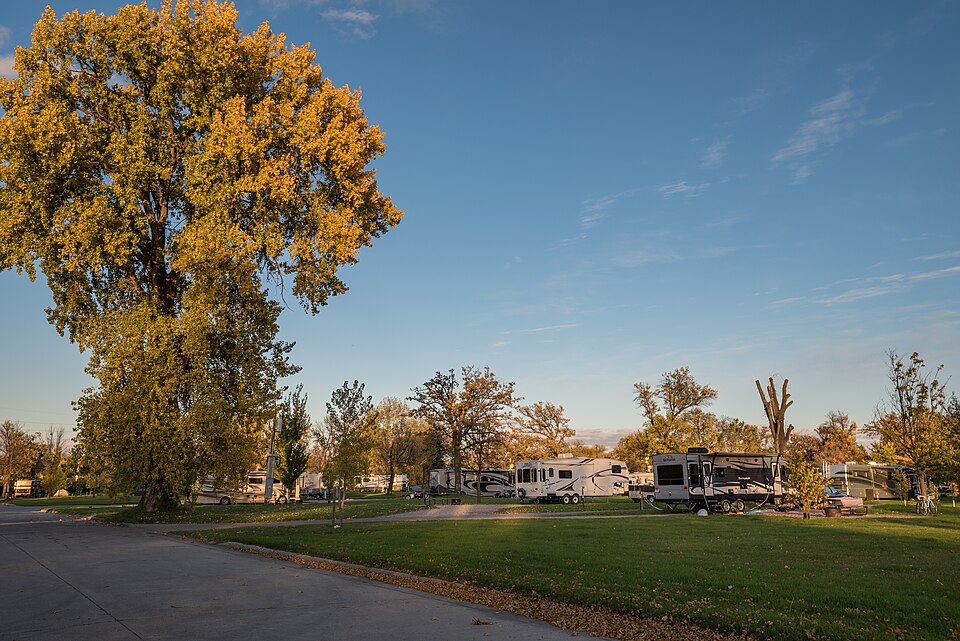
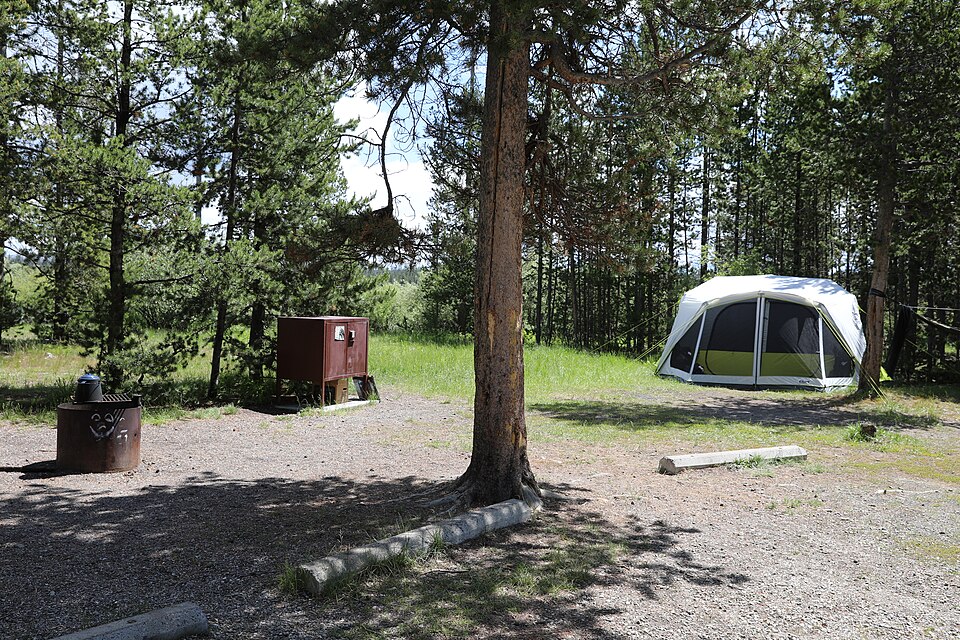
Choose glamping when you want a ready-made sleeping setup and less gear to transport. Traditional tent camping can offer a simpler, often lower-cost stay, but you supply more equipment and handle more weather exposure. An RV gives you a familiar sleeping space, though campground access, vehicle size limits, hookups, and waste disposal require advance planning.
For any option, arrange a suitable overnight site outside the park rather than assuming trailhead parking allows camping. Costs vary considerably; furnished lodging generally costs more than a basic tent site, and cleaning charges or minimum stays can change the comparison. Price the full stay, not just the displayed nightly estimate. Prioritize bathrooms, climate control, and trailhead access over decorative extras, then verify current park conditions through the official NPS website.