
Colorado National Monument is a playground for outdoor enthusiasts, offering a diverse array of activities that showcase the rugged beauty of the American West. From the sheer cliffs of the red rock canyons to the winding historical roads, there is no shortage of ways to explore this high-desert gem. Whether you are a dedicated hiker, a casual photographer, or a family looking for a scenic road trip, the monument provides an accessible yet wild experience just minutes from the bustling towns of the Grand Valley.
Driving the Historic Rim Rock Drive
The centerpiece of any visit is the 23-mile Rim Rock Drive. This historic road is a feat of engineering, winding along the plateau's edge and offering panoramic views of the canyons and the Colorado River Valley below. Driving the full length takes about an hour without stops, but most visitors spend half a day pulling over at the numerous overlooks. Key stops include the Cold Shivers Point, which offers a dizzying look down into Columbus Canyon, and the Artists Point, where the colors of the rock layers are particularly vibrant.
For cyclists, this road is considered one of the most scenic and challenging rides in the country. The steep climbs and tight tunnels require caution and proper lighting, but the reward is an intimate connection with the landscape. Drivers should be mindful of shared road conditions and keep an eye out for wildlife, as bighorn sheep frequently cross the pavement near the higher elevations. Remember to check the official park site for any construction updates that might affect traffic flow along this narrow route.
Hiking the Canyon Trails
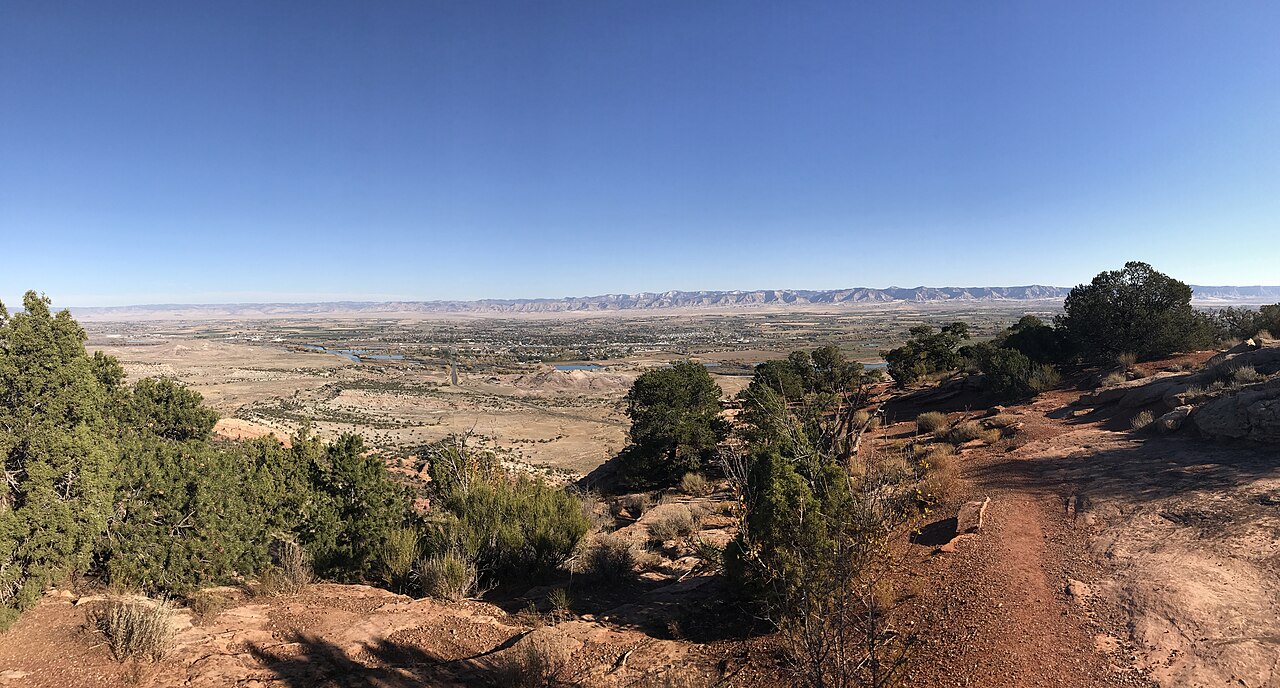
Hiking is undoubtedly one of the most popular things to do in Colorado National Monument. The park features over 40 miles of trails ranging from easy strolls to strenuous backcountry treks. For a short but impactful hike, Ottoâs Trail leads to an overlook of Independence Monument, the park's tallest free-standing spire. Those seeking a more rigorous challenge should head to the Monument Canyon Trail, which descends from the rim to the canyon floor, passing massive formations like the Kissing Couple and the Pipe Organ.
If you prefer to stay on the rim, the Canyon Rim Trail offers spectacular views with relatively little elevation gain, making it perfect for families. For those who enjoy history, the Serpent's Trail is a must; known as the 'crookedest road in the world' before the modern drive was built, it features 16 sharp switchbacks that now serve as a moderately steep hiking path. Always carry plenty of water, as the dry air and sun can lead to dehydration quickly, even on shorter walks.
Wildlife Watching and Nature Photography
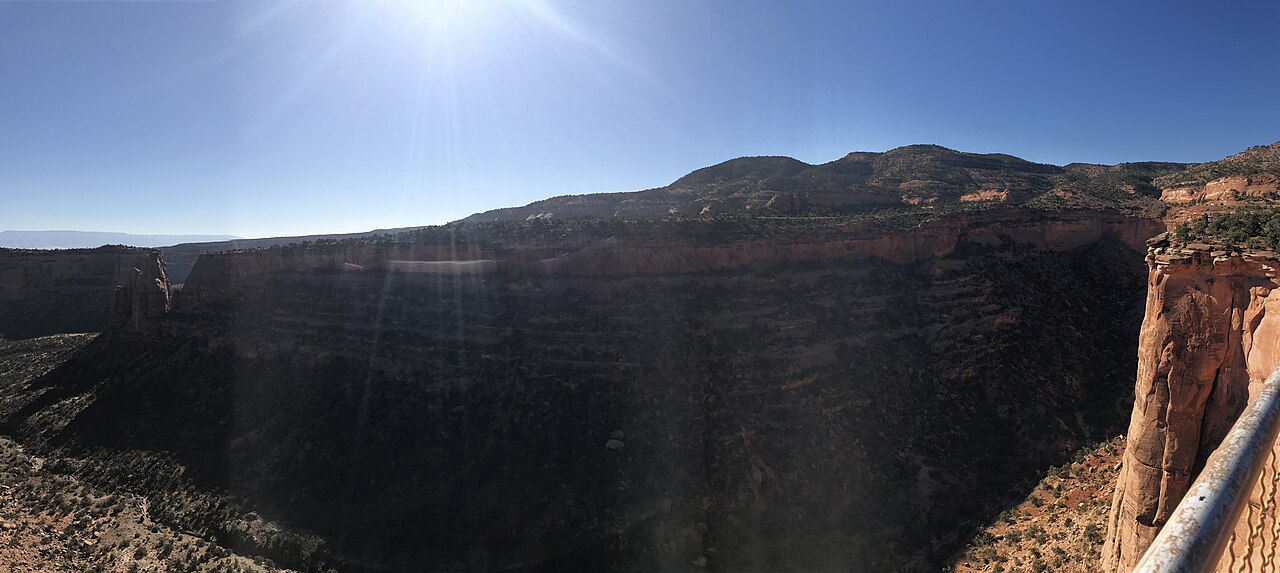
The monument is a haven for high-desert wildlife, and observing these animals in their natural habitat is a highlight for many visitors. Desert bighorn sheep are the stars of the show; they are often seen perched on rocky ledges or grazing near the roadside. Birdwatchers should bring their binoculars to spot peregrine falcons, which nest in the cliff faces, as well as pinyon jays and the occasional golden eagle. The transition zones between the canyon rim and the valley floor provide diverse habitats for a variety of species.
Photographers will find endless inspiration here, especially during the 'golden hours' of sunrise and sunset. The red Wingate Sandstone glows with an intense orange hue as the sun dips low, and the deep shadows in the canyons add dramatic depth to photos. Grand View and Independence Monument View are premier spots for capturing the scale of the monoliths. Even on a cloudy day, the contrast between the dark skies and the bright rocks creates a moody, compelling atmosphere for professional and amateur photographers alike.
Family-Friendly Exploration and Kids Programs
Exploring the monument with kids is both educational and exciting. The Visitor Center near the Fruita entrance is a great starting point, featuring exhibits on the geology and history of the area, including the story of John Otto, the man who campaigned to preserve the land. Children can participate in the Junior Ranger program, completing activities to earn a badge, which is a fantastic way to engage them with the environment. Many of the trails near the Visitor Center, like the Window Rock Trail, are short and relatively flat, making them accessible for younger hikers.
Picnicking is another great family activity, with dedicated areas at Devils Kitchen and near the Saddlehorn Campground. These spots allow families to relax under the shade of pinyon trees while surrounded by towering boulders. For a unique experience, look for the 'coke ovens'âlarge, rounded rock formations that look like giant stone beehives. The sheer scale of the rocks and the chance to spot a lizard or a chipmunk along the trail keeps kids entertained throughout the day.
Rainy Day Activities and Indoor Options
While the area is known for sunshine, rainy days do happen. If the weather turns sour, the Visitor Center offers a comprehensive indoor experience where you can watch a short film about the monumentâs creation and browse the bookstore. The exhibits provide a deep dive into the 1.7 billion years of geological history visible in the canyon walls. Rainy weather also provides a unique opportunity to see ephemeral waterfalls that form along the cliffs, a rare sight in this arid climate.
If hiking isn't an option due to mud or lightning, the scenic drive remains a viable activity, as the rain often deepens the colors of the sandstone, making them appear even more vivid. Alternatively, you can head into the nearby gateway cities of Grand Junction or Fruita. These towns offer museums, local art galleries, and craft breweries where you can wait out the storm. Always check the official NPS site or speak with a ranger during inclement weather, as some dirt trails may be closed to prevent damage and ensure visitor safety.