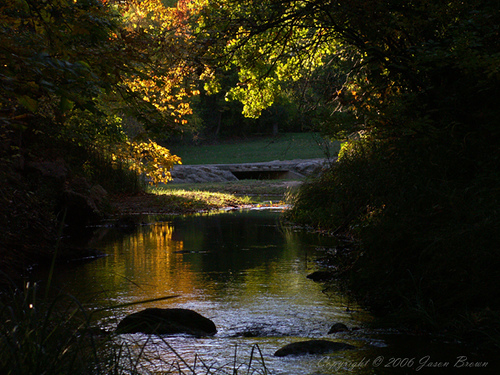
Choosing the best time to visit Chickasaw National Recreation Area depends largely on your tolerance for the Southern heat and your desire for water recreation. As Oklahoma's oldest national park unit, this oasis attracts visitors year-round, but the experience shifts dramatically between the humid, bustling summer months and the quiet, crisp days of winter. Whether you are coming for the historic mineral springs or the expansive waters of Lake of the Arbuckles, timing is key to a perfect getaway.
Spring Blooms and Running Streams
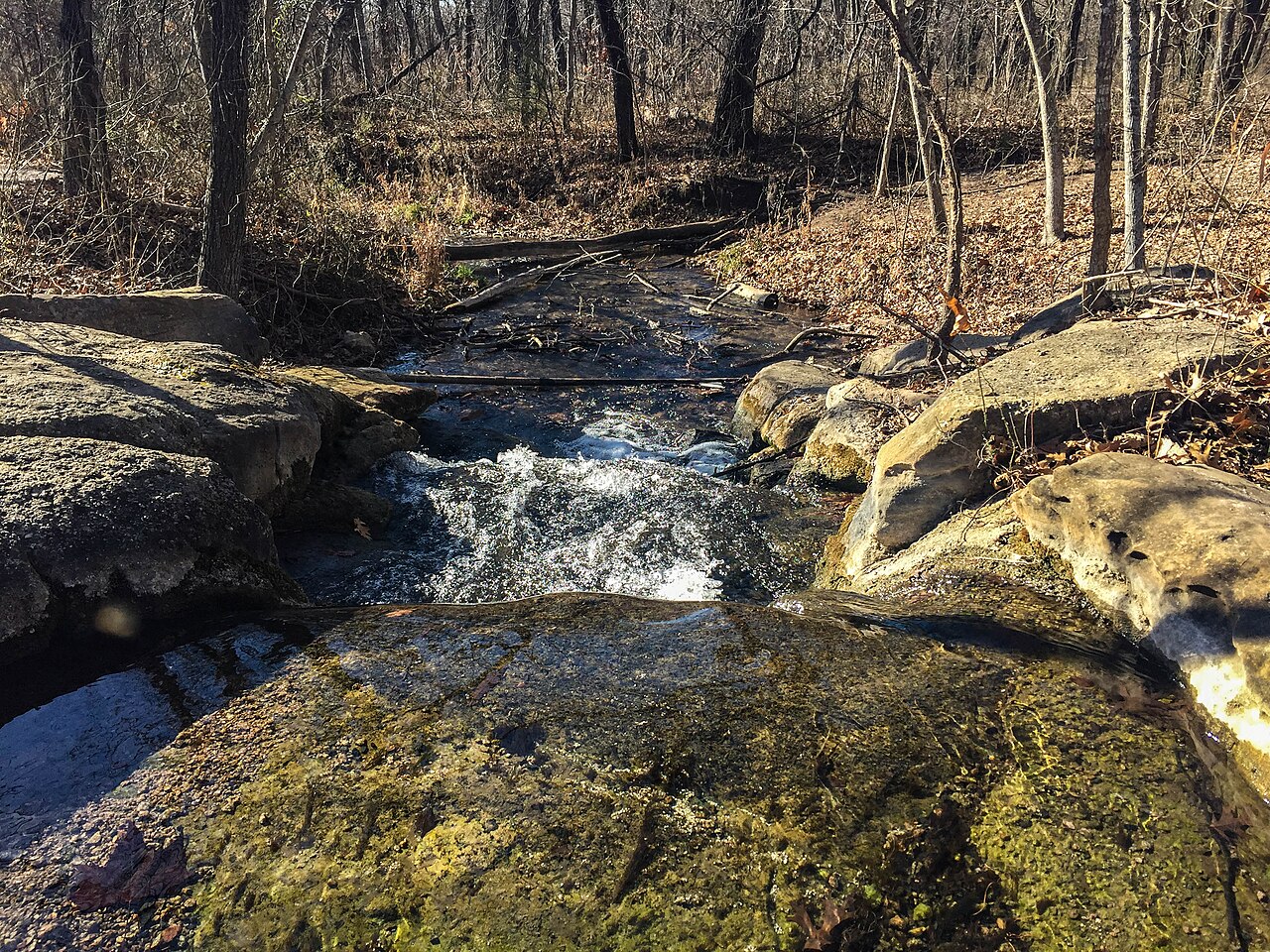
Spring is widely considered the best time to visit Chickasaw National Recreation Area if you want to see the landscape at its most vibrant. Starting in late March and extending through May, the park bursts into color with redbuds and wildflowers lining the trails. During this window, the water levels in Travertine Creek are typically at their peak due to seasonal rains, ensuring that the numerous small waterfalls and cascades are flowing beautifully. Temperatures are generally mild, often ranging from the 60s to the low 80s, making it the ideal season for hiking the Bromide Hill Trail without the intense humidity that defines the Oklahoma summer.
Birdwatching is also exceptional in the spring as migratory species pass through the hardwood forests. While the water may still be a bit chilly for extended swimming in early spring, the visual beauty of the park and the comfortable hiking conditions make it a prime choice for those who prefer active exploration over lounging in the sun. Crowds are manageable during the week, though weekends begin to see an uptick in local visitors from nearby Sulphur and Davis.
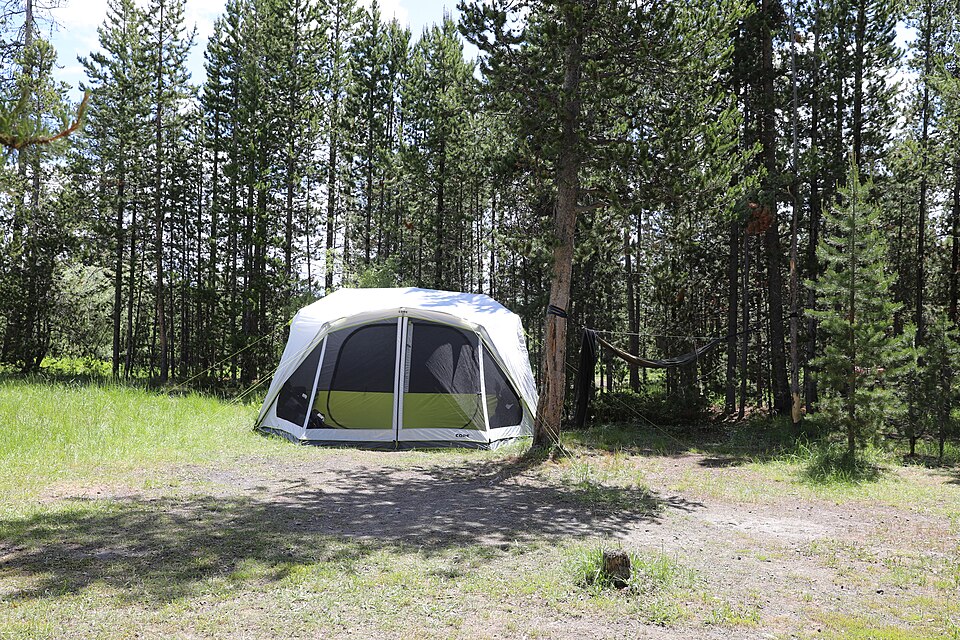
Lock in a stay for this season
RV parks near Chickasaw National Recreation Area on RoverPass
Partner link · RoverPass
Summer Fun and Swimming Holes
Summer is the busiest and most iconic season at Chickasaw. From June through August, the park becomes a regional hub for families seeking relief from the heat in the cool, spring-fed waters. The swimming holes at Little Niagara and Rock Creek are the primary attractions, offering a natural refreshment that stays consistently cool even when air temperatures soar into the high 90s. This is the peak season for Lake of the Arbuckles as well, where boating, fishing, and jet skiing take center stage.
Because this is the most popular time, you should prepare for significant crowds, particularly on holiday weekends. Parking near the most popular swimming spots can fill up by mid-morning, so arriving early is essential. The atmosphere is festive and lively, filled with the sounds of splashing water and family picnics. If you enjoy a social outdoor environment and want to fully utilize the park's water features, summer is the time to go. Be sure to check the official NPS site for any water quality advisories or temporary closures of popular swimming areas during these high-use months.
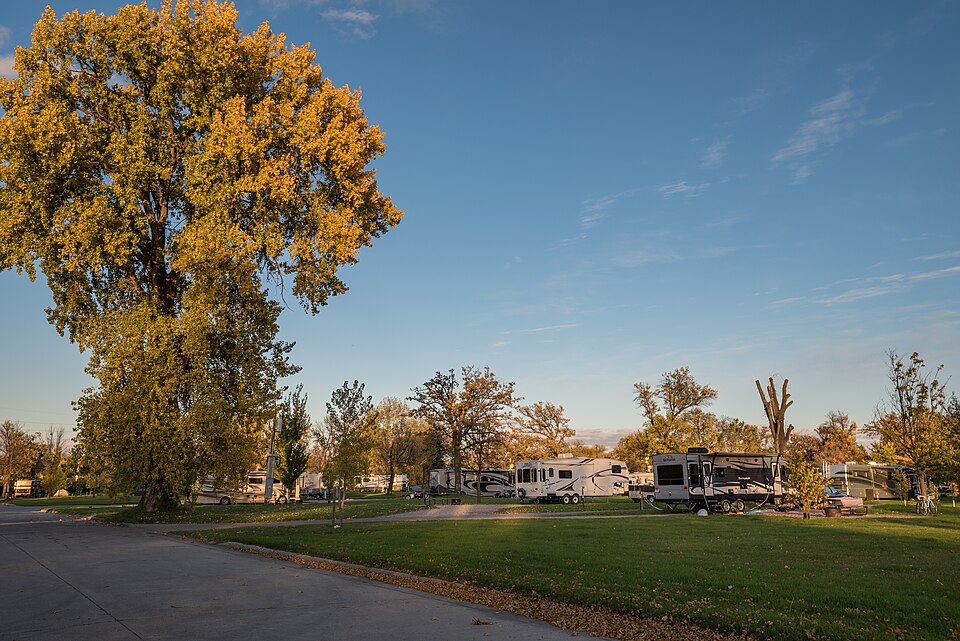
Lock in a stay for this season
Campsites near Chickasaw National Recreation Area on Campspot
Partner link · Campspot
Autumn Colors and Crisp Air
As the heat of summer fades in late September and October, Chickasaw transforms into a peaceful woodland retreat. The oak and hickory trees that dominate the landscape turn shades of amber, gold, and deep red, providing a stunning backdrop for photography and late-season camping. The humidity drops significantly, and the evenings become brisk, perfect for gathering around a campfire at one of the parkâs many developed campgrounds.
Fall is an excellent time for those who enjoy hiking and wildlife viewing without the summer crowds. You are more likely to spot white-tailed deer and wild turkeys along the trails as the park quiets down. Fishing remains productive at the lake, and the historic Platt Historic District feels particularly nostalgic in the soft autumn light. While the swimming season typically winds down by late September, the ability to hike comfortably for miles makes fall a favorite for serious outdoors enthusiasts. It is often the best time for a quiet weekend getaway to the gateway city of Sulphur to enjoy both the park and the local mineral spa traditions.
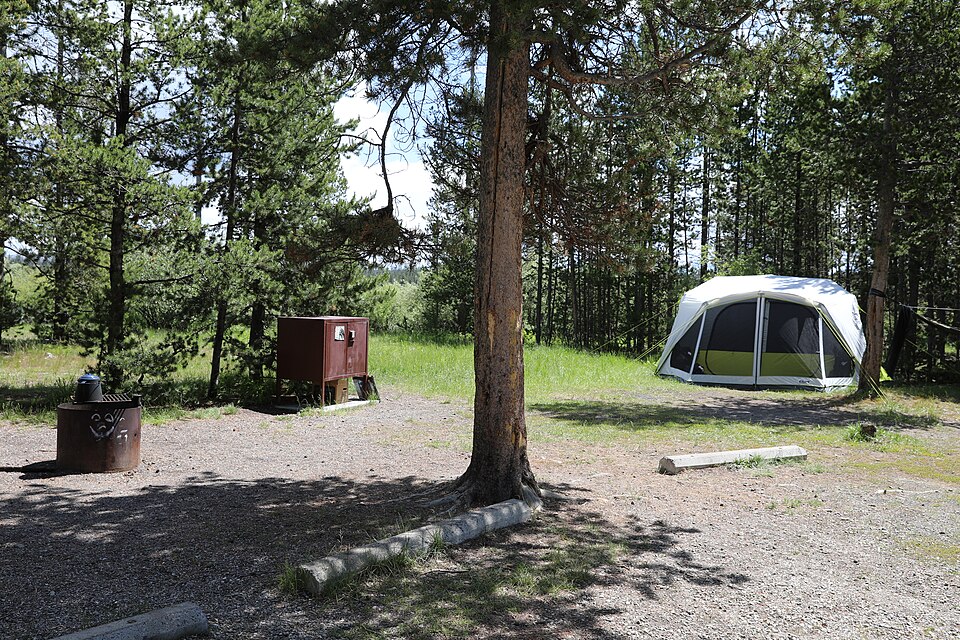
Lock in a stay for this season
Harvest Hosts stays on the way to Chickasaw National Recreation Area
Partner link · Harvest Hosts
Winter Quiet and Historic Solitude
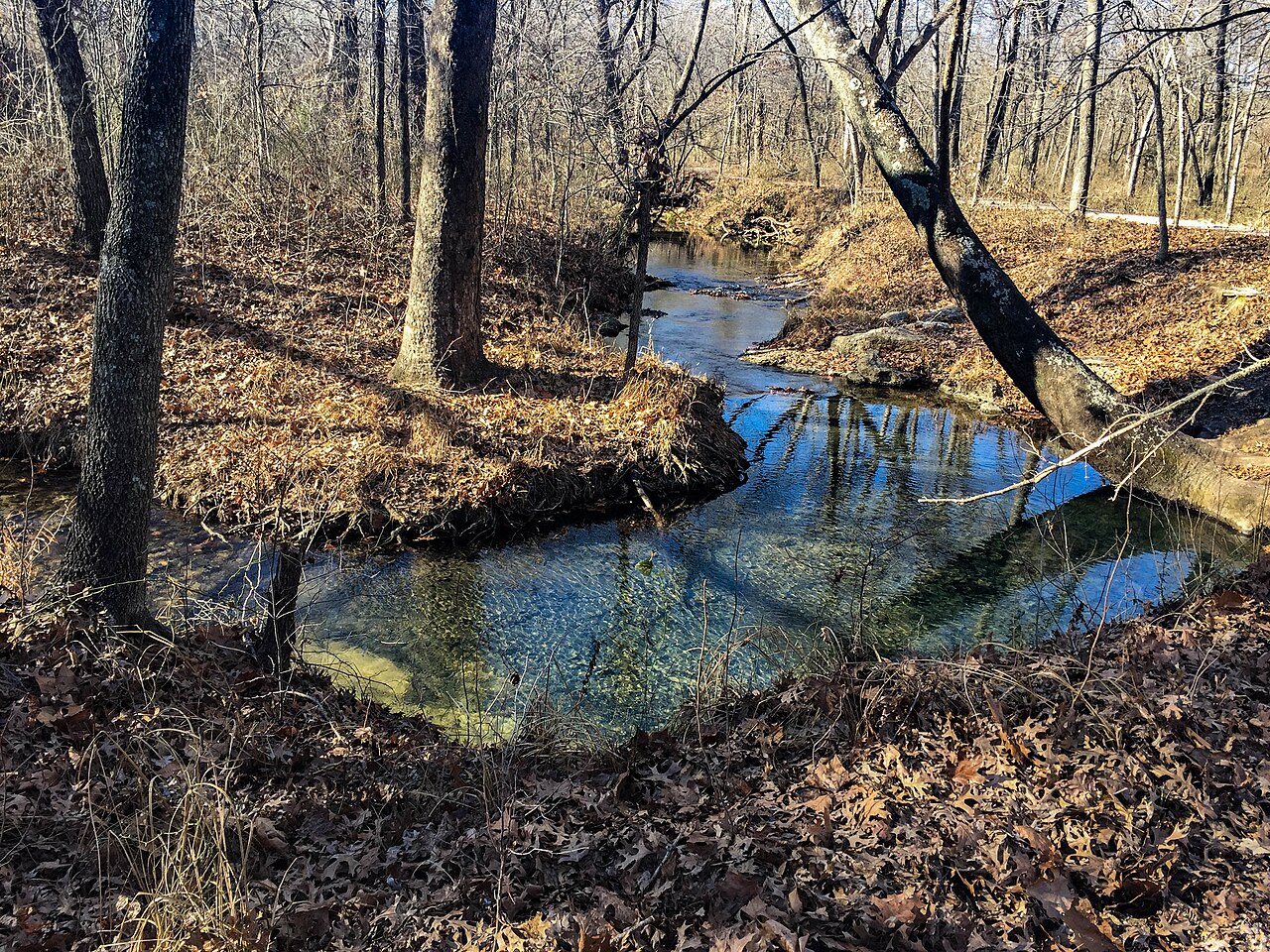
Winter at Chickasaw National Recreation Area offers a stark, quiet beauty that most visitors never see. From December through February, the park is very peaceful, with only a fraction of the summer visitation. While Oklahoma winters can be unpredictableâranging from mild sunny days in the 50s to biting cold snaps with snowâthe absence of foliage opens up long-distance views through the forest that are obscured during the summer. The mineral springs continue to flow, and the sulfurous scent of the Pavilion Springs is often more pronounced in the cold, damp air.
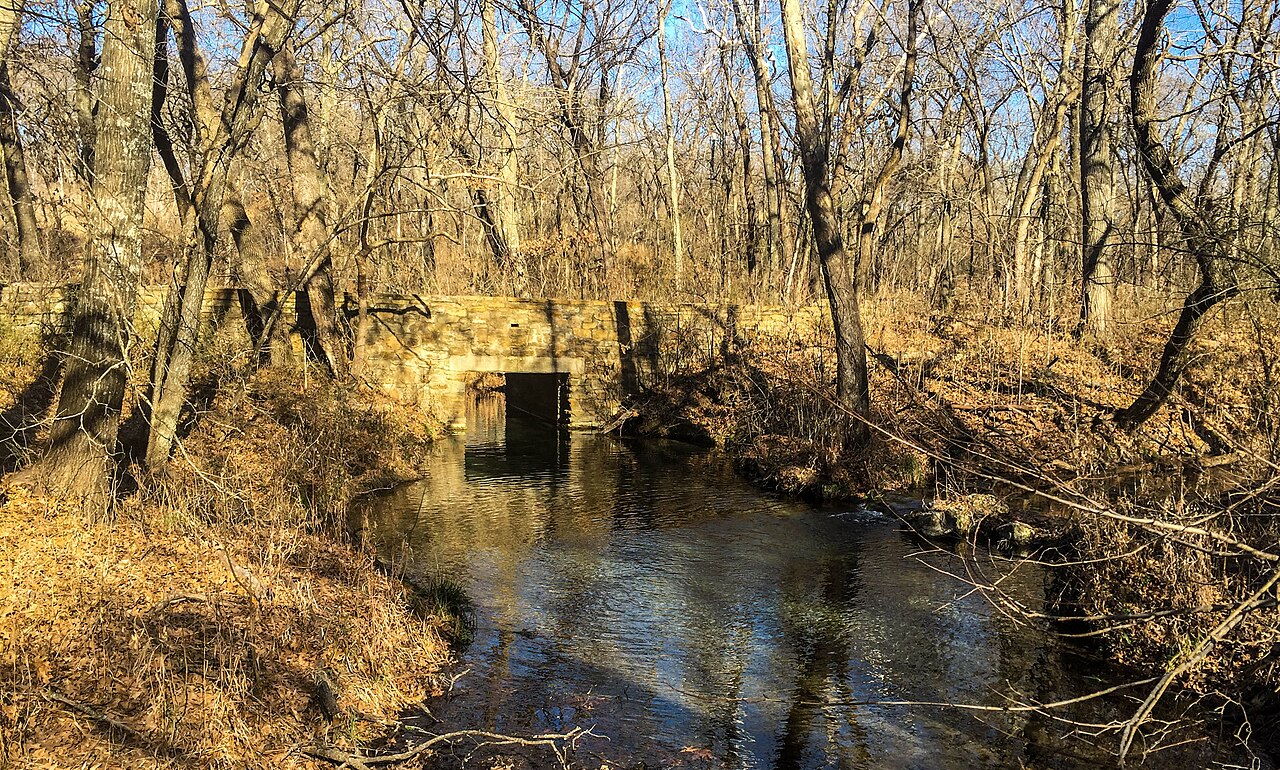
This is the best time for those seeking solitude and a deep connection with the park's history. You can explore the CCC-era stone structures and bridges without another soul in sight. Camping is still available, though many loops may close for the season, so checking the official park site for current availability is a must. Winter is also a great time to visit the nearby Chickasaw Cultural Center to learn about the heritage of the land while staying warm indoors between short hikes in the park.
Planning for Crowds and Reservations
Regardless of when you choose to visit, planning ahead is vital for a smooth experience at Chickasaw. During the peak summer season and holiday weekends like Memorial Day, the Fourth of July, and Labor Day, the park reaches capacity early. Camping reservations should be made months in advance through the official government booking portals, especially for sites with RV hookups or those near the water. If you are planning a visit during the spring or fall, you have more flexibility, but weekends can still be surprisingly busy with local travelers.
Estimated daily budgets for a trip here are moderate, often around $125 per day depending on your choice of accommodation and activities. Entry to the recreation area is generally free, though camping and boat launch fees apply. Always consult the official NPS website before heading out to check for any trail closures, fire bans, or changes in spring flow levels. By timing your visit to match your interestsâwhether that is the vibrant life of summer or the hushed trails of winterâyou ensure a memorable Oklahoma outdoor adventure.
More ways to book Chickasaw National Recreation Area
 Illustrative · Victoria Stauffenberg
Lake of the Arbuckles Boating
One of the classic ways to experience Chickasaw National Recreation Area.
Varies (estimate)
Partner link · Viator