
Deciding on the best time to visit Chicago often depends on your tolerance for the legendary 'Windy City' breezes and your love for outdoor festivities. While the city shines during the warm summer months, each season offers a distinct personality, from the blooming tulips of Michigan Avenue in spring to the cozy holiday markets that glow against the winter snow. Timing your arrival ensures you catch the city at its peak, whether you are here for the deep-blue lake views or the world-class museum scene.
Summer: The Peak Season Experience
Summer is widely considered the best time to visit Chicago because the city truly comes alive under the warm sun. From June through August, temperatures typically hover in the 70s and 80s, creating the perfect environment for exploring the Lakefront Trail or lounging at North Avenue Beach. This is the season of street festivals, outdoor concerts at Millennium Park, and fireworks over the lake.
Because this is the peak travel window, you should expect the largest crowds and the highest demand for accommodations. The city's energy is infectious during these months, but it requires a bit of patience when navigating popular spots like Navy Pier. If you plan to take an architecture river cruise, booking your tickets a few days in advance is highly recommended to secure a sunset slot. The humidity can occasionally spike, but the cool breeze coming off Lake Michigan provides a refreshing natural air conditioning that keeps the downtown area comfortable even on the hottest July afternoons.
Shoulder Seasons: Spring and Autumn
For travelers looking to avoid the summer humidity and the heavy mid-year crowds, the shoulder seasons of May and September through October are fantastic alternatives. Spring in Chicago is a time of rebirth, where millions of tulips line the Magnificent Mile and the city parks turn a vibrant green. While May can still have a lingering chill, the crisp air is ideal for long walking tours.
Autumn is arguably the most beautiful time to see the city's architecture framed by changing leaves. The weather in late September and October is generally stable, with cool mornings and mild, sunny afternoons. This is a prime time for foodies to visit, as the fall harvest brings seasonal menus to the city's renowned dining scene. Additionally, lodging rates often see a slight dip compared to the July peak, making it a budget-friendly window for families. Just be sure to pack layers, as the proximity to the lake means temperatures can drop quickly once the sun goes down.
Winter: A Cozy Urban Wonderland
Winter in Chicago is not for the faint of heart, as temperatures frequently drop below freezing and the wind-chill off the lake can be biting. However, visiting between late November and January offers a magical atmosphere that you won't find during the warmer months. The city transforms into a holiday wonderland, complete with the Christkindlmarket in Daley Plaza and ice skating ribbons that wind through downtown parks.
If you don't mind the cold, this is the best time to visit Chicago for indoor attractions. The Art Institute, the Field Museum, and the Shedd Aquarium are much quieter, allowing you to explore the exhibits without the typical summer rush. You will also find the most competitive pricing on luxury hotels during the winter months. Just keep an eye on the weather forecast for potential lake-effect snow, which can impact travel plans. If you stay central, the cityâs underground pedestrian system, known as the Pedway, offers a warm way to navigate several blocks of the downtown core without stepping outside into the snow.
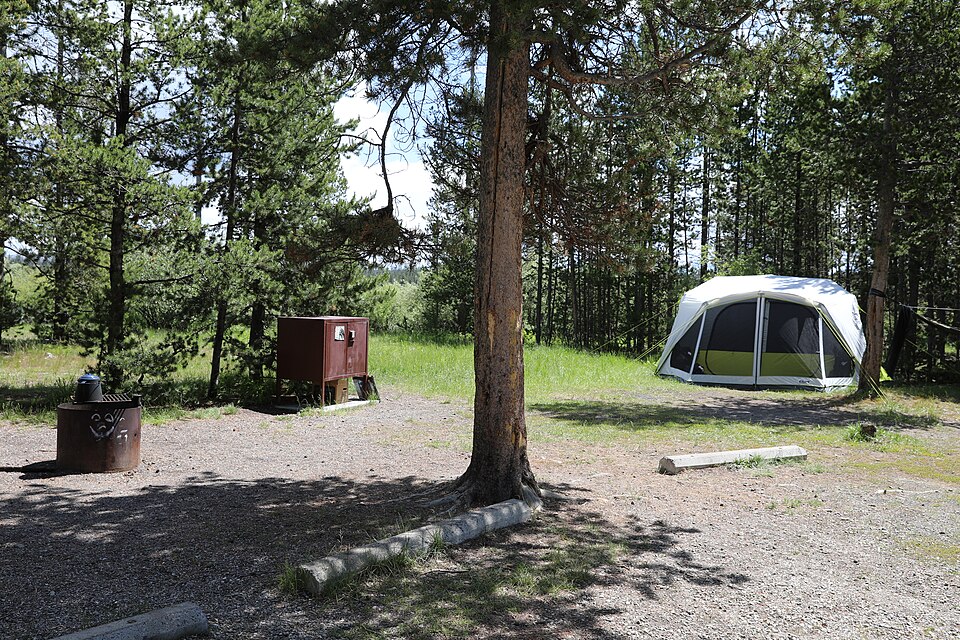
Lock in a stay for this season
Harvest Hosts stays on the way to Chicago
Partner link · Harvest Hosts
Navigating Crowds and Events
When planning your trip, it is vital to check the local event calendar. Chicago hosts massive annual events like Lollapalooza in August and the Chicago Marathon in October, which draw hundreds of thousands of visitors. During these specific weekends, hotel availability vanishes quickly and prices for even basic stays can double. If your goal is a quiet weekend, aim for the mid-week windows in late spring or early autumn.
Reservations for popular dining spots and top-tier attractions should be made at least two to four weeks in advance if you are visiting during a holiday weekend. Even during the quieter months, Friday and Saturday nights at the cityâs famous jazz and blues clubs fill up early. By timing your visit to avoid major conventions at McCormick Place, you can enjoy a more relaxed pace and easier access to the cityâs best sights. Always check the official NPS or city tourism sites for specific festival dates that might impact street closures and public transit schedules during your stay.
Weather Preparation and Packing Tips
Chicago's weather is famously unpredictable, often changing significantly within a single day. Regardless of when you visit, the 'lake effect' means that areas closer to the water will be several degrees cooler than the inland neighborhoods. In the spring and fall, a versatile windbreaker or a medium-weight jacket is essential for staying comfortable during boat tours or walks along the shoreline.
During the summer, lightweight and breathable fabrics are best, but you should still carry a light sweater for air-conditioned indoor spaces and evening breezes. Winter visitors need heavy insulation, including a down parka, thermal layers, gloves, and a scarf to protect against the wind. Waterproof boots are also a must if you plan to walk through slushy city streets after a snowfall. By preparing for the variable climate, you can focus on the incredible views and vibrant culture rather than the temperature. Always keep a compact umbrella or a light raincoat in your day pack, as sudden lake-front showers are common throughout the spring and summer seasons.
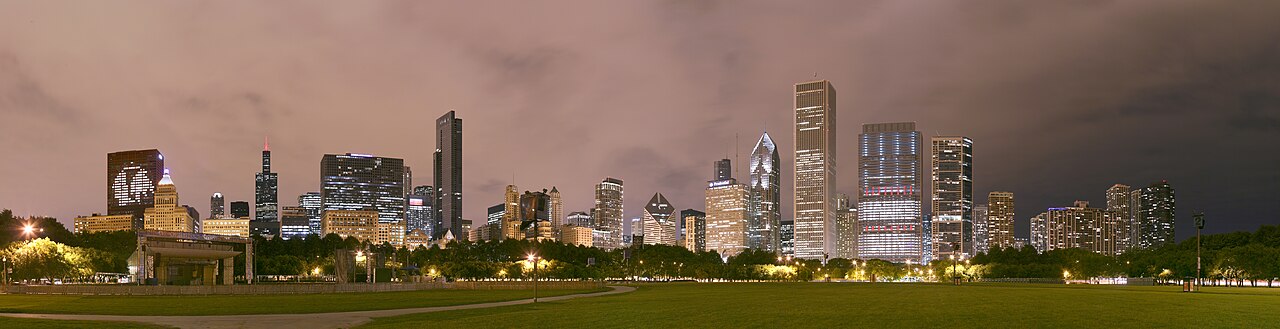
More ways to book Chicago
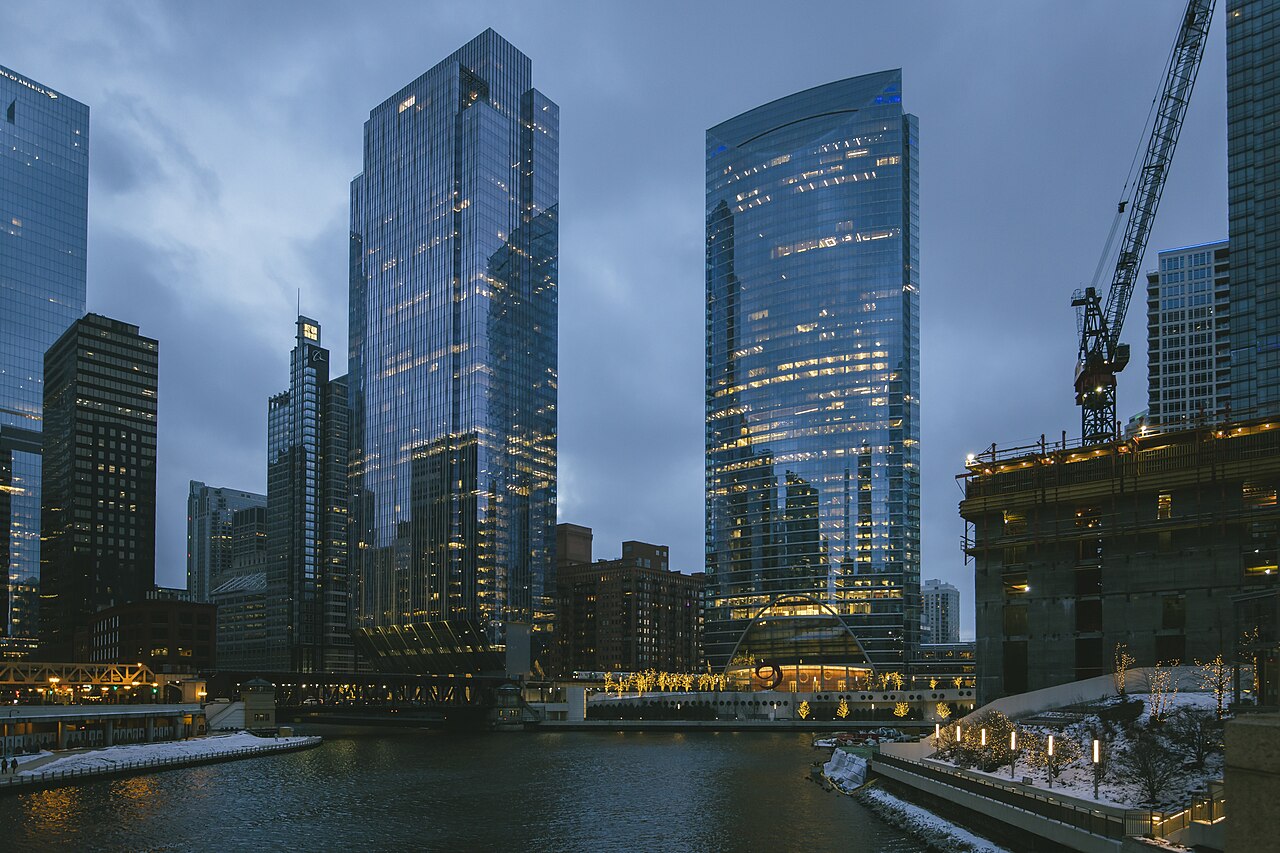 Illustrative · Matthew T Rader
Millennium Park Exploration
One of the classic ways to experience Chicago.
Varies (estimate)
Partner link · Viator