
Cheaha Mountain is more than just a high point; it is a hub for outdoor adventure and historical exploration in the Heart of Dixie. Whether you are a seasoned backpacker looking to conquer miles of rugged terrain or a family seeking a scenic picnic spot, the mountain provides a diverse range of activities. From its historic stone architecture built by the CCC to the expansive wilderness areas that surround it, there is no shortage of ways to immerse yourself in the natural beauty of the Talladega National Forest.
Conquer the Pinhoti Trail and Local Hikes
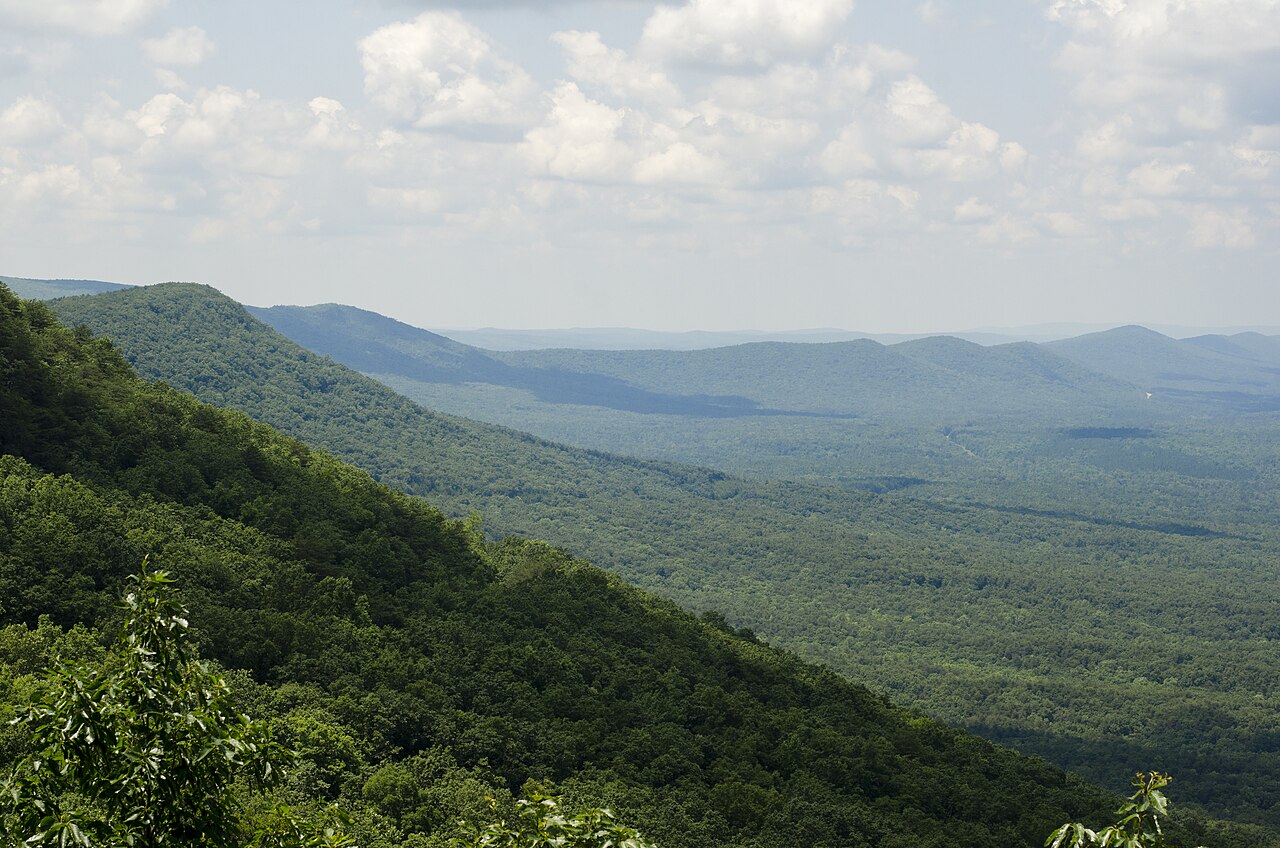
Hiking is undoubtedly the primary draw for visitors to Cheaha. The Pinhoti Trail, a long-distance path that eventually connects to the Appalachian Trail, passes directly through the area, offering rugged terrain and stunning vistas. For a shorter but rewarding trek, the McDill-Hernandez Trail leads hikers to an old plane wreckage site and provides some of the most expansive views of the valley below. The terrain here is rocky and can be steep, so sturdy footwear is a must for anyone hitting the trails.
For those looking for something less strenuous, the Mountain Laurel Trail is a relatively easy walk that is particularly beautiful when the flowers are in bloom during the spring. Families often enjoy the walk to Pulpit Rock, which offers a dramatic ledge perfect for photos, though it requires careful footwork. Always carry a map and plenty of water, as the weather can change quickly at high elevations and the rocky paths can be more taxing than they appear on a map.
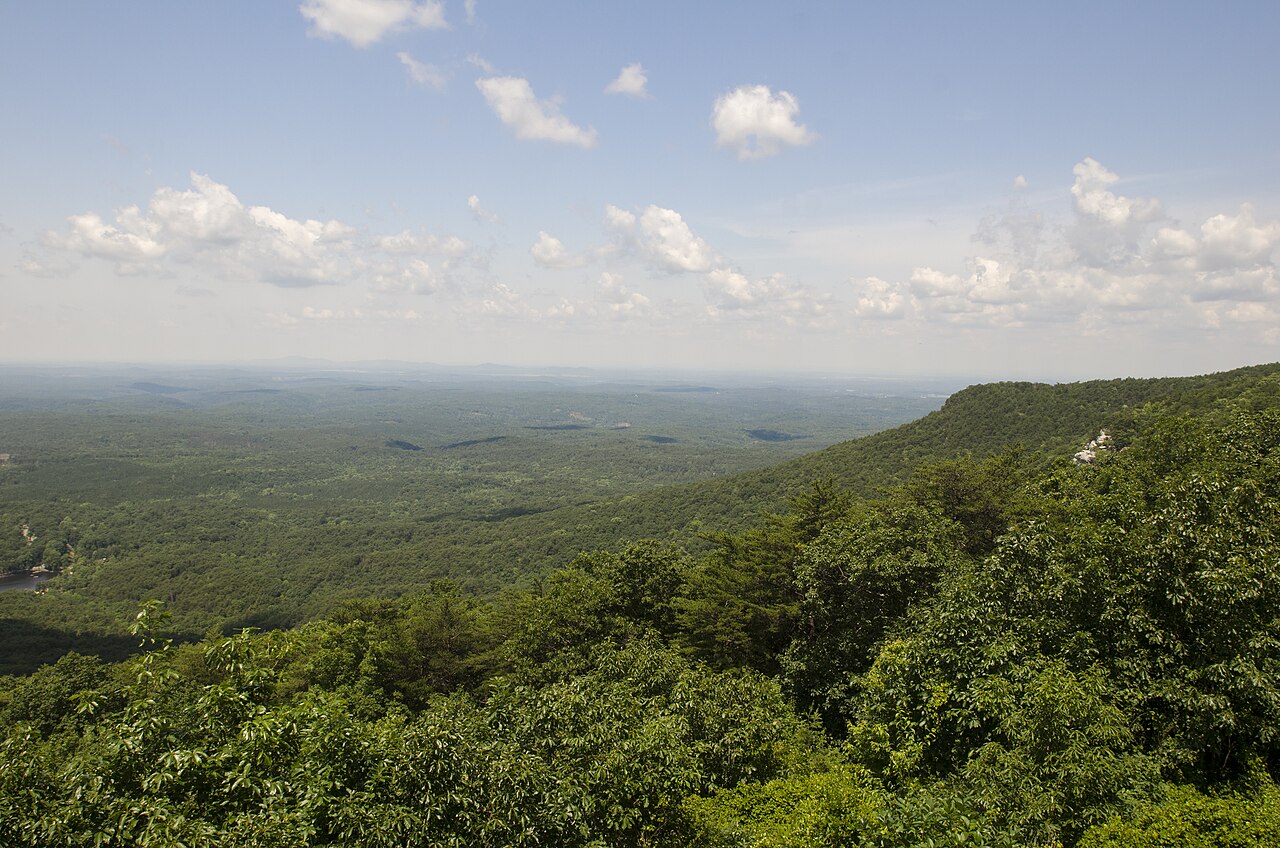
Panoramic Views from Bunker Tower
A visit to the summit is incomplete without climbing the Bunker Tower. This historic stone structure, built by the Civilian Conservation Corps (CCC) in the 1930s, marks the highest point in the state at 2,407 feet above sea level. Inside, you will find a small museum detailing the history of the park and the men who built it. The climb to the top of the tower rewards you with 360-degree views that, on a clear day, stretch for miles across the Talladega National Forest and beyond.
Near the tower, you can also explore the various stone cabins and pavilions that reflect the craftsmanship of the CCC era. These structures are integrated seamlessly into the landscape, using local stone and timber. It is a fantastic spot for history buffs to learn about Alabamaâs conservation history while enjoying the cool mountain air. The area around the tower is also accessible by car, making it a great option for those who want the views without the long hike.
Water Activities and Scenic Picnics
While Cheaha is known for its heights, the park also features a serene six-acre lake located at the base of the mountain. Cheaha Lake is a popular spot for swimming, fishing, and paddling during the warmer months. There is a small beach area where children can play, and the surrounding trees provide plenty of shade for a relaxing afternoon. Fishing for bass and bluegill is a common pastime here, though you should check the official park site for current permit requirements and regulations.
Picnicking is another staple activity, with numerous designated areas equipped with tables and grills. Many visitors choose to eat near the observation decks to enjoy the view, while others prefer the quieter spots deep in the woods. The combination of water and forest makes for a balanced day of activity, allowing you to cool off in the lake after a morning spent hiking the sun-exposed ridges above. It is a perfect way to experience the different ecosystems the mountain has to offer.
Wildlife Watching and Photography
The biodiversity of the Talladega National Forest makes Cheaha Mountain a prime location for wildlife photography and birdwatching. As you traverse the trails, keep an eye out for white-tailed deer, wild turkeys, and the occasional black bear, though they are elusive. The rocky outcroppings are also home to various reptiles, including the rare green salamander. Birders often flock here to see raptors, such as red-tailed hawks and vultures, catching thermals along the ridgeline.
For photographers, the golden hours of sunrise and sunset offer spectacular lighting on the granite faces of the mountain. The Rock Garden area is particularly photogenic, with its jagged stone formations and stunted, wind-swept trees. Whether you are using a professional camera or just your smartphone, the dramatic elevation changes and the interplay of light and shadow in the deep coves provide endless opportunities for capturing the rugged beauty of the Appalachian foothills. Remember to stay on marked trails to protect the fragile mountain flora while you search for the perfect shot.
Family-Friendly Fun and Rainy Day Options
If you are visiting with children, the park offers a variety of educational and low-impact activities. The Walter Farr Heritage Center provides interactive exhibits about the local flora, fauna, and geology, making it an excellent rainy-day destination. Kids can learn about the different types of rocks found on the mountain and the animals that call the forest home. There is also a playground area near the picnic sites where younger children can burn off energy in a safe environment.
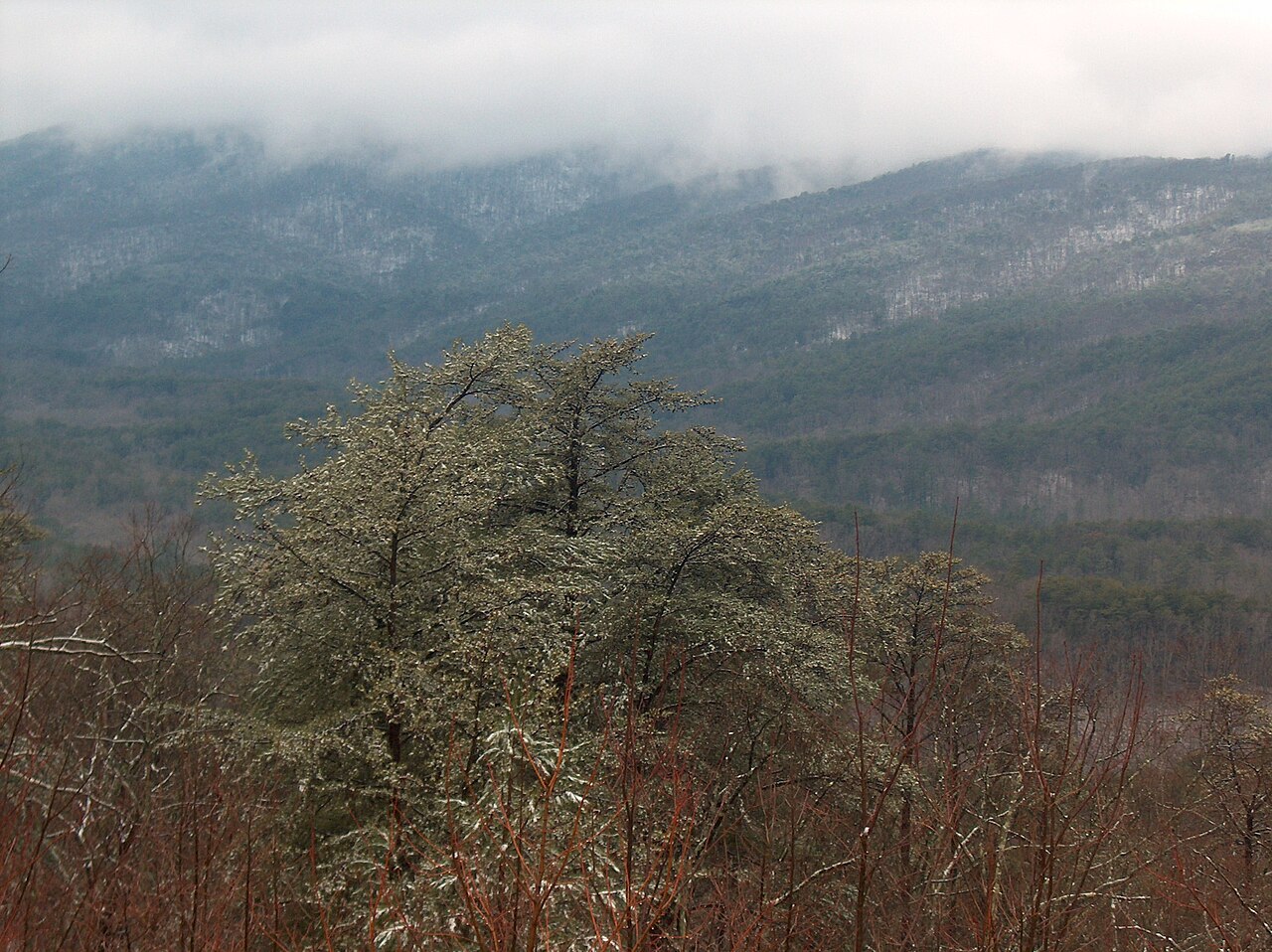
Even on misty or rainy days, the mountain has a mysterious charm. The clouds often settle into the valleys, creating a 'sea of clouds' effect that is visible from the higher overlooks. Exploring the historic lodge and dining at the on-site restaurant are great ways to wait out a passing storm while still enjoying the panoramic views through large floor-to-ceiling windows. Always check the official park calendar for special programs, as rangers often lead guided nature walks or educational talks that are perfect for visitors of all ages.