
Chattahoochee National Forest glamping usually means staying at private lodging near the forest rather than expecting a furnished tent at a Forest Service campground. Depending on the property, the experience may resemble a canvas tent with a real bed, a small cabin, or a more elaborate mountain retreat. The key is choosing a location close to your planned hikes and checking exactly which comforts, utilities, and road access are included before booking.
What Glamping Looks Like Near the Forest
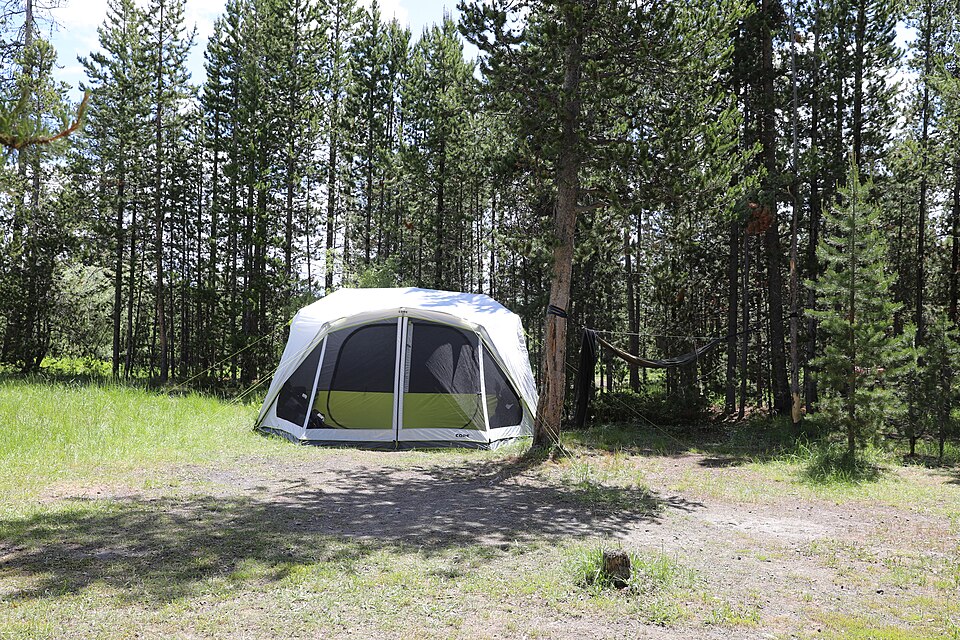
Glamping is a broad lodging label, not a standardized set of amenities. Around the north Georgia mountains, search results may include furnished tents, yurts, tiny cabins, and conventional cabins marketed around outdoor living. Treat photographs as a starting point, then read the actual accommodation description to understand what you are renting.
A bed does not necessarily mean a private bathroom, reliable heating, or a full kitchen. Ask whether toilets and showers are inside the unit, shared elsewhere, or unavailable on-site. Confirm bedding, cooking equipment, drinking water, electrical outlets, and temperature control. For a tent-based stay, ask how the property handles severe weather and what cancellation or relocation policies apply.
Forest Service campgrounds generally provide a camping setting rather than hotel-style service, and amenities vary by site. Private glamping properties nearby follow their own rules. Check official campground information if you are comparing the two, and avoid assuming that a private listing is located within the national forest.
Choose Helen, Blairsville, Blue Ridge, or Dahlonega
Choose your gateway area according to the experiences you want, not just the appeal of a lodging photograph. Helen and nearby Sautee Nacoochee make sense for trips centered on Anna Ruby Falls, Dukes Creek Falls, and the eastern mountain roads. Check the actual property location, since a listing described as near Helen may still involve a winding rural drive.
Blairsville is a useful search area for Vogel State Park, Blood Mountain outings, and access toward Brasstown Bald. Blue Ridge suits travelers interested in Lake Blue Ridge and the western portion of the forest. Dahlonega can work for southern mountain approaches and a trip that combines forest time with the town’s gold-mining history.
These areas are not interchangeable for a short stay. Map your lodging against two or three priority outings before booking. A single well-placed base usually provides more trail time than moving between widely separated rentals across the north Georgia mountains.
Match Your Accommodation to the Season
Spring and fall are appealing for outdoor-focused stays, but cool nights make heating and bedding important. A canvas unit that feels comfortable on a sunny afternoon may be quite different after sunset. Confirm whether the listed heat source is intended for overnight use and whether the host supplies adequate bedding for the season.
Summer brings lush scenery, humidity, insects, and thunderstorms. Ask about ventilation, screens, and air-conditioning if sleeping comfortably in warm weather matters to you. A covered porch can be useful during passing rain, but it is not a substitute for an appropriate shelter plan during severe weather.
In winter, prioritize dependable heat, straightforward vehicle access, and a clear policy for weather-related disruptions. Steep private driveways may be more challenging than the main road. For all seasons, check the property’s cancellation terms and official Forest Service alerts before travel, especially when your stay depends on reaching a particular trail or recreation area.
Where to sleep
Harvest Hosts stays on the way to Chattahoochee National Forest
Partner link · Harvest Hosts
Glamping Versus Tent Camping and RV Travel
Choose glamping when you want more comfort and less equipment setup, especially for a short trip or a mixed-experience group. It can make rainy evenings easier if the unit has an enclosed sitting area and cooking facilities. The trade-off is usually a higher rough lodging budget and less flexibility once you have committed to specific dates.
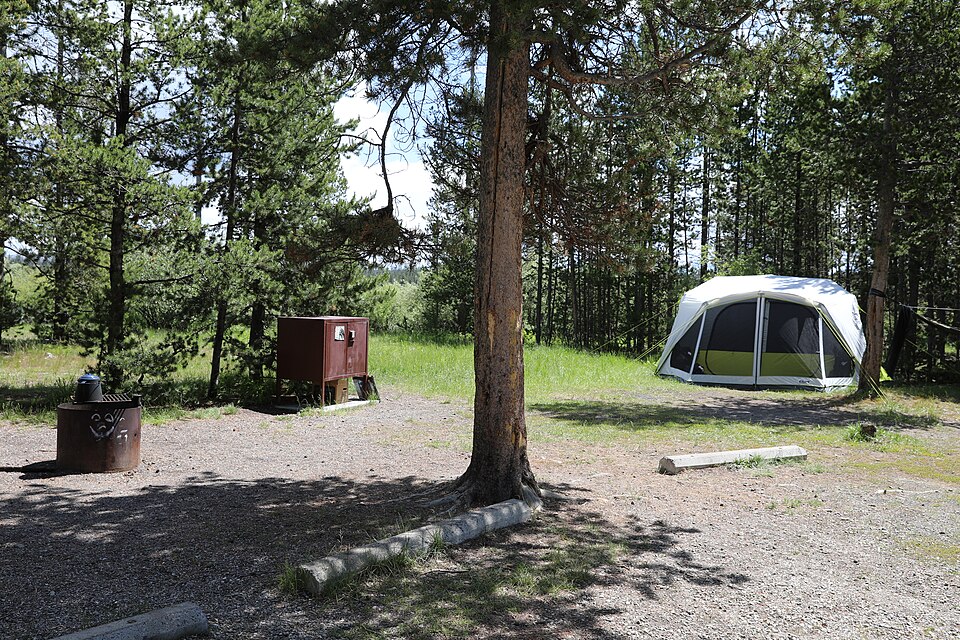
Tent camping offers a more direct outdoor experience and is often less expensive if you already own suitable gear. Developed Forest Service campgrounds vary in water, toilets, and reservation arrangements, so compare individual sites rather than assuming uniform facilities. Food storage and campsite rules still require attention.
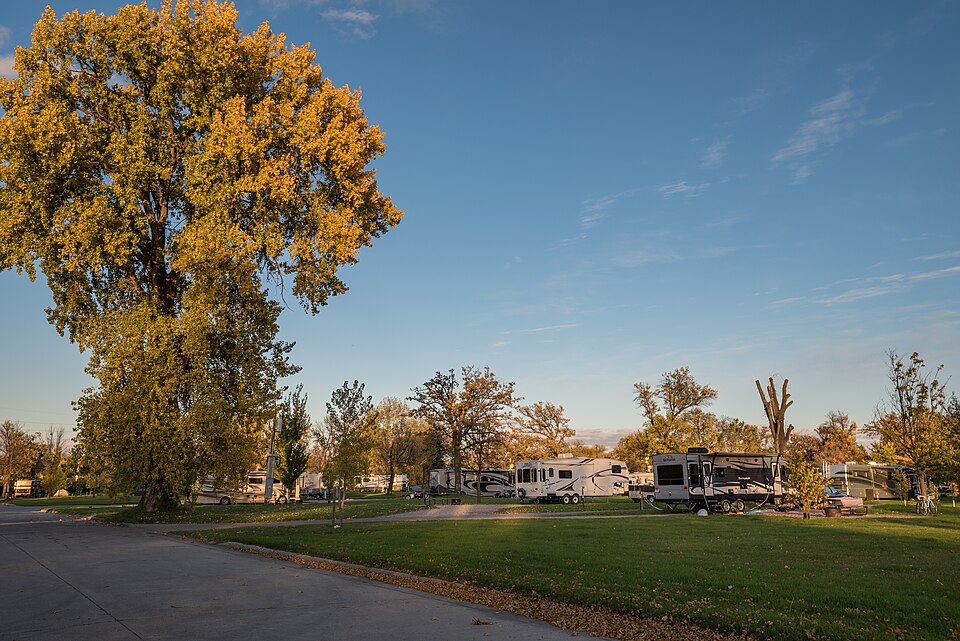
RV travel brings your sleeping and cooking setup with you, but mountain roads, campsite length limits, and utility needs become central planning issues. Do not assume a forest campground has hookups or a dump station. Check official site specifications, approach roads, and current reservations before choosing an RV over a nearby furnished stay.
What to Check Before You Book
Start with the full rough trip cost rather than the advertised nightly figure. Cleaning charges, minimum stays, pet rules, and cooking facilities can change how two properties compare. A rental with a kitchen may reduce restaurant spending, while a remote location can add fuel costs and extra driving for groceries.
Confirm the final approach road, parking arrangement, and whether your vehicle is suitable for the driveway. Ask about cell reception and internet if connectivity matters, but download maps regardless. Check fire-pit rules and current restrictions before planning meals around an outdoor fire. Never assume that provided firewood means a fire is currently allowed.
For families or pets, review stairs, loft access, unfenced water features, and trail restrictions relevant to your plans. Then verify recreation access independently on the official Chattahoochee-Oconee National Forests website, including current conditions and campground reservations if needed. A comfortable stay works best when its location and amenities support the outings you actually intend to take.