
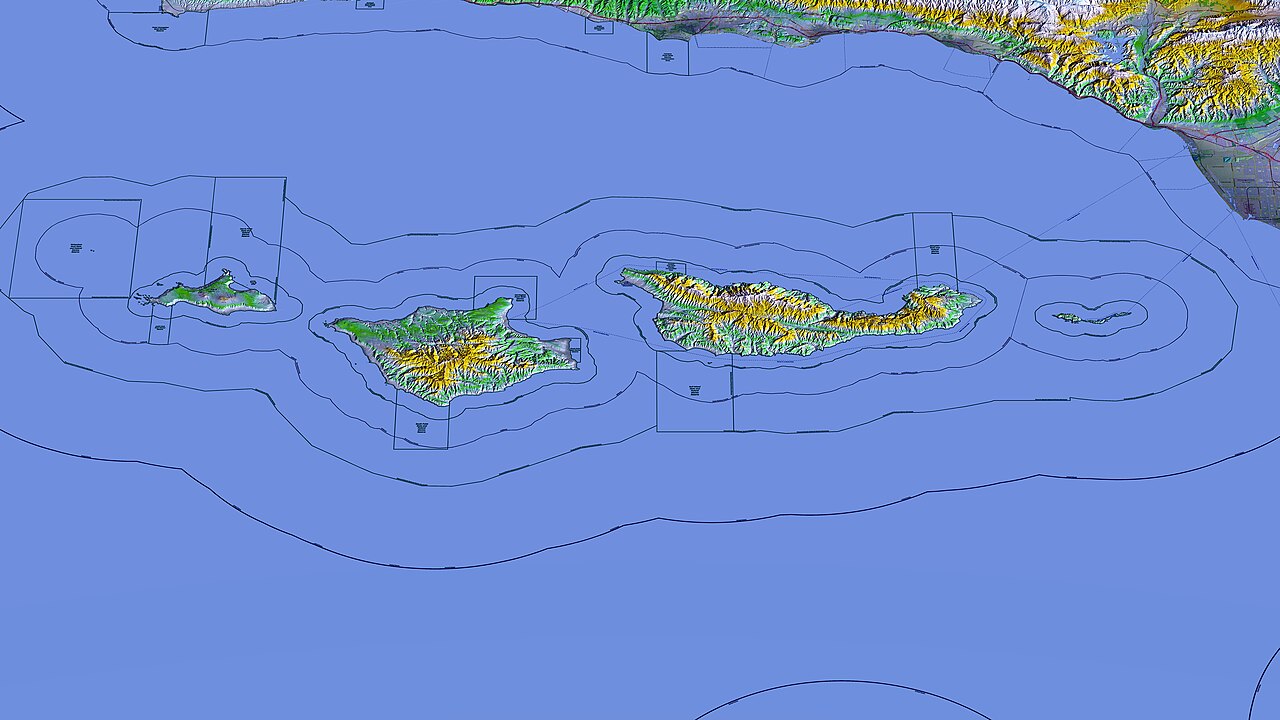
Often referred to as the 'Galapagos of North America,' Channel Islands National Park offers a raw, untouched wilderness experience just off the coast of Southern California. With five distinct islands to explore, the range of activities spans from world-class kayaking in volcanic sea caves to hiking across windswept plains home to rare endemic species. Whether you are a solo adventurer or a family looking for a unique coastal getaway, these islands provide a profound sense of isolation and natural beauty.
Sea Cave Kayaking at Santa Cruz Island
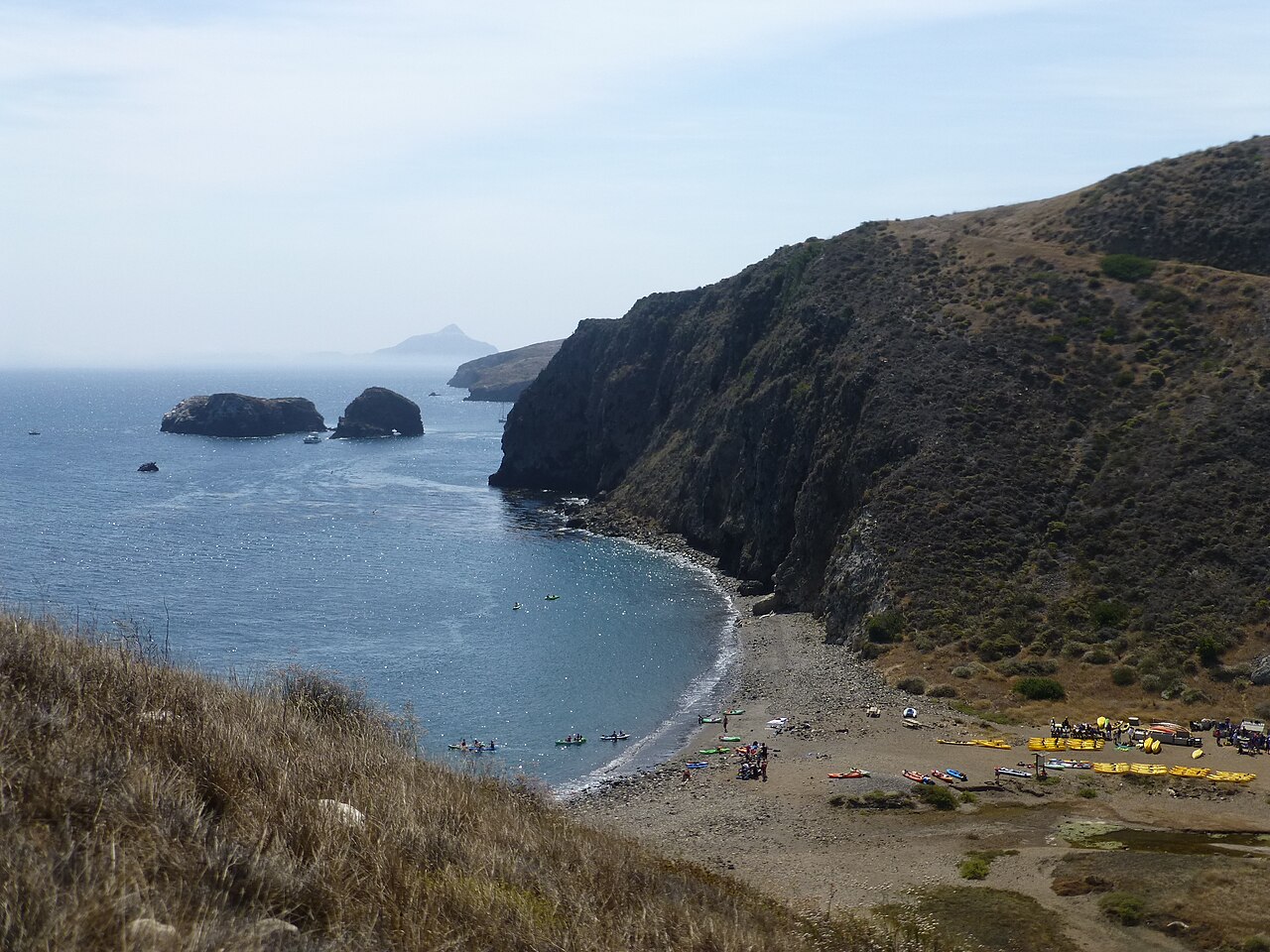
Kayaking is undoubtedly one of the premier things to do in Channel Islands. The coastline of Santa Cruz Island, particularly around Scorpion Anchorage, is riddled with spectacular sea caves carved by the relentless Pacific waves. Paddlers can navigate through narrow openings into massive, echoing chambers like Painted Cave, one of the largest sea caves in the world. The walls inside these caves are often vibrant with colorful minerals and algae, creating a surreal environment that feels worlds away from the mainland.
Guided tours are highly recommended for those unfamiliar with the tides and currents, as the ocean can change rapidly. You will paddle through dense kelp forests where harbor seals often pop their heads up to investigate. For the more experienced, bringing your own kayak on the ferry (for an extra fee) allows for deeper exploration of the rugged cliffs. Regardless of your skill level, seeing the islands from the water level provides a perspective on the volcanic geology that you simply cannot get from the hiking trails.
Hiking and Scenic Vistas
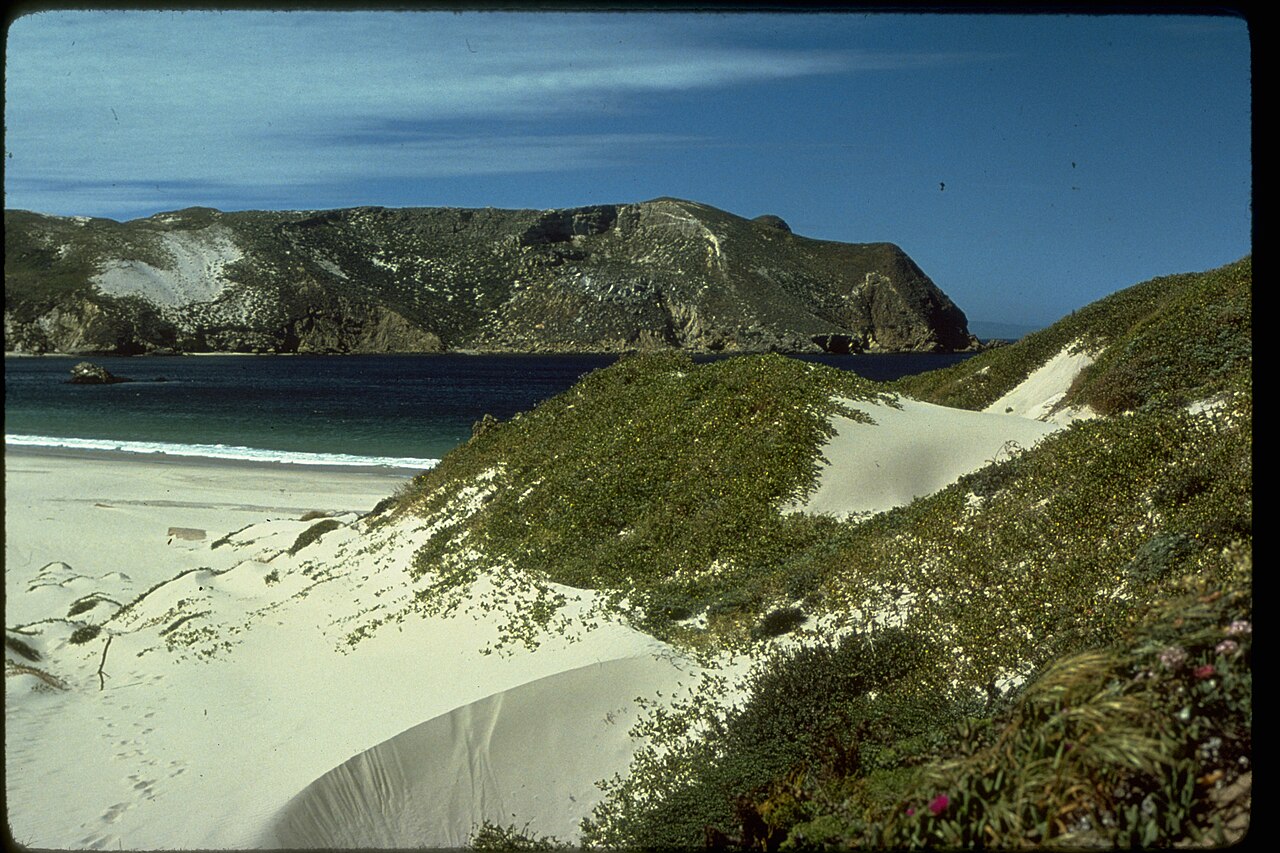
Each island offers a unique hiking profile, ranging from the flat, accessible paths of Anacapa to the rugged, mountainous terrain of Santa Cruz and Santa Rosa. On Anacapa Island, a short but steep climb up the stairs from the landing leads to a loop trail featuring Inspiration Point. This iconic overlook offers a breathtaking view of the island chain stretching into the horizon, especially at sunset. The Lack of trees means panoramic ocean views are constant, though you must be prepared for the sun and wind.
On Santa Cruz, the hike to Cavern Point and Potato Harbor provides stunning cliffside views and opportunities to spot the Island Fox, a house-cat-sized predator found nowhere else on Earth. For those seeking a challenge, the traverse across Santa Rosa Island to Lobo Canyon reveals sandstone formations and rare Torrey pine groves. Because there is no transportation on the islands, your feet are your primary way to see the sights. Always carry plenty of water, as there are no potable sources available on most of the islands.
Snorkeling and Diving the Kelp Forests
The waters surrounding the islands are protected as a National Marine Sanctuary, housing some of the healthiest giant kelp forests in the world. Snorkeling at Landing Cove on Anacapa or Scorpion Beach on Santa Cruz is like swimming through an underwater cathedral. The towering kelp stalks reach from the seafloor to the surface, swaying with the surge and providing habitat for bright orange Garibaldi, spiny lobsters, and schools of shimmering baitfish. The water is clear, cool, and teeming with life.
For scuba divers, the outer islands like San Miguel offer even more dramatic underwater topography and the chance to see larger marine life. However, even a simple snorkel setup at the beach can yield incredible sightings. You should wear a 5mm or 7mm wetsuit year-round, as the California Current keeps these waters chilly even in mid-summer. Equipment can be rented in Ventura or Oxnard before you board the ferry, as there are no rental facilities on the islands themselves. This immersion in the Pacific is a must for any visitor.
Wildlife Spotting and Birdwatching
Wildlife enthusiasts will find the islands to be a paradise of rare and endemic species. The Island Fox is the star of the show; these docile creatures are often seen near the campgrounds on Santa Cruz and Santa Rosa. Because they have no natural predators on the islands, they are relatively unafraid of humans, though visitors must be careful to secure their food in fox-proof boxes. Birdwatchers should look for the Island Scrub-Jay, a deep blue bird found only on Santa Cruz Island.
The cliffs are also home to massive colonies of seabirds, including Western Gulls, Cassinâs Auklets, and the endangered California Brown Pelican. During the boat crossing, keep your binoculars ready for common dolphins, Pacific white-sided dolphins, and several species of whales. Point Bennett on San Miguel Island is home to one of the largest concentrations of seals and sea lions in the world, where up to 30,000 animals can be found hauled out on the sands during peak seasons. It is a wildlife spectacle that rivals any in the world.
Family Activities and Rainy Day Tips
Visiting the islands with kids is a great way to introduce them to the concepts of conservation and ecology. The Junior Ranger program is active here, and the boat ride itself is often the highlight for younger travelers. Exploring the tide pools at low tide is a safe and engaging way for children to see sea stars, anemones, and crabs. While the islands have very little shelter, the Robert J. Lagomarsino Visitor Center in Ventura is an excellent 'rainy day' alternative. It features a large indoor exhibit area, a tide pool tank, and a high-definition film about the park.
If you are caught in the rain on the islands, be aware that trails can become extremely muddy and slippery, especially the steep paths on Anacapa. Most visitors opt to stay near the landing areas or small visitor kiosks where there is minimal overhead cover. However, rainy days often bring out the most dramatic lighting for photography and a unique sense of solitude. As always, check the official NPS website before heading out to ensure that weather conditions haven't suspended ferry operations for the day.