
Canaan Valley is a rare high-elevation plateau in the Allegheny Mountains that offers a distinct four-season experience unlike anywhere else in the Mid-Atlantic. At over 3,000 feet, the climate here mimics parts of Canada, providing a refreshing escape from summer heat and a reliable sanctuary for winter sports enthusiasts. Whether you are seeking the vibrant rhododendron blooms of early summer or the quiet hush of a snow-covered balsam fir forest, timing your trip is essential for capturing the valley's unique ecological spirit.
Summer: Cool Breezes and Highland Blooms
Summer, particularly from June through August, is arguably the most popular time for hikers and nature photographers to explore the valley. While the surrounding lowlands of West Virginia may swelter in high humidity, the valley stays remarkably temperate, with daytime highs often resting in the 70s. This is the peak season for exploring the unique wetlands and spotting rare plants that thrive in the cooler air. June brings the spectacular blooming of wild azaleas and rhododendrons, painting the trails in shades of pink and white.
Visitors should prepare for sudden afternoon thunderstorms, which are common in the high country. Because this is a premier time for family vacations, it is wise to secure lodging months in advance, especially for holiday weekends like the Fourth of July. The lush greenery and active wildlife, including white-tailed deer and various migratory birds, make this the ideal window for those who want to spend every daylight hour outdoors without the fatigue of extreme heat.
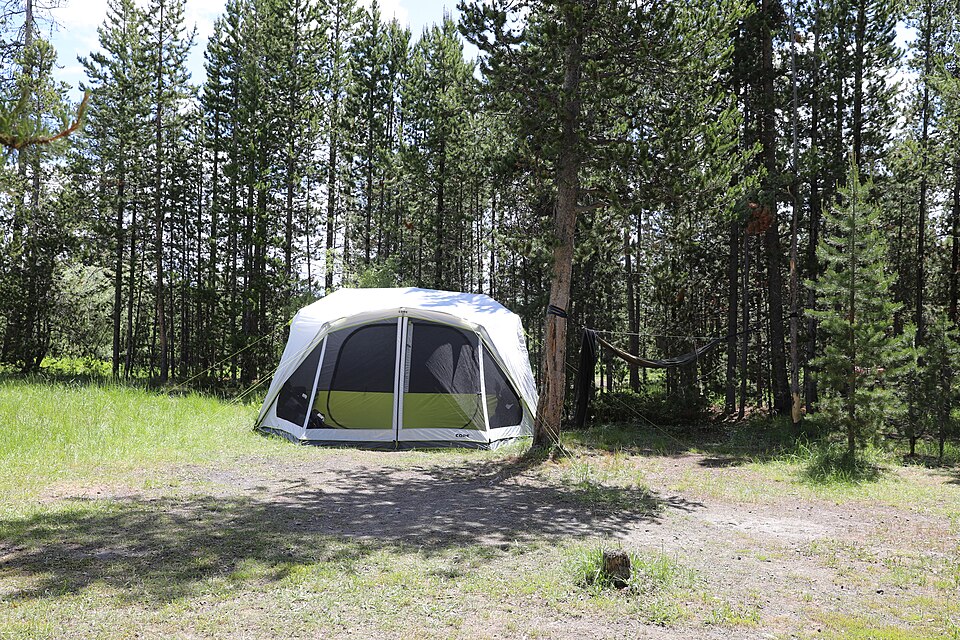
Fall: A Tapestry of Crimson and Gold
Autumn in Canaan Valley is brief but breathtaking, typically peaking in late September to early Octoberâsignificantly earlier than the rest of the state due to the high elevation. The maples, beeches, and cherries transform the valley floor and surrounding ridges into a vibrant mosaic of reds and oranges. The crisp morning air and clear blue skies provide the best visibility for scenic overlooks like those found at nearby Blackwater Falls State Park.
This season attracts photographers and leaf-peepers from across the region, so weekends can feel quite busy in the gateway towns of Davis and Thomas. If you plan to visit during the peak foliage window, be aware that nights can drop below freezing, and the wind on the ridges can be biting. It is a fantastic time for mountain biking and long-distance trekking before the first dustings of snow begin to settle on the peaks. Always check local foliage reports as the timing of the peak can shift by a week depending on the year's rainfall.
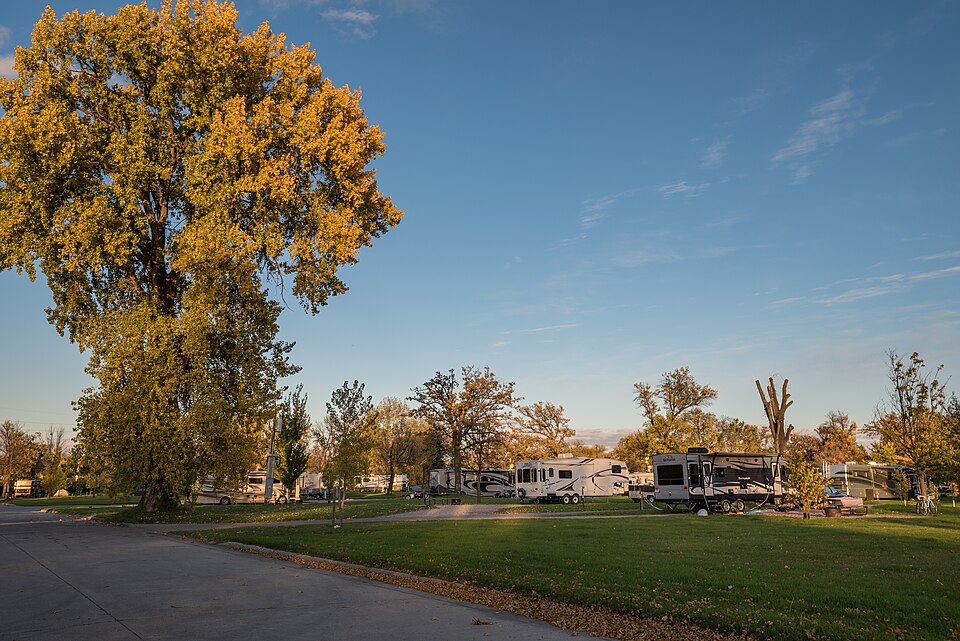
Winter: The Snow Sports Capital of the Highlands
From December through February, Canaan Valley transforms into a winter wonderland, boasting some of the best skiing and snowboarding conditions in the Southeast. The valleyâs unique geography creates a microclimate that catches significant natural snowfall, supplemented by extensive snowmaking capabilities at the local resorts. This is the time for downhill enthusiasts to hit the slopes, while others enjoy the tranquil beauty of cross-country skiing or snowshoeing through the silent, snow-draped evergreens of the National Wildlife Refuge.
Winter visits require careful planning regarding transportation; four-wheel drive is highly recommended as mountain passes can become treacherous quickly during a storm. While the valley is active with skiers, the atmosphere remains cozy and community-focused. Reservations for ski-in rentals and resort lodge rooms are critical, particularly for the Christmas and Presidents' Day holiday blocks. If you enjoy the quietude of a frozen landscape and the thrill of fresh powder, winter is undoubtedly the best time for your adventure.
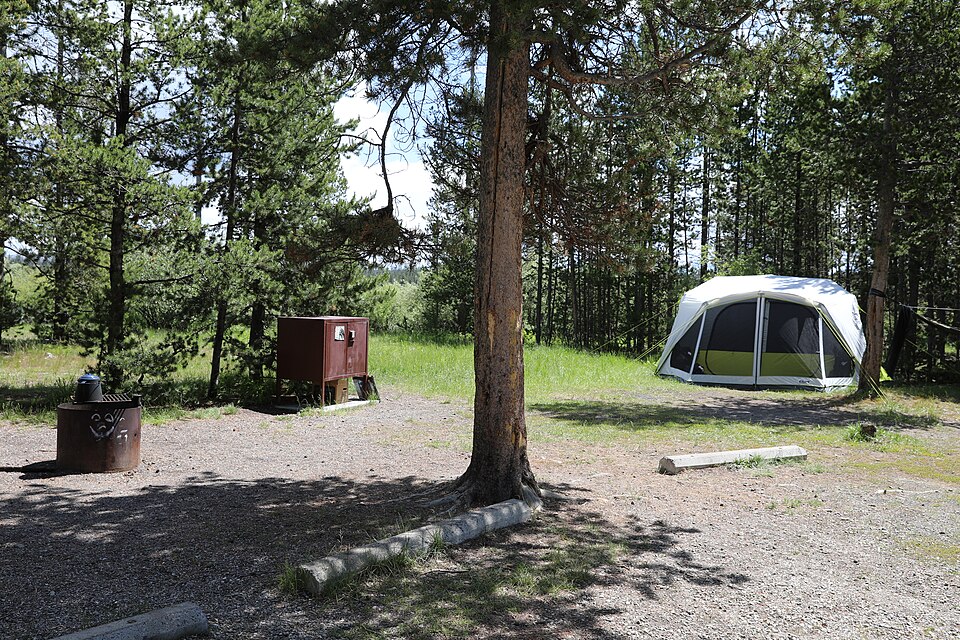
Lock in a stay for this season
Harvest Hosts stays on the way to Canaan Valley
Partner link · Harvest Hosts
Spring: The Awakening of the Wetlands
Spring is the valley's quietest season, often referred to as 'mud season' by locals. As the snow melts in March and April, the valleyâs extensive wetlands and peat bogs swell, creating a vibrant but soggy environment. This is a time of transition where you might experience a snowstorm on Monday and sixty-degree sunshine by Wednesday. For the traveler who values solitude and lower costs, this is an excellent window to visit, as crowds are thin and lodging availability is high.
By May, the forest floor begins to wake up with ramps, wildflowers, and the return of songbirds. It is a prime season for birdwatching and observing the rebirth of the highland ecosystem. However, hikers should be prepared for very muddy trail conditions and should stick to boardwalks or well-maintained paths to protect the fragile soil. It is a moody, poetic time in the mountains that rewards those who don't mind a little rain and variable temperatures.
Understanding Crowds and Reservation Timing
Canaan Valley serves as a major recreational hub for the Mid-Atlantic, meaning that weekend availability can disappear rapidly regardless of the season. To ensure the best experience, aim for mid-week stays when the trails are quieter and the local restaurants in Davis and Thomas have shorter wait times. For winter ski trips and peak summer hiking weeks, booking six months out is a standard practice for the most desirable cabin rentals and lodge rooms.
Always check the official National Park Service or West Virginia State Park websites before your arrival to check for any trail closures, prescribed burns, or special events that might impact your itinerary. The Highland region is remote, and while the gateway cities provide essential services, the infrastructure is built for a specific capacity. Planning ahead not only secures your spot but also helps preserve the tranquil, slow-paced atmosphere that makes this valley so special. Budget roughly for mountain-resort pricing, keeping in mind that peak season rates reflect the high demand for this unique alpine escape.
More ways to book Canaan Valley
 Illustrative · Antony-22
Timberline Mountain Skiing
One of the classic ways to experience Canaan Valley.
Varies (estimate)
Partner link · Viator