For most travelers, May through October offers the easiest window for exploring Bryce Canyon’s hoodoos, overlooks, and trails, though the park’s high elevation keeps weather changeable. Late spring and early fall balance hiking opportunities with cooler temperatures, while summer brings longer days and more visitors. Winter offers a different experience altogether: orange rock under snow, quieter viewpoints, and a greater need for flexible plans.
Spring: Snowmelt, Cool Days, and Changing Trail Conditions
Spring arrives gradually at Bryce Canyon, where much of the developed park sits around 8,000 feet or higher. March and April can still feel like winter, with snow, freezing nights, and icy stretches on shaded trails. May often brings more comfortable daytime hiking, but a warm afternoon does not mean every route below the rim is clear.
Choose spring if you can adjust your plans around conditions rather than count on a particular hike. Start with open overlooks and check trail reports before descending into the amphitheater. Pack warm layers and footwear suited to wet or slippery ground. Spring break and holiday weekends can be busy even when the weather remains unsettled.
Summer: Long Days and the Busiest Travel Period
June through August is a popular time for family trips, with long daylight hours and broad access to the park’s main sights. Bryce is generally cooler than Utah’s lower-elevation desert parks, but exposed trails can still feel hot in direct sun. Afternoon thunderstorms are another important consideration, especially during the summer monsoon period.
Begin longer hikes early, carry water, and avoid committing to exposed overlooks or trails when thunderstorms threaten. Seek substantial shelter if you hear thunder; an open overlook shelter is not a substitute. Expect crowded parking around the main amphitheater during peak periods. When operating, the park shuttle can simplify visits to several popular stops, though it does not serve every viewpoint.
Fall: Crisp Hiking Weather and Earlier Darkness
September often offers an appealing balance of cooler hiking weather and fewer families traveling after the school year begins. Busy weekends still happen, so do not assume the main overlooks will be empty. By October, nights become colder, daylight shortens, and early snow can affect trails or roads.
Fall works especially well for travelers who enjoy morning walks, scenic drives, and evenings under the stars. Bring insulated layers for sunrise and stargazing rather than packing only for the afternoon forecast. Start longer hikes with enough time to climb back to the rim before dark. As seasonal services wind down, confirm lodging availability, shuttle operations, and any dining arrangements before choosing your dates.
Winter: Snowy Hoodoos and More Limited Access
Winter can transform the amphitheater into a striking mix of white snow and orange stone. Visitor numbers are generally lower than in summer, but this is not an easy substitute for a warm-weather hiking trip. Snowstorms, freezing temperatures, and icy footing can change what is practical from one day to the next.
Some roads and trails may close temporarily or seasonally, and certain viewpoints require more effort to reach. Traction devices may be useful where walking is permitted, but they do not make a closed trail appropriate to enter. Build your visit around currently accessible overlooks and short outings. Check the official NPS site for road conditions, trail closures, and winter activity guidance before setting out.
When to Reserve and How to Manage Crowds
For late spring through early fall, start looking for lodging or campsites several months ahead, especially for weekends and holidays. Reservation windows differ by accommodation and campground, so verify the current rules rather than relying on a single booking timeline. In-park options are limited, and nearby Bryce Canyon City and Tropic provide additional places to stay.
To reduce time spent circling parking lots, visit the main amphitheater early or use the shuttle when available. Sunrise is popular too, so allow extra time at well-known overlooks. Keep one flexible block in your schedule for weather or a missed hike. Consult the official Bryce Canyon National Park website for current conditions, campground reservations, shuttle dates, and alerts.
Book it for Bryce Canyon National Park

Harvest Hosts stays on the way to Bryce Canyon National Park
Membership for overnight RV stays at farms, wineries and other unique spots along your route.
Partner link · Harvest Hosts
Campsites near Bryce Canyon National Park on Campspot
Private campgrounds, cabins and glamping just outside the park, often with availability when park sites sell out.
Partner link · Campspot
RV parks near Bryce Canyon National Park on RoverPass
Book RV parks and campgrounds online with full hookups near the park.
Partner link · RoverPass
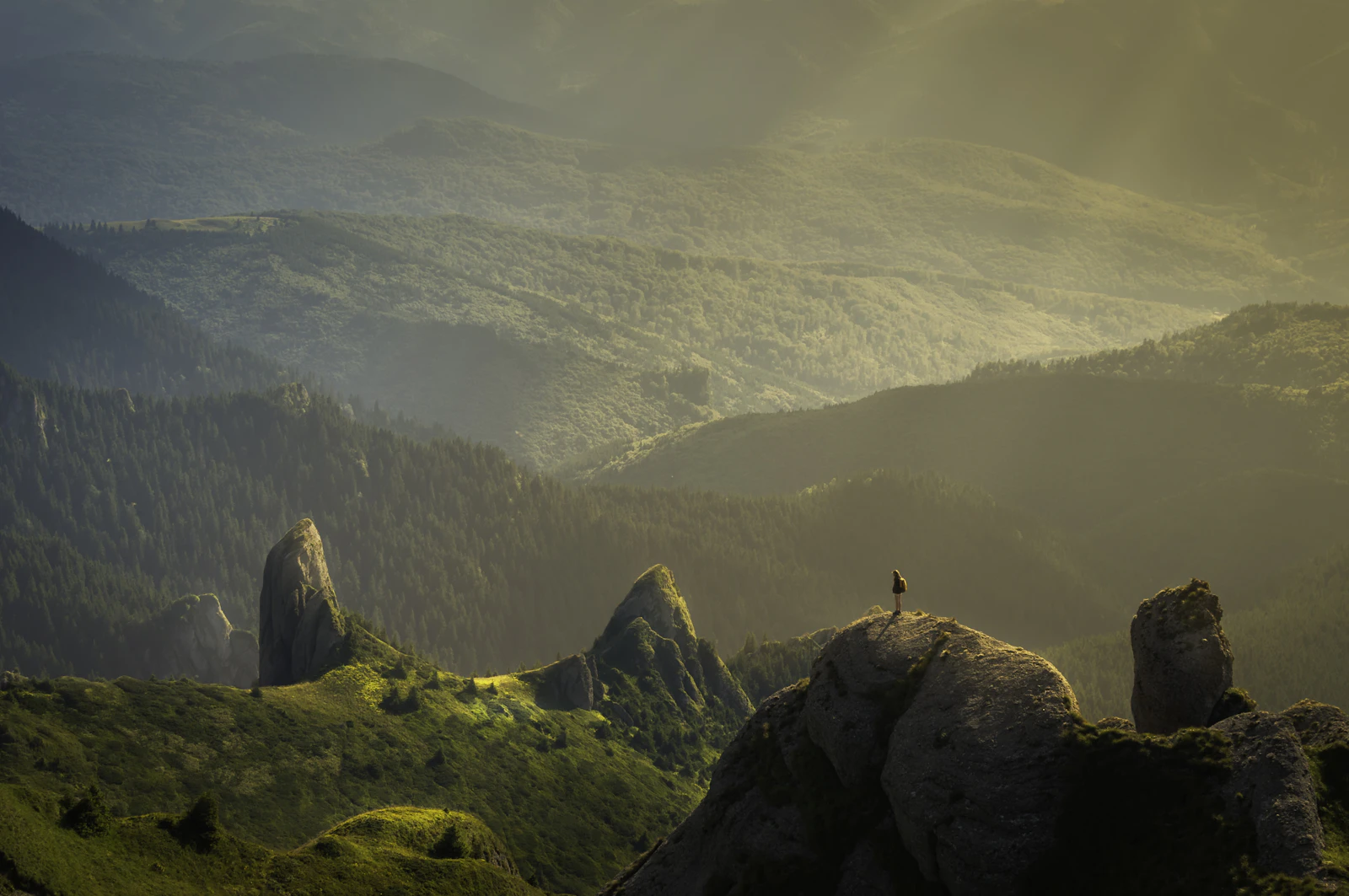
Navajo Loop & Queens Garden
The one trail that puts you inside the amphitheater, not above it.
Varies (estimate)
Partner link · Viator
Sunset Point Rim Walk
Accessible, stroller-friendly, and still the money view.
Varies (estimate)
Partner link · Viator
Astronomy Ranger Program
You'll see the Milky Way with your naked eye — guaranteed.
Varies (estimate)
Partner link · Viator