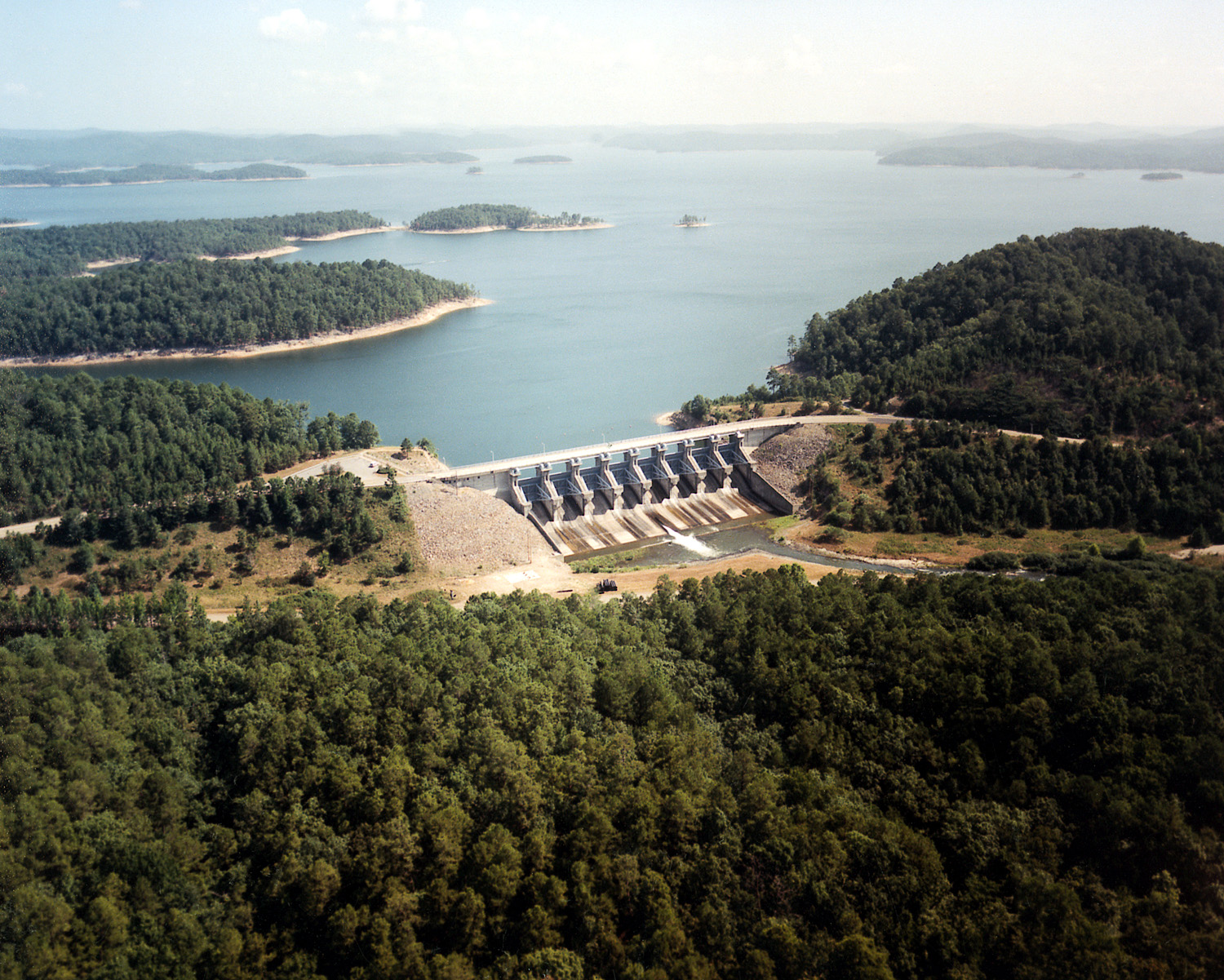
Broken Bow Lake glamping is less about one standard type of accommodation and more about choosing how much comfort you want around an outdoor trip. In this area, that often means a furnished cabin in the woods, while other upgraded outdoor stays depend on current local availability. For a two- to four-day visit, focus on location, weather protection, and the amenities you will actually use rather than the label alone.
What Glamping Looks Like Around the Lake
The broader Broken Bow and Hochatown area is well known for cabin stays, making a cabin the most straightforward starting point for a comfortable outdoor escape. Depending on the property, you might find a kitchen, private bathroom, heating and cooling, or a covered deck. None of those features should be assumed from the word glamping alone.
If you are considering a furnished tent or another less conventional stay, confirm that it is currently available and read the full amenity list. Ask about bathroom access, bedding, electricity, and weather protection. Photographs can emphasize atmosphere while leaving practical details unclear, so prioritize a written description that answers how you will sleep, cook, and wash.
Choose Between Hochatown, Broken Bow, and Park Areas
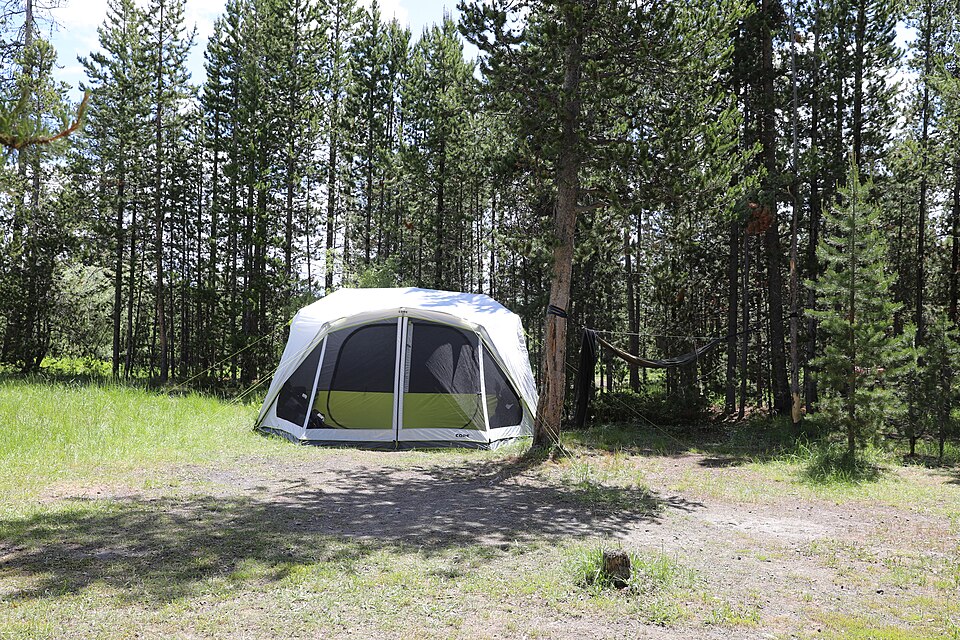
Hochatown is a common base for cabin stays and outings toward Broken Bow Lake and Beavers Bend State Park. Broken Bow offers another base farther south, while accommodations and campgrounds around park access areas may suit travelers who want to organize their days around outdoor recreation. Compare exact addresses rather than assuming every listing described as Broken Bow is in the same neighborhood.
A wooded property is not necessarily waterfront, and a lake view does not guarantee walkable water access. Check the driving route to your intended launch, trail, or swimming area. Also ask about neighboring properties, road surfaces, parking, and whether the final approach suits your vehicle.
Match Your Stay to the Season
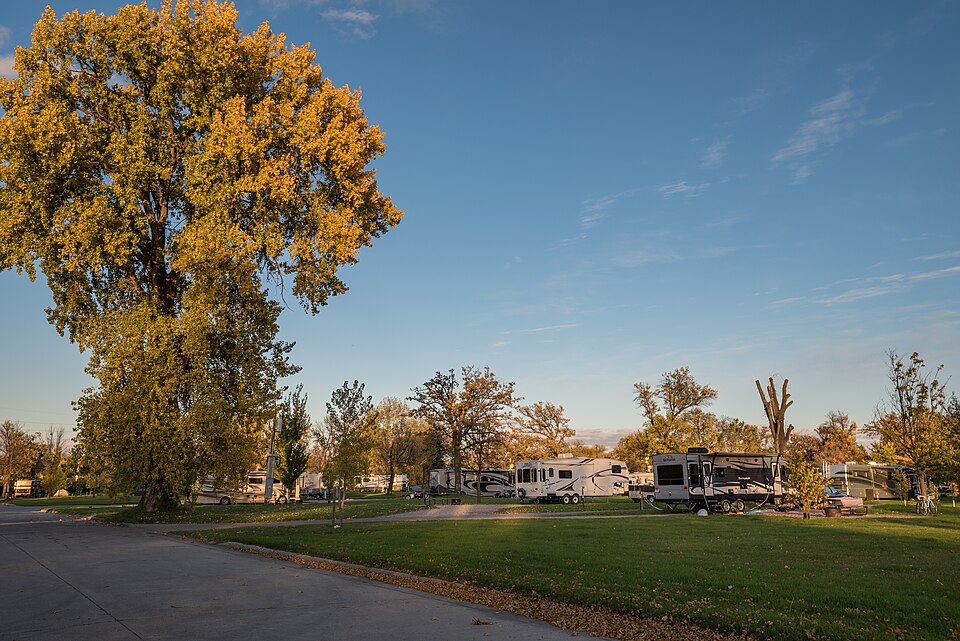
Spring and fall are appealing for deck time, forest walks, and evenings outside, but temperature swings and rain make shelter important. A covered outdoor space can be more useful than an elaborate amenity you rarely use. Summer calls for reliable cooling, shade, and a plan for keeping sleeping spaces comfortable after a hot day on the lake.
Winter trips work better when heating and access details are clear. Ask whether any outdoor features are seasonal and how the property handles weather-related disruptions. Whatever the season, review fire rules before planning a campfire. Check official park alerts and local restrictions rather than assuming a fire pit means fires are currently allowed.
Glamping vs. Tent Camping vs. an RV
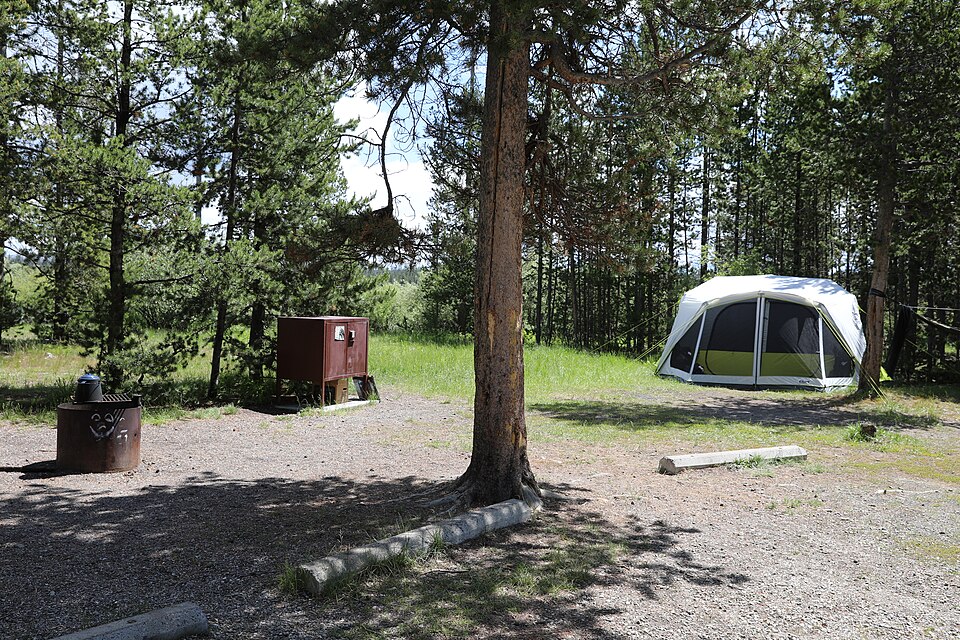
Glamping or a furnished cabin reduces the amount of gear you need to bring and can offer a useful retreat during rain or temperature extremes. The trade-off is often a higher total lodging cost and more property-specific rules. Tent camping puts you closer to the outdoor experience but requires sleeping gear, food storage, and a realistic plan for wet weather.
An RV can provide familiar sleeping and cooking space, though campsite fit, hookups, and driving logistics matter. Confirm site dimensions and utility details before reserving. Compare the full cost of each option, including equipment or RV rental, cleaning charges, campsite fees, and transportation, rather than comparing nightly rates alone.
What to Check Before Booking
Start with the essentials: actual bed arrangements, bathroom privacy, cooking facilities, heating or cooling, and parking. For families, check stairs, deck railings, and the distance from sleeping areas to outdoor water features. For pets, confirm permission and any restrictions in writing. Ask about cell reception or internet if staying connected matters to your trip.
Treat advertised rates as only part of a rough budget; taxes, cleaning fees, deposits, and minimum stays can change the total. Book popular summer and fall weekends early once your plans are firm. Use the official Beavers Bend State Park site for current park conditions and campground reservations, and verify private lodging policies directly with the property.