
Breckenridge glamping is less about one signature style of stay and more about finding the right mix of mountain setting and useful comforts. Your search may include furnished tents, yurts, rustic cabins, or stationary RV accommodations across the wider area, rather than right downtown. For a two- to four-day trip, prioritize dependable access, clear amenity details, and a location that leaves enough time for the activities you came to enjoy.
What Glamping Can Look Like Near Breckenridge
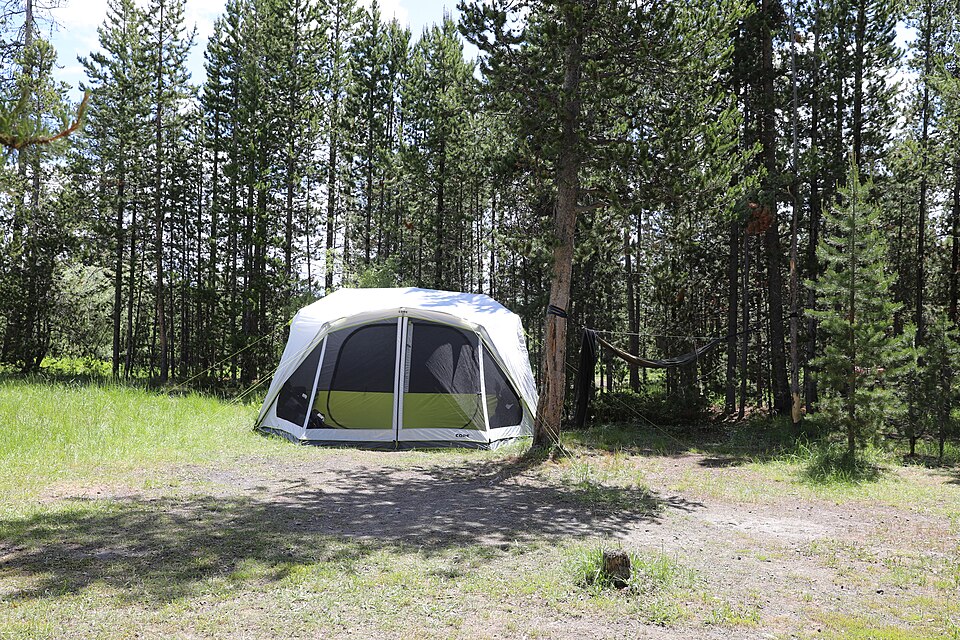
Treat glamping as a description of comfort, not a standardized accommodation category. A furnished tent might include a real bed but require a walk to shared bathrooms. A yurt may have heat without running water, while a cabin could range from basic shelter to a fully equipped vacation rental. Listing photos rarely explain all of these differences.
Before booking, confirm bedding, heat, electricity, drinking water, toilets, showers, cooking facilities, and food storage. Ask whether those amenities are inside the unit or elsewhere on the property. Mountain nights can be cold even in summer, so understand the heating setup and any fuel arrangements. Do not assume a canvas structure operates beyond the warmer season.
Where to Focus Your Search
Start with Breckenridge and nearby Summit County communities such as Frisco, Dillon, and Silverthorne. These are useful search areas for a trip that combines town time with reservoir and trail access, but the supply of furnished outdoor stays varies. Search by accommodation type and actual map location rather than expecting a large cluster of safari tents beside Main Street.
For a broader search, consider Fairplay and Alma on the other side of Hoosier Pass. A stay there changes the trip: returning to Breckenridge involves a mountain pass, and winter weather can complicate access. Confirm the full route to your lodging, including the final driveway, and consider staying closer to your main activities on a short weekend.
Choose the Season Around the Shelter
Summer and early fall are the most straightforward periods for tent-style glamping near Breckenridge. That does not mean warm nights are guaranteed. Ask what bedding is provided, bring layers, and check how the property handles rain, cold snaps, and severe weather. Early-season snow and late-season freezes can affect water systems, access roads, and shared facilities.
For a ski-focused stay, look for accommodations explicitly designed and operated for winter use. Confirm heat, snow removal, vehicle requirements, and the availability of bathrooms and water throughout your dates. A rustic cabin is not automatically winter-ready. Check official local and U.S. Forest Service updates for area conditions, plus the property's current operating and cancellation policies.
Glamping vs. Camping vs. an RV Stay
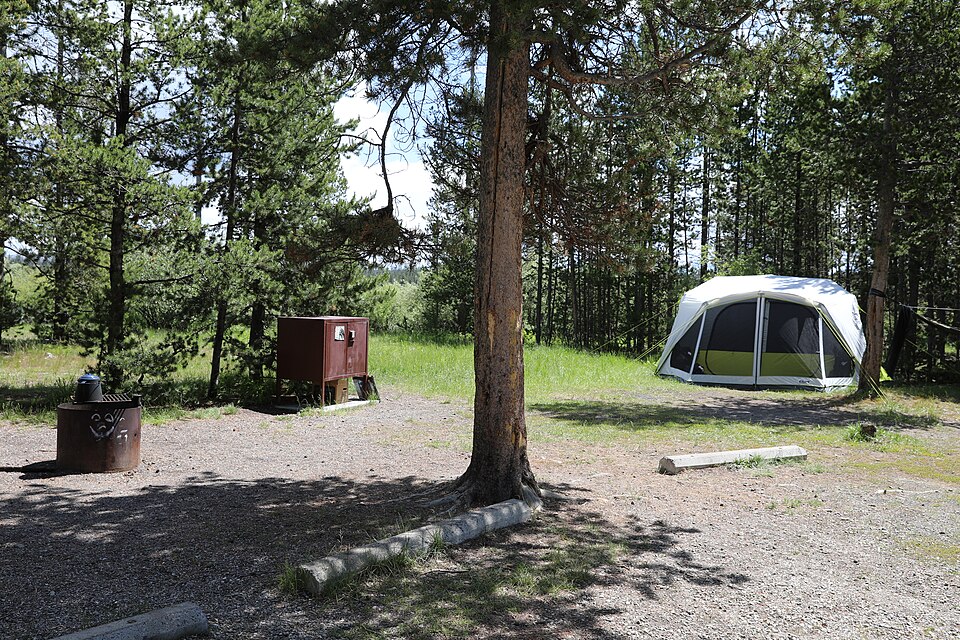
Glamping usually reduces the amount of gear you need to bring, but how much setup it removes depends on the property. Traditional camping means providing your own shelter and sleeping equipment, while campsite facilities vary widely. Neither option automatically includes showers, electricity, or a place to cook indoors, so compare the details rather than the labels.
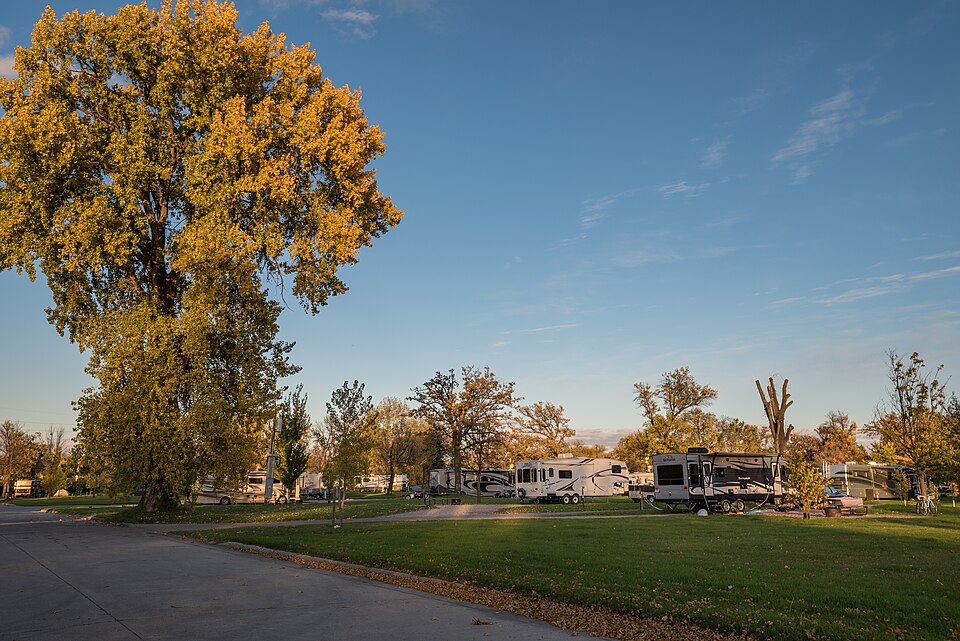
An RV can offer a kitchen and enclosed sleeping space, but you still need to understand campsite length limits, hookups, waste disposal, and seasonal access. A stationary RV rental differs from driving your own rig into a campground. Compare rough total costs, including cleaning charges, equipment, transportation, and campground fees, without assuming one style is always cheaper.
Book for Access, Comfort, and Local Rules
For summer weekends and fall foliage dates, start searching once your travel dates are firm, especially if you need a private bathroom or pet-friendly unit. Verify the property's location, parking, check-in process, and cancellation terms. Ask whether there is reliable cell service, and download directions if access could be patchy. Reviews can help clarify comfort, but confirm essential amenities directly.
Check current fire restrictions before planning a campfire, and follow food-storage and waste rules wherever you stay. For public-land campgrounds, use the official U.S. Forest Service or relevant park site for reservations and conditions. National park side trips require separate checks on the official NPS site; a lodging reservation does not establish park access.