
Bozeman glamping can mean a furnished canvas tent, a yurt-style stay, or a small cabin that keeps you close to mountain scenery without requiring a full camping setup. The experience varies widely, so a real bed does not automatically mean a private bathroom, reliable heat, or a kitchen. For a two- to four-day trip, start by choosing the area that suits your daily plans, then compare the specific comforts and access details each property actually provides.
What Glamping Looks Like Around Bozeman
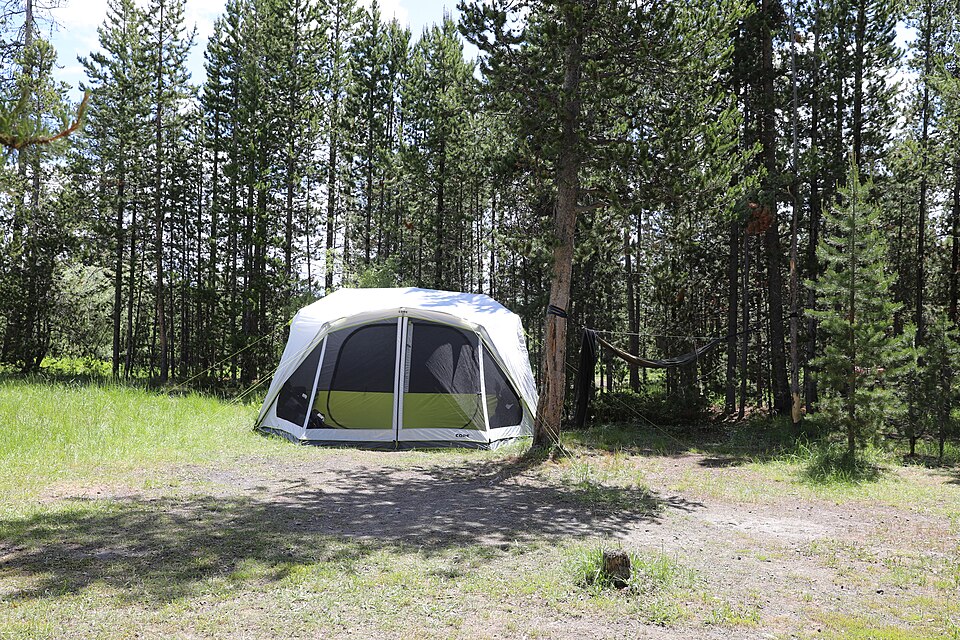
Think of glamping here as a spectrum between sleeping outdoors and staying in a conventional room. When searching, you may encounter furnished tents, yurts, rustic cabins, and other small outdoor-oriented accommodations. The label alone tells you little about plumbing, electricity, insulation, or how close neighboring units are, so read the full description rather than relying on photographs.
Ask whether bathrooms are private or shared, whether bedding is supplied, and whether heating is suitable for the season you plan to visit. Confirm cooking facilities, drinking water, food-storage rules, and parking arrangements. If accessibility matters, request specific information about steps, paths, bathroom layouts, and the distance from vehicle to accommodation.
Where to Focus Your Search
Start with Bozeman's outskirts if you want outdoor surroundings while keeping downtown meals and museums within your trip plan. Belgrade and the broader Gallatin Valley may be worth searching when airport access is a priority. Four Corners and the Gallatin Gateway area are useful geographic reference points for trips focused on Gallatin Canyon.
Farther south, the Big Sky area shifts your base toward mountain activities rather than Bozeman itself. Livingston and Paradise Valley are separate search areas east of Bozeman, better suited to a different daily driving pattern. These are areas to investigate, not guarantees of glamping availability. Map the actual property entrance before booking.
Choose the Season for Your Accommodation
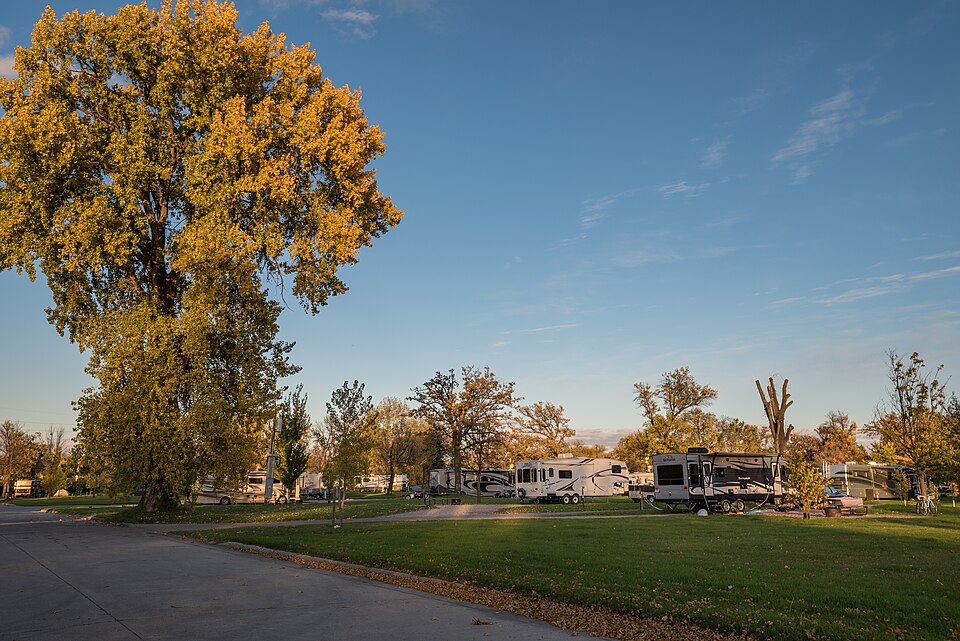
Summer is the simplest starting point for tent-based glamping, but nights can still feel cool, especially outside the valley floor. Ask about ventilation and shade as well as extra blankets. Smoke, thunderstorms, and insects can affect the outdoor portion of your stay, so it helps to have a covered gathering space or an indoor backup plan.
Spring and fall require closer attention to heating, mud, and possible snow. Some accommodations operate seasonally, and a winter listing should be checked for insulation, bathroom access, and road maintenance. Confirm the host's weather-related cancellation terms and consult official forest or park sites for nearby recreation conditions and reservations.
Glamping vs. Tent Camping vs. RV Travel
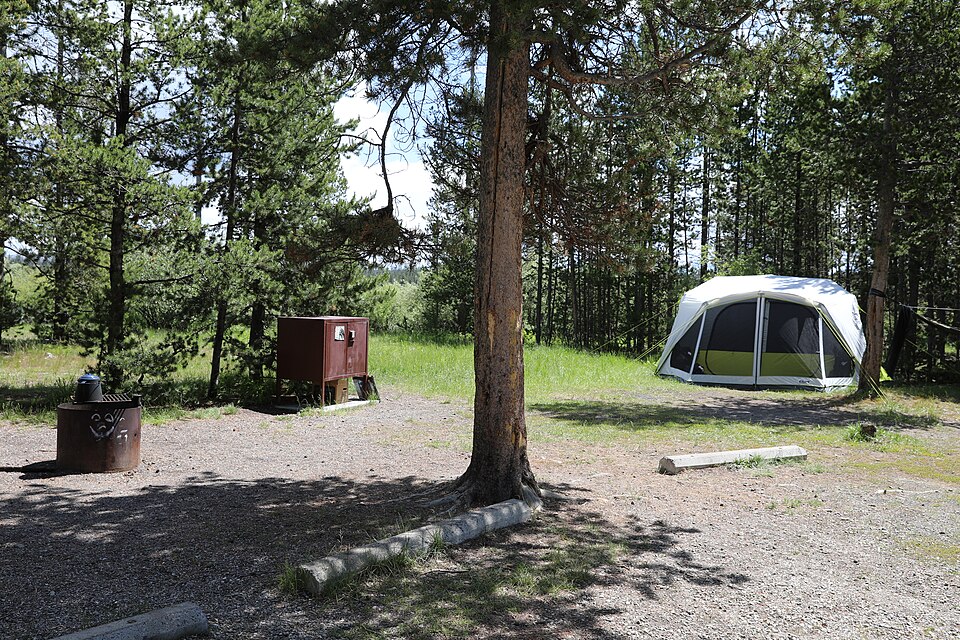
Glamping suits travelers who want an outdoor setting without transporting sleeping gear or assembling a full campsite. Tent camping usually requires more equipment and setup, but offers more control over your own camp routine. An RV provides a different kind of shelter and storage, with added questions about vehicle size, hookups, parking, and waste disposal.
Costs vary widely across all three options. As a rough budgeting guide, furnished stays often cost more than basic campsites, while RV rental, fuel, and site fees can add up. Compare the complete stay, including cleaning charges, gear needs, transportation, and meals. Do not assume glamping includes cooking facilities or that every RV site has hookups.
What to Confirm Before You Book
Read the cancellation policy and confirm minimum-stay rules, check-in arrangements, pet restrictions, and any extra charges before committing. Ask whether the access road is paved, gravel, or steep, and whether your vehicle is appropriate for the season. Cell service and Wi-Fi may be limited outside town, so download directions and arrival instructions ahead of time.
Follow the property's wildlife-aware food-storage guidance and current fire restrictions; a pictured firepit does not mean fires will be allowed during your stay. Check the official Custer Gallatin National Forest site for nearby outings. If Yellowstone is part of your route, review the official NPS site for current conditions, access, and reservations.