
For those who want to experience the rugged beauty of the Massachusetts coast without sacrificing all the comforts of home, Boston Harbor Islands glamping offers a unique middle ground. While traditional tent camping is available on several islands, the introduction of yurts has transformed the overnight experience for many visitors. Staying overnight in the harbor allows you to witness sunsets and sunrises that day-trippers miss, providing a profound sense of isolation just miles from the city.
The Yurt Experience on Peddocks Island
The primary destination for those seeking a glamping-style experience is Peddocks Island. The park has installed several yurts near the historic Fort Andrews area. These structures are a significant step up from traditional tent camping, featuring wooden lattices, hard floors, and bunk beds with mattresses. While you still need to bring your own bedding or sleeping bags, the yurts provide excellent protection from the wind and rain, which can be frequent in the harbor.
Each yurt typically accommodates up to six people, making them a great option for families or small groups. They are equipped with lighting and electricity, though it is often limited to small electronics. Outside, you will find a dedicated picnic table and a charcoal grill for cooking. The yurts are situated in a way that offers a sense of privacy while still being within walking distance of the island's composting toilets. This 'glamping light' experience allows you to enjoy the coastal environment with a solid roof over your head and a comfortable place to sit, which is especially appreciated during a damp New England evening.
Traditional Camping vs. Glamping
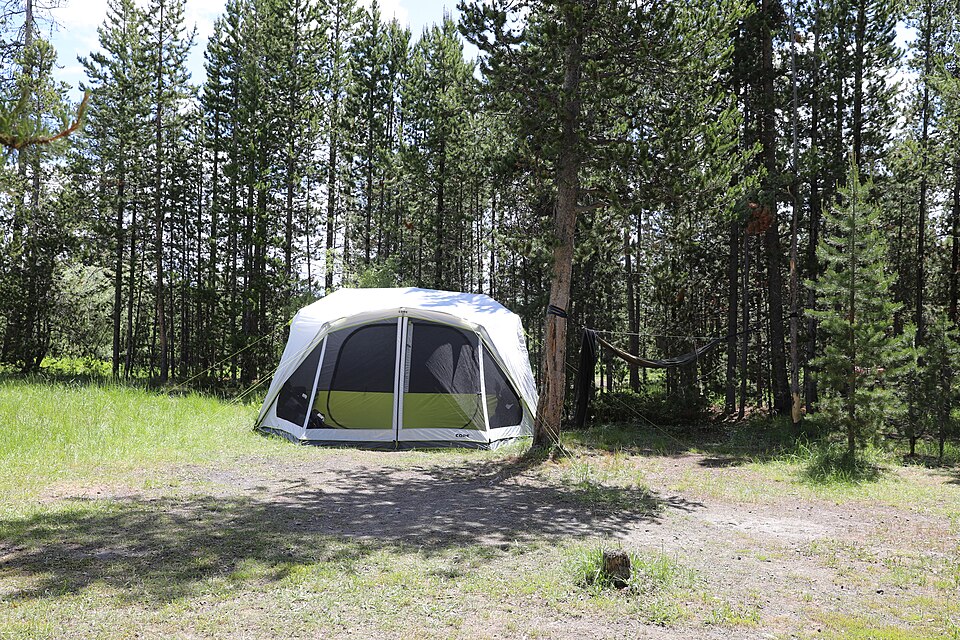
If you are deciding between traditional camping and glamping, consider your comfort level with the elements. Traditional camping is available on Grape, Bumpkin, and Peddocks Islands and is much more primitive. You will need to haul all your gear, including a tent, sleeping pads, and cooking supplies, from the ferry dock to your campsite. These sites offer a more 'wild' feel, often tucked into the brush or near the rocky shoreline.
Glamping in a yurt removes the need to pitch a tent and provides a more stable environment for those who might be wary of sleeping on the ground. However, both options require a 'carry-in, carry-out' approach. There is no running water at the individual sites, and you must bring all your own potable water for drinking and washing. For many, the choice comes down to availability; yurts are extremely popular and often book up the moment reservations open for the season. If you cannot secure a yurt, a well-equipped tent site on Grape Island offers a wonderful, albeit more rustic, alternative with beautiful views of the Hingham shoreline.
Gateway Cities and Nearby Lodging
If you prefer more traditional luxury, the gateway cities of Boston, Hingham, and Hull offer a variety of coastal lodging options that can serve as a base for day trips to the islands. In Boston, you can find high-end hotels overlooking the waterfront, just steps from the ferry terminal at Long Wharf. These accommodations offer every modern amenity, from spa services to fine dining, allowing you to explore the islands by day and return to a climate-controlled room by night.
Hingham and Hull provide a more relaxed, small-town coastal vibe. Hull, located on a narrow peninsula, has several historic inns and bed-and-breakfasts that offer views of the Atlantic. Staying in these gateway areas allows you to experience the maritime culture of Massachusetts while maintaining easy access to the park via the commuter ferries. While not 'glamping' in the strict sense of staying on the islands, these coastal stays offer a comfortable way to enjoy the harbor's beauty for those who are not ready to commit to an island overnight.
Where to sleep
Harvest Hosts stays on the way to Boston Harbor Islands
Partner link · Harvest Hosts
What to Bring for an Island Stay
Regardless of whether you are glamping in a yurt or pitching a tent, your packing list for the Boston Harbor Islands should be thorough. Since there are no stores on the islands, you are entirely self-sufficient once the ferry departs. Essential items include a high-quality flashlight or headlamp, as the islands are very dark at night. You should also bring plenty of insect repellent, as the coastal tall grass can be home to mosquitoes and ticks.
Food should be packed in sturdy, critter-proof containers. While there are no large predators on the islands, seagulls and small rodents are very adept at finding poorly stored snacks. For cooking, bring charcoal for the provided grills, but remember that open wood fires are strictly prohibited on the islands to prevent wildfires. Don't forget a basic first-aid kit, plenty of sunscreen, and extra layers of clothing. Even in the height of summer, the temperature on the islands can drop quickly once the sun goes down, and the damp ocean air can feel quite chilly. A portable power bank for your phone is also a good idea, as charging outlets are not guaranteed.
Booking and Seasonal Availability
The window for Boston Harbor Islands glamping and camping is relatively short, typically running from late May through September. Reservations are managed through a centralized permit system, and it is highly recommended to plan your trip months in advance. Weekend slots are the first to go, often disappearing within minutes of becoming available. If your schedule is flexible, mid-week stays offer a much better chance of securing your preferred dates and provide a quieter experience on the islands.
Always check the official National Park Service website for the most current information regarding permit costs, ferry schedules, and any island-specific regulations. Keep in mind that your camping permit does not include your ferry ticket; these must be purchased separately. If weather conditions become severe, the park service may cancel overnight stays for safety reasons, so always have a backup plan. Despite the effort required to coordinate the logistics, spending a night in a yurt or a tent on these historic islands is an unforgettable way to experience the natural side of Greater Boston, offering a unique perspective on the intersection of city and sea.