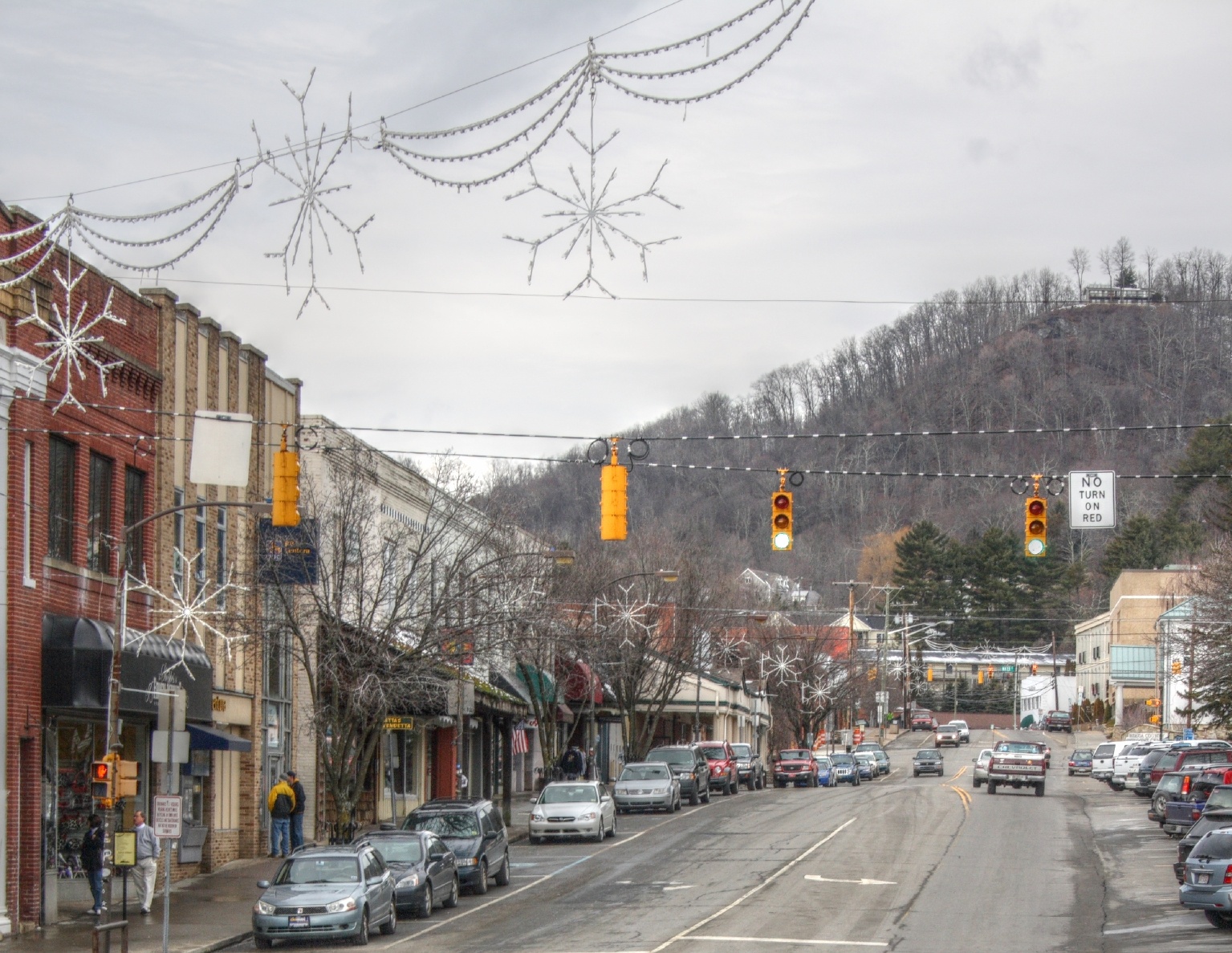
Boone glamping can offer a middle ground between a hotel stay and bringing your own tent, with mountain scenery still shaping the experience. Around the High Country, look for furnished outdoor accommodations and cabin-style stays, but read each listing carefully because comfort levels vary widely. Your best fit depends less on the label than on bathroom access, reliable heating, road conditions, and how far you want to drive for meals and trails.
What Glamping Looks Like Around Boone
In the Boone area, glamping is a broad lodging label rather than a standard set of amenities. Your search may turn up furnished tents, yurts, pods, or small cabins marketed for an outdoor-oriented stay. Some emphasize a real bed and private bathroom; others provide sleeping space while leaving cooking, washing, and bathroom trips closer to traditional camping.
Before booking, confirm exactly what is included: bedding, towels, drinking water, electricity, heat, air conditioning, and bathroom location. Ask whether the structure is insulated or simply weather-resistant, and whether its advertised capacity means actual beds for everyone. Photos alone may not show steep paths, shared facilities, nearby sites, or the distance between parking and your accommodation.
Where to Look: Boone, Blowing Rock, and Banner Elk
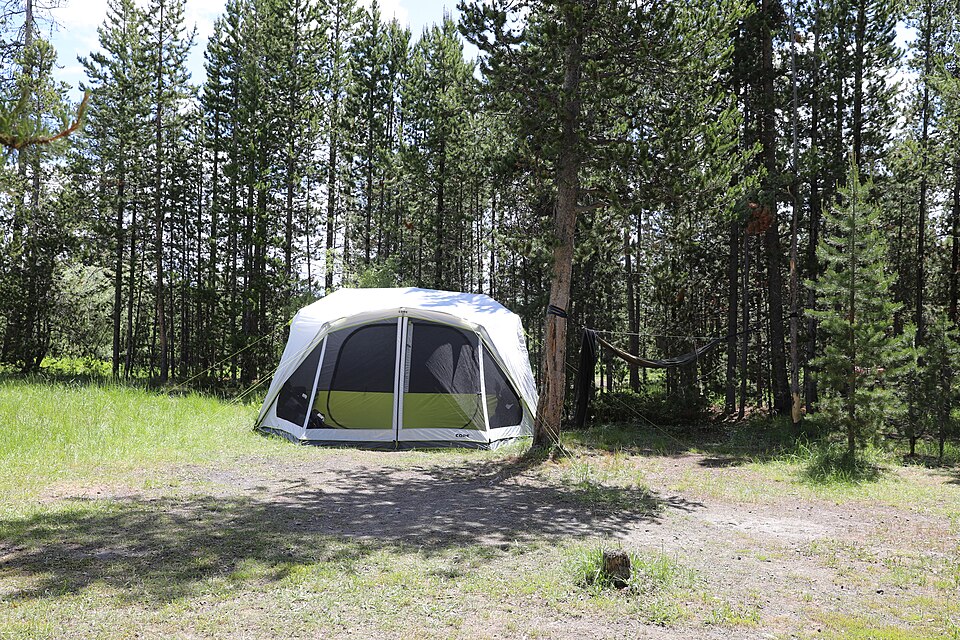
Start near Boone if easy access to restaurants, supplies, and downtown activities matters most. Properties outside town may feel more secluded, but compare actual driving routes rather than judging distance from a map pin. A hillside setting can involve winding roads, a steep driveway, or a longer trip for a simple grocery stop.
The Blowing Rock area is worth searching if your priority is the Parkway, Moses H. Cone Memorial Park, or Julian Price Memorial Park. Banner Elk and nearby Valle Crucis are other areas to explore for a western High Country base. These are search areas, not a promise of a particular accommodation type. Verify the address, road surface, parking arrangement, and travel time to your planned outings.
Choose the Season Around Your Comfort Level
Summer is often the simplest season for a first glamping trip near Boone, with longer daylight hours and generally milder nights than colder parts of the year. Still, rain, thunderstorms, damp bedding, and cool evenings can affect a lightly insulated structure. Confirm ventilation and weather protection rather than assuming an elevated tent feels like a hotel room.
Fall brings colorful surroundings and stronger weekend demand, along with colder nights as the season progresses. Spring can be wet and changeable. Winter stays require particular attention to heating, plumbing, and vehicle access, and some seasonal properties may not operate then. Reserve preferred summer and fall dates early, review cancellation terms, and check official park or NPS updates for the outings you hope to make.
What to Pack and What to Confirm First
Pack layers, a rain jacket, sturdy walking shoes, a headlamp, and an extra warm layer for sitting outside. A reusable water bottle, sun protection, insect repellent, and a small daypack are useful for nearby walks. Bring slippers or dry indoor footwear if you want to keep muddy shoes away from the sleeping area.
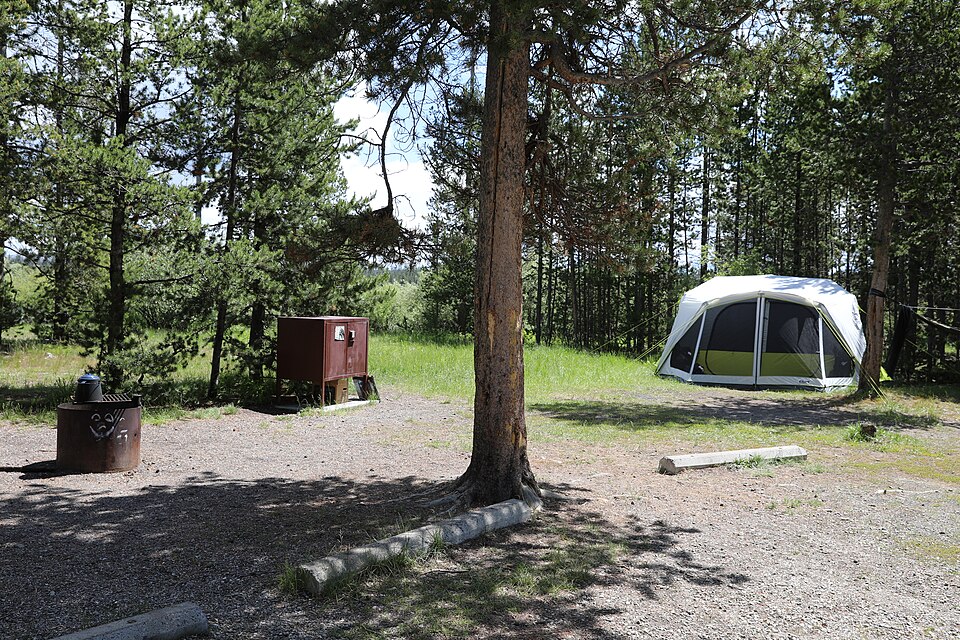
Let the amenity list guide everything bulkier. Confirm bedding, cookware, refrigeration, coffee-making supplies, and whether you need your own cooler or drinking water. Ask about food storage and trash disposal because wildlife, including black bears, lives in the region. Verify current fire rules before planning a campfire, and use only property-approved cooking or heating equipment in the locations the host allows.
Glamping vs. Tent Camping vs. an RV Stay
Choose glamping when you want an outdoor setting without transporting a full sleeping setup. Expect costs to vary widely with bathrooms, heating, views, and season; compare the total estimate, including cleaning charges and minimum-stay rules, rather than the headline nightly rate. More amenities do not necessarily mean more privacy or easier access.
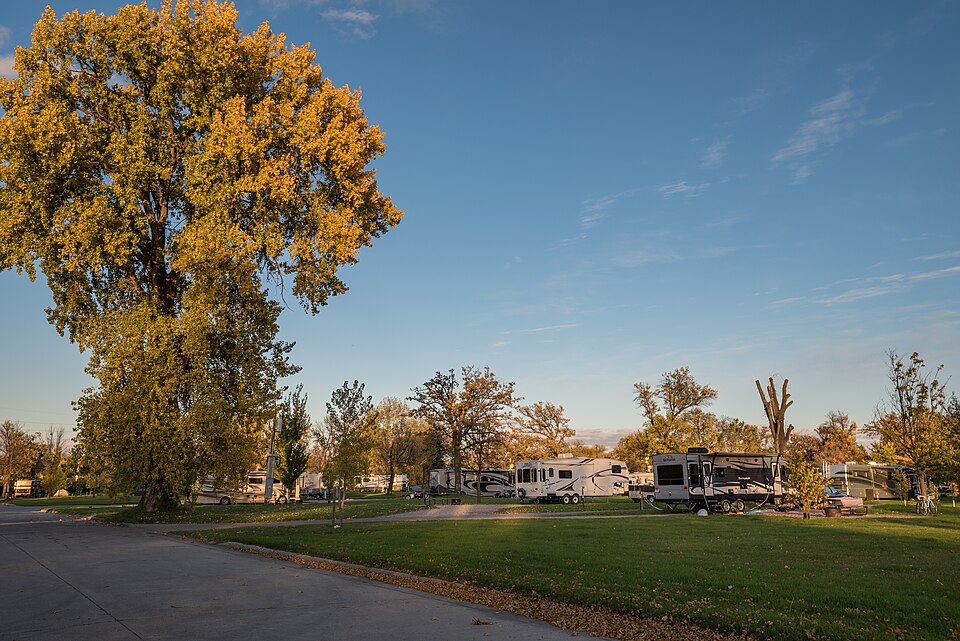
Tent camping usually means bringing more equipment and handling weather more directly, while often keeping accommodation spending lower. An RV adds enclosed living space but requires a suitable site, access route, and compatible hookups or a self-contained setup. For any option, confirm reservations, pet rules, and arrival procedures. Check official campground or park information rather than assuming a nearby commercial listing describes public camping rules.