
Black Hills glamping can mean a furnished tent, a cabin-style retreat, or another outdoor-focused stay with more comfort than a basic campsite. The label alone tells you little about bathrooms, heat, or cooking facilities, so compare the details before booking. For a three-to-five-day trip, prioritize a location near your main activities and a sleeping setup that works for cool nights, changing weather, and your group's comfort level.
What Glamping Looks Like Here
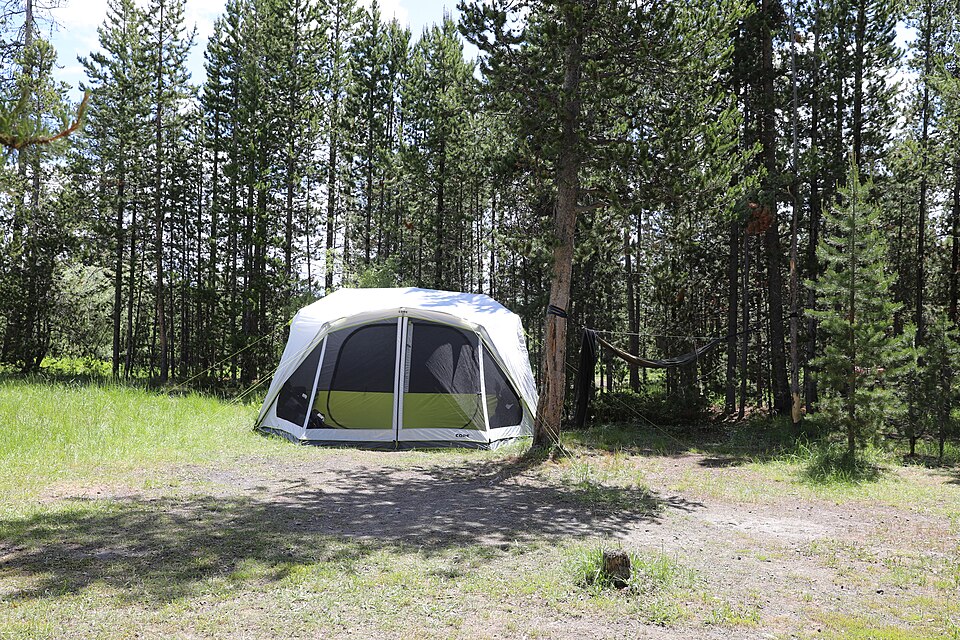
Think of glamping as a spectrum rather than a standard package. A furnished canvas tent may provide beds and seating while relying on shared bathrooms. A cabin may add solid walls, electricity, or a kitchenette, but linens and private plumbing are not automatic. Some stays emphasize the outdoor setting; others function more like compact lodging with a porch and fire ring.
Read the amenity list closely and ask about heating, bedding, bathroom distance, potable water, food storage, and cooking equipment. Verify whether parking is beside the unit or requires carrying bags along a path. Photos can show atmosphere without revealing practical limitations, so written policies matter more than the word "luxury" in a listing.
Choose a Gateway Area That Matches Your Plans
Look around Custer if your priorities are Custer State Park, granite-country hikes, and cave visits in the southern hills. Hill City and the Keystone area can suit travelers focusing on the central hills and Mount Rushmore. These are useful search areas, not promises that a particular lodging type or amenity will be available for your dates.
Rapid City's outskirts may work for airport convenience and a broader range of town services, though some outings will involve more driving. Deadwood and the northern hills make more sense for a northern-focused trip. Check the actual property address, access road, and mapped drive times; a listing described as "near the Black Hills" may be far from your daily stops.
Pick Your Season and Reserve the Right Setup
May through September is the main window to investigate outdoor-oriented stays, but each property's operating season is different. Summer offers the easiest fit for travelers seeking warm afternoons and broad access to regional activities. Even then, nights can feel cool, especially in elevated or shaded settings. Spring and fall require closer attention to heating, bedding, and bathroom arrangements.
For summer weekends and the August Sturgis rally period, begin searching several months ahead and review cancellation terms before committing. Ask whether water and shared facilities remain available throughout your stay. Glamping costs vary widely and can exceed basic camping by a substantial margin, so compare total estimated charges, including cleaning fees and required extras, rather than nightly rates alone.
Pack for the Weather, Not Just the Furnishings
Bring layers, a warm outer layer, rain protection, sturdy walking shoes, and a headlamp even if the unit has electric lighting. Paths to parking or bathrooms may be dark, and tent interiors can track outdoor temperatures more closely than a hotel room. Add sun protection, reusable water bottles, personal toiletries, and any towels or bedding the host does not supply.
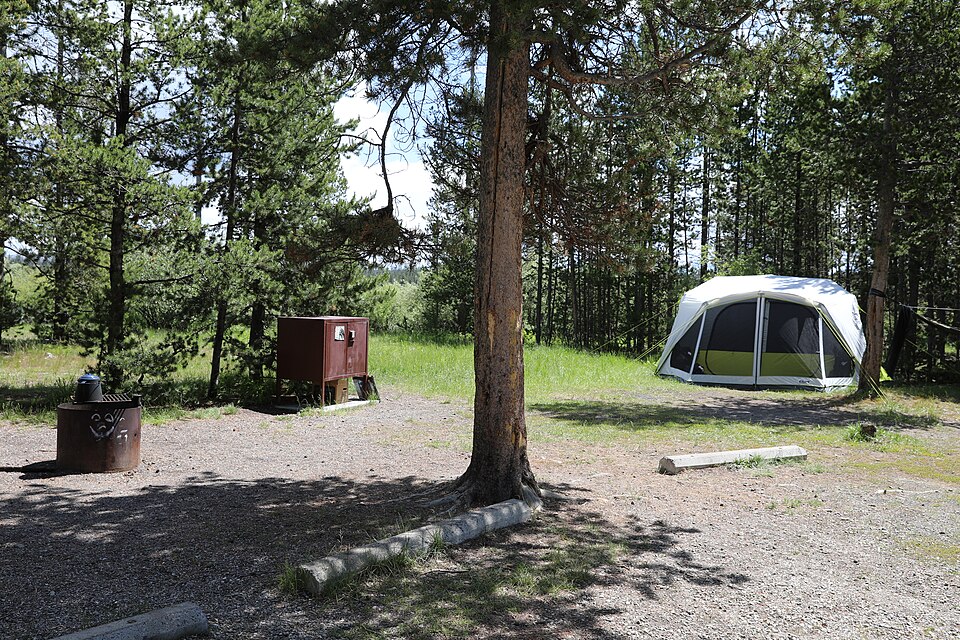
Confirm kitchen equipment before packing groceries. A fire ring is not a dependable cooking plan because local restrictions or weather may prevent fires. Use designated food storage and follow property guidance about wildlife. Download maps and arrival instructions before leaving town, since connectivity varies. Check official park and forest sites for current fire restrictions and conditions.
Glamping vs. Camping vs. an RV Stay
Choose glamping when you want an outdoor setting without transporting a full sleeping setup. It can simplify a fly-in trip, but comfort depends on the unit: shared bathrooms and limited temperature control may still be part of the experience. Traditional camping generally offers a simpler, often less costly starting point, though equipment, campsite amenities, and weather exposure require more planning.
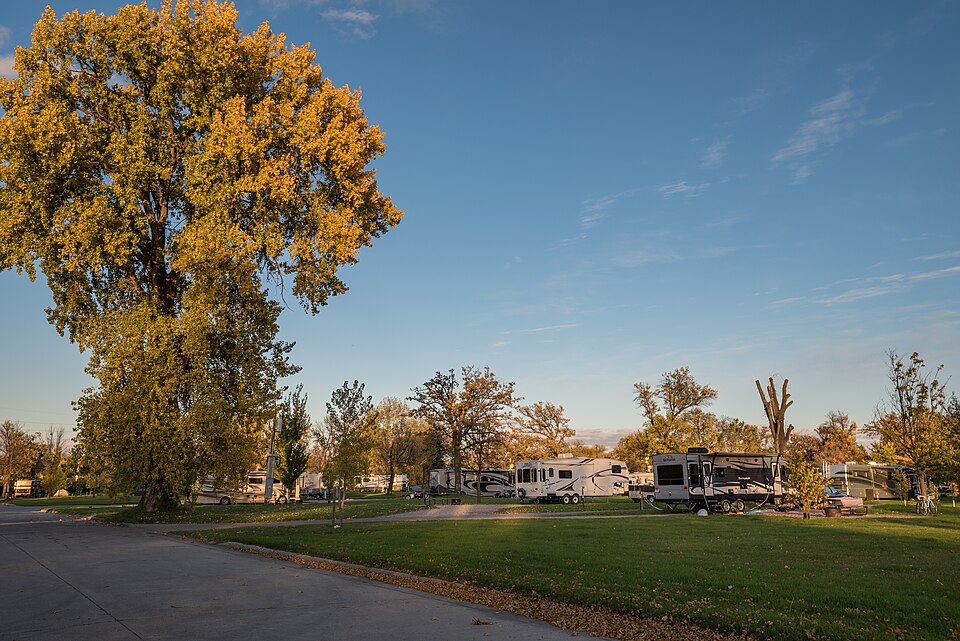
An RV provides a familiar sleeping space and storage, but site length, hookups, parking, and road access become important. Needles Highway and Iron Mountain Road have tunnels and other constraints that can rule out larger vehicles. Compare rough total trip costs, not just overnight charges, and check official campground reservation pages and road information before choosing your setup.