
The Bitterroot Valley offers a distinct four-season experience tucked between the Sapphire and Bitterroot Mountain ranges. While summer brings the warmest weather for alpine hiking, the shoulder seasons of late spring and autumn provide a quieter, more intimate look at Montana's natural beauty. Understanding the local climate is key to enjoying the valleyâs vast trail networks and world-class fly fishing rivers. Visitors should prepare for varying conditions, as mountain weather can shift rapidly even during the height of the summer season.
Summer Highs and Alpine Access
July and August represent the peak season for the Bitterroot Valley. During these months, the snow finally clears from the high-elevation passes of the Bitterroot Mountains, opening up legendary trails like the trek to Saint Mary Peak. Daytime temperatures are typically warm and dry, often reaching into the 80s, which makes the Bitterroot River a popular spot for floating and cooling off. This is the prime window for high-country camping and backcountry exploration.
Because this is the busiest time of year, popular trailheads near Hamilton and Stevensville can fill up early in the day. If you plan on staying in established campgrounds or local lodges, booking several months in advance is highly recommended. The long daylight hours allow for extended evening hikes, but travelers should be aware of the possibility of afternoon thunderstorms that can roll over the peaks from the west. This is the quintessential Montana summer experience, full of lush greenery and vibrant wildflower displays in the upper canyons.
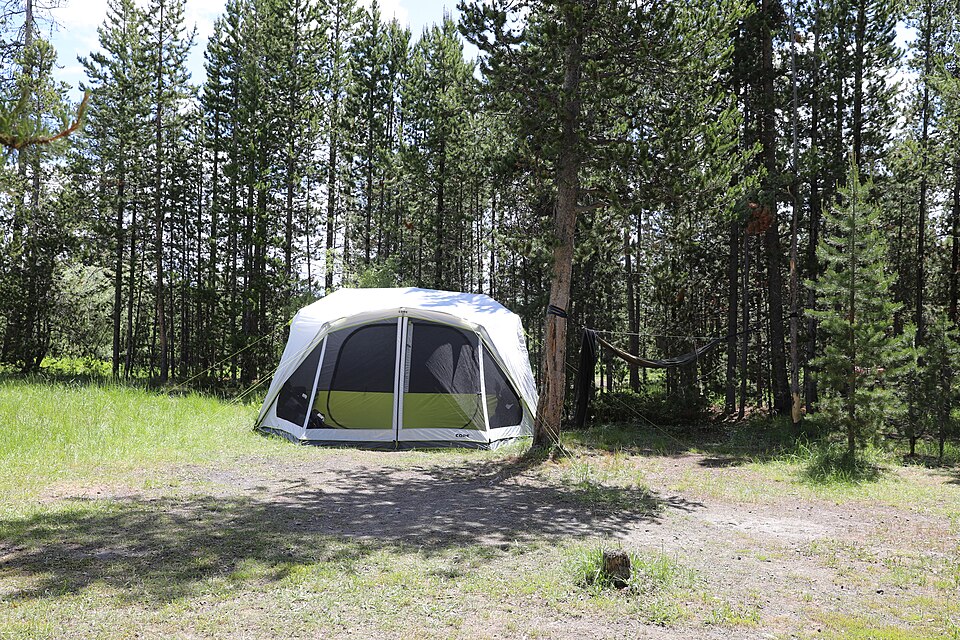
Lock in a stay for this season
RV parks near Bitterroot Valley on RoverPass
Partner link · RoverPass
Autumn Colors and Cool Breezes
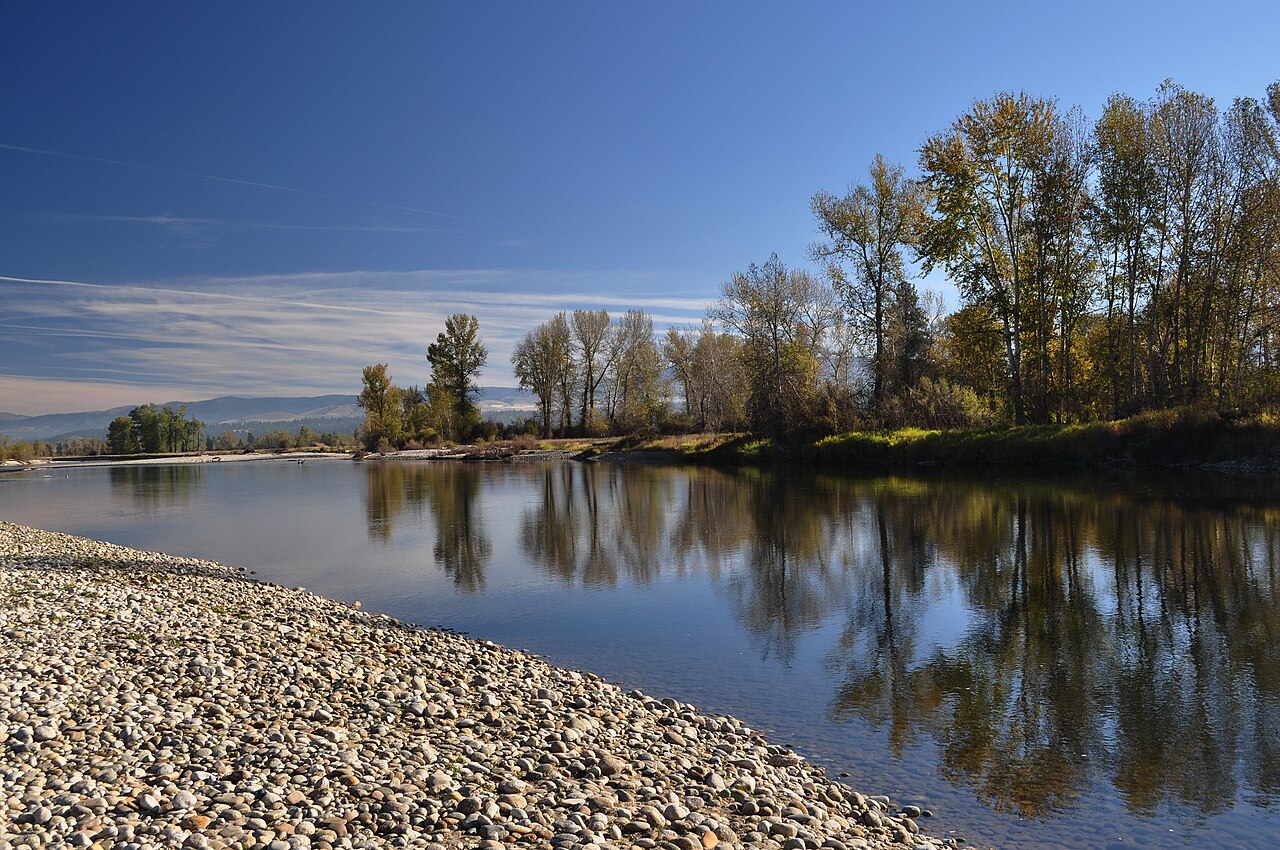
September and October are considered by many locals to be the best time to visit Bitterroot Valley. As the summer crowds dissipate, the valley floor transforms into a tapestry of gold and orange. The western larches, unique deciduous conifers, turn a brilliant yellow on the mountainsides before dropping their needles. The air becomes crisp, with daytime temperatures hovering in the 60s, creating perfect conditions for long-distance hiking without the summer heat.
Wildlife activity increases during this time as animals prepare for winter. It is common to see elk and deer in the meadows near the river. While the higher trails may see early dustings of snow by late October, the valley floor remains accessible. Travelers should check the official NPS or Forest Service sites for seasonal road closures, especially for forest service roads leading to remote trailheads. The river remains a draw for anglers seeking the fall hatch, offering a peaceful atmosphere compared to the mid-summer rush.
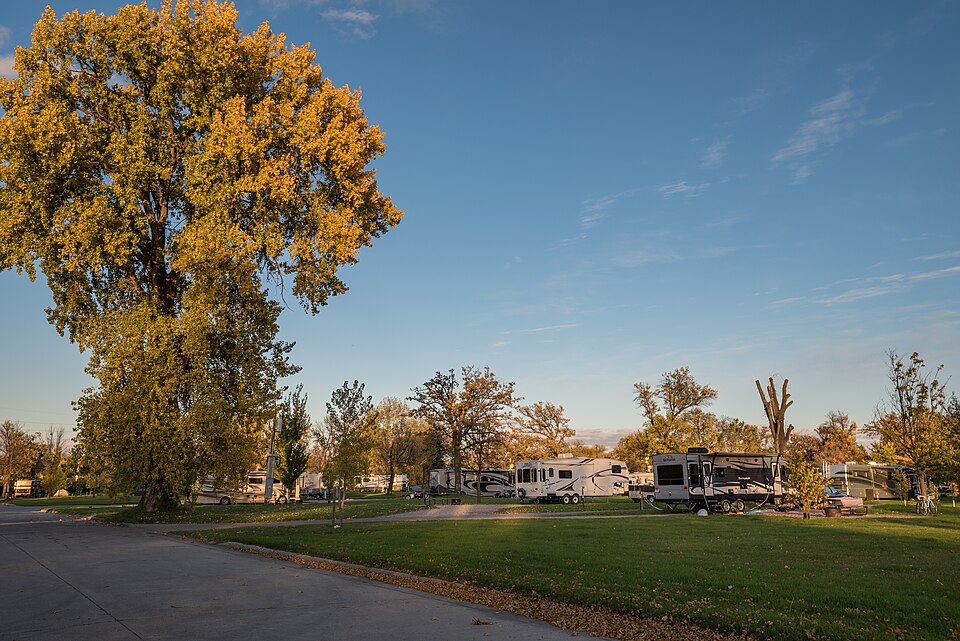
Lock in a stay for this season
Campsites near Bitterroot Valley on Campspot
Partner link · Campspot
Winter Silence in the Mountains
Winter in the Bitterroot Valley is a season of quiet solitude and snow-covered landscapes. From December through March, the valley transforms into a hub for cross-country skiing and snowshoeing. While the high peaks are buried under deep snow, the lower valley stays somewhat milder due to its geographical position, though freezing temperatures are the norm. The Chief Joseph Pass area becomes a primary destination for those looking to glide through groomed Nordic trails or explore the backcountry on skis.
Travel during this time requires a sturdy vehicle with four-wheel drive and snow tires, as mountain passes can be challenging. Most high-altitude campgrounds are closed, but local towns like Hamilton and Darby offer cozy indoor accommodations. It is a time for slow travel, enjoying the sight of frosted cottonwood trees along the river and the dramatic, snow-draped granite spires that define the skyline. Crowds are virtually non-existent, providing a truly private experience for those who embrace the cold.
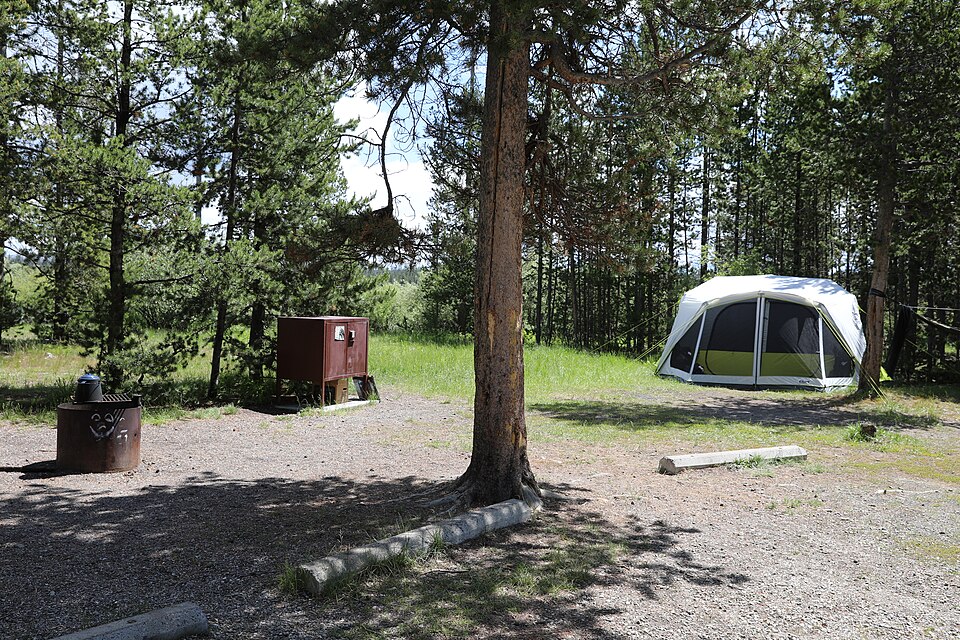
Lock in a stay for this season
Harvest Hosts stays on the way to Bitterroot Valley
Partner link · Harvest Hosts
Spring Awakening and Runoff
Spring arrives slowly in Western Montana. April and May see the valley floor greening up, while the peaks remain white with snow. This is the season of the Bitterroot flower, the valley's namesake, which begins to bloom in rocky soil. It is a period of transition where hikers might encounter mud and lingering snow patches on mid-elevation trails. The river levels rise significantly during this time due to snowmelt, known locally as runoff, which can make water activities more challenging and dangerous for the inexperienced.
For those who don't mind a bit of rain, spring offers the advantage of lower lodging costs and very few tourists. It is an excellent time for birdwatching and photography, as the vibrant green of new growth contrasts sharply against the dark granite of the Bitterroot Range. If you visit during the spring, focus your activities on the lower valley trails and historical sites in Stevensville or Hamilton while waiting for the higher terrain to dry out and become accessible.
Crowds and Reservation Timing
Managing expectations regarding crowds is essential for a smooth trip. While the Bitterroot Valley is less congested than nearby Glacier National Park, it has seen a steady increase in popularity. Summer weekends bring locals and visitors alike to the most accessible trailheads, such as Blodgett Canyon. To secure your preferred campsite or a specific cabin in the woods, look to book your reservations at least four to six months out, especially for stays between July 4th and Labor Day.
Mid-week visits are generally quieter and offer a more secluded feel. During the shoulder seasons, you can often find more flexibility in accommodations, but always verify that seasonal businesses are open. Cost-wise, summer and early fall see the highest rates for lodging and vehicle rentals. Budgeting for a daily average of around 165 dollars per person will cover moderate lodging, meals, and local activities. Always check the official Forest Service websites for current conditions regarding fire restrictions in late summer and trail accessibility in early summer.
More ways to book Bitterroot Valley
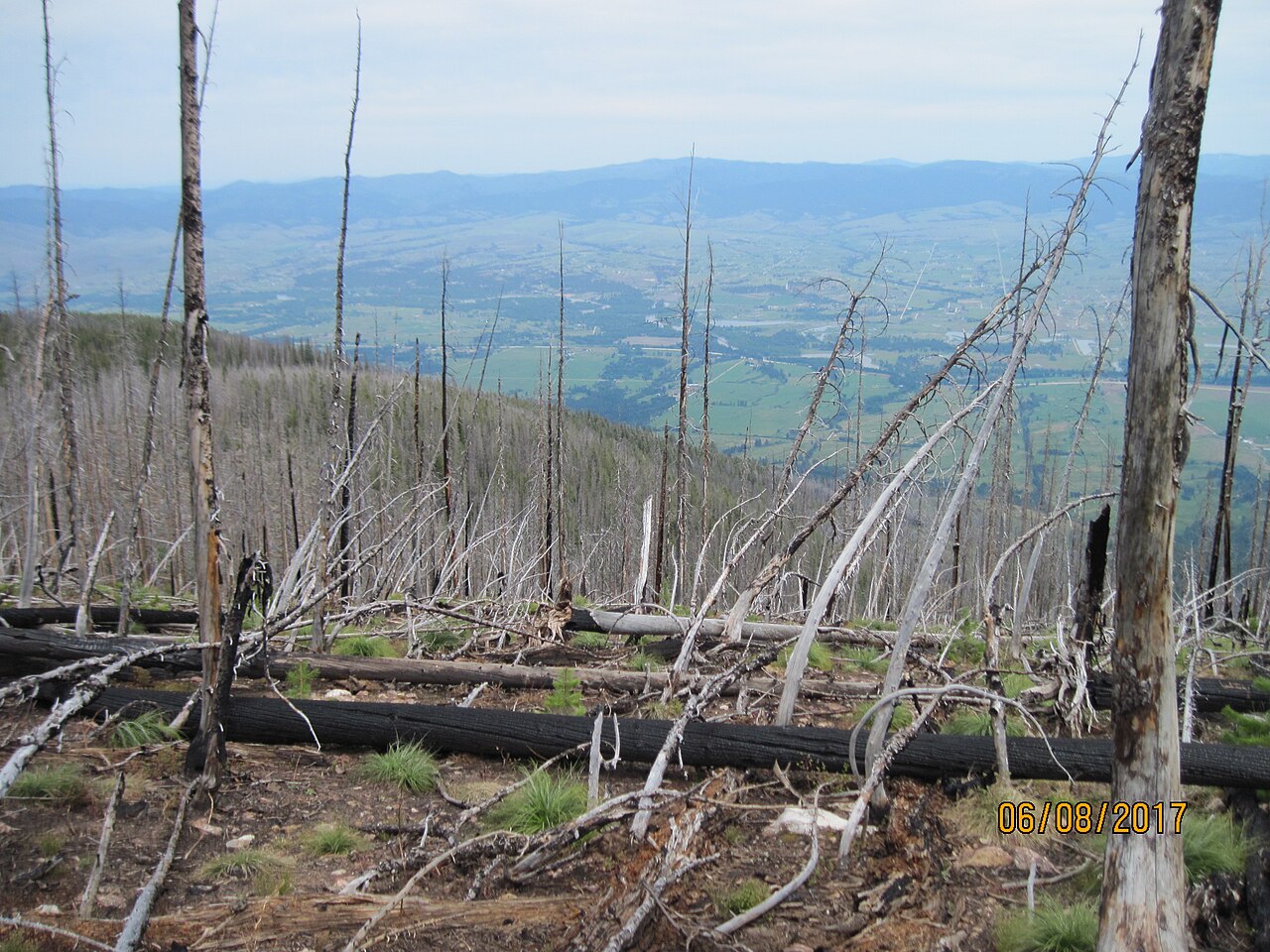
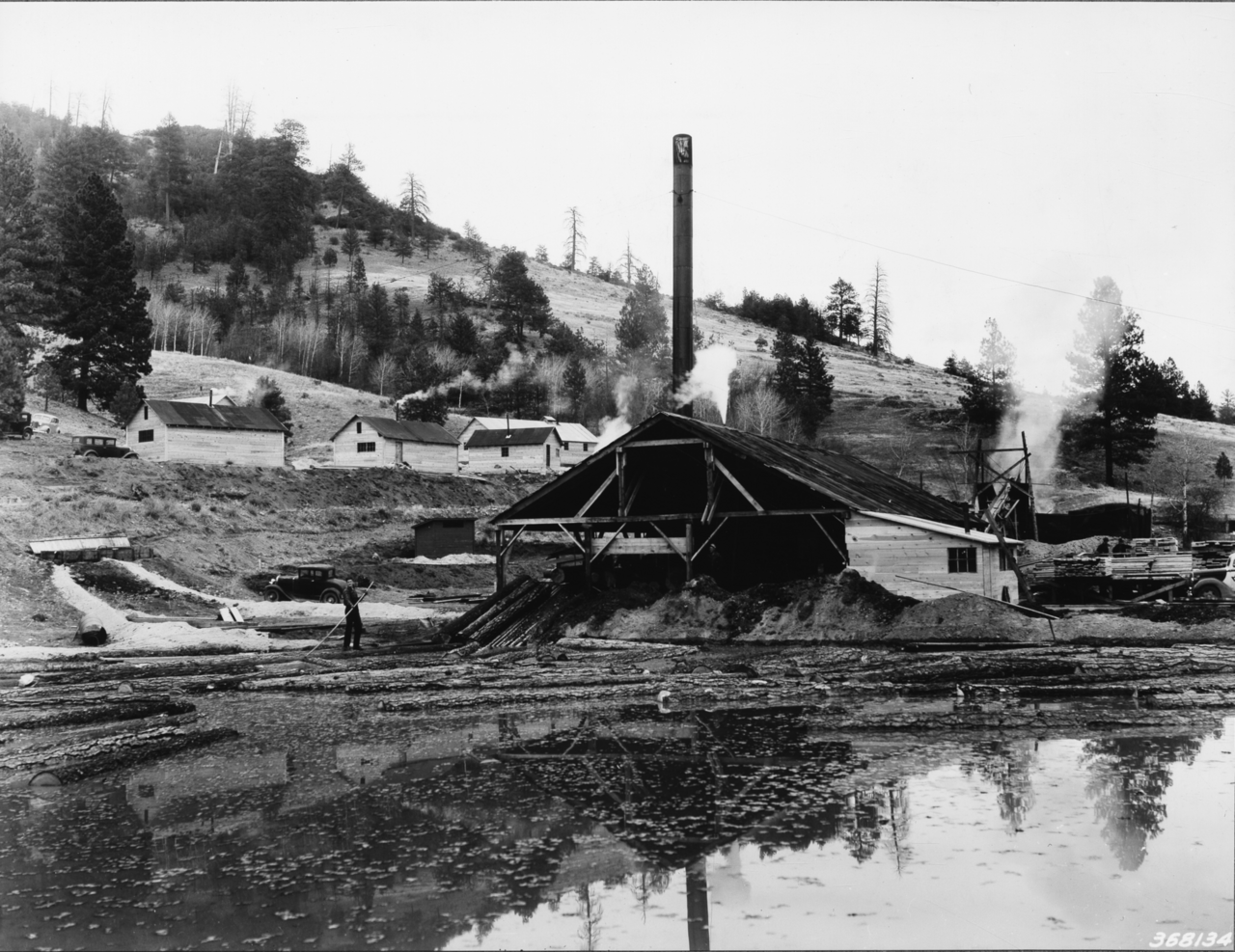
 Illustrative · Forest Service Northern Region from Missoula, MT, USA
St. Mary's Peak Hike
One of the classic ways to experience Bitterroot Valley.
Varies (estimate)
Partner link · Viator