
Big Bear Lake glamping is best approached as a search for outdoor atmosphere with the comforts your group actually needs. Around this mountain community, that may mean a well-equipped cabin or a furnished outdoor accommodation where available, rather than a guaranteed selection of safari tents. Start with the season, overnight temperatures, and bathroom setup, then choose a location that keeps your planned lake or mountain activities within a manageable drive.
What Glamping Looks Like Around Big Bear
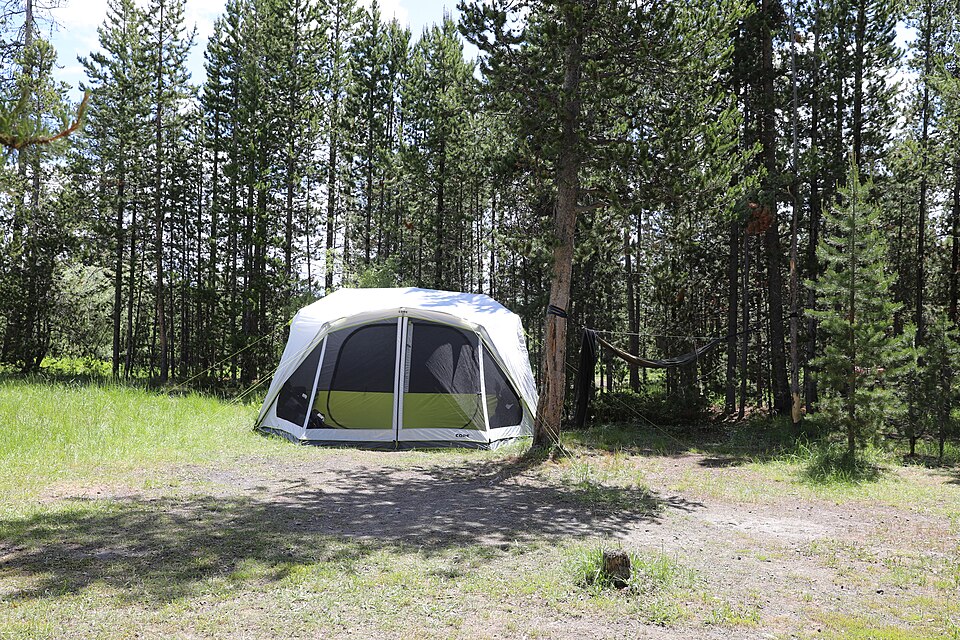
The word glamping can cover very different stays, from a furnished tent to a small cabin with a real bed and private bathroom. Around Big Bear, cabin-style lodging is an established option, while specific tent, yurt, or other specialty inventory should be verified rather than assumed. Read the accommodation details closely; attractive photos do not tell you whether heat, linens, or cooking equipment are included.
Before booking, confirm the bathroom arrangement, potable water, electricity, temperature control, parking, and distance from your vehicle to the sleeping space. Ask whether the property operates during your travel dates and how storms affect access. A fire pit, hot tub, or outdoor kitchen is not universal, and fire use may be restricted regardless of what the listing shows.
Where to Look: Lake Communities and Gateway Areas
Big Bear Lake puts you near the Village and many lake-oriented activities, though convenience varies by neighborhood. Big Bear City, east of the lake, can be a practical base when you do not need to stay beside the water. Fawnskin, on the north side, suits travelers interested in that side of the lake and nearby forest access. None of these locations guarantees a waterfront site.
Running Springs is farther west in the mountains and is better treated as a separate base with additional driving. San Bernardino, Redlands, and Riverside are lower-elevation gateway alternatives, not equivalent lakeside glamping locations. Compare the actual address with your planned outings, and check driveway grade, winter maintenance, and parking instructions before committing to a mountain property.
Choose the Season Around Your Sleeping Setup
Summer is the simplest starting point for travelers considering tent-style comfort, but mountain nights can still be chilly. Check the expected overnight temperatures and whether the accommodation supplies adequate bedding. Shade and ventilation matter during warm afternoons, especially in canvas structures. Shoulder-season stays need more flexibility because pleasant daytime weather can give way to much colder evenings.
Winter favors accommodations explicitly equipped for freezing conditions, with dependable built-in heat and clear access instructions. Do not assume a furnished tent is suitable for snow. Ask about winterized plumbing and storm cancellation policies. Before arrival, check Caltrans and official forest, park, or recreation websites for current conditions, access restrictions, fire rules, and any reservations needed for your outings.
What to Pack for a Comfortable Mountain Stay
Bring layers, a warm outer layer, sturdy footwear, sun protection, water bottles, and a headlamp even when your accommodation has electricity. For a tent-style stay, confirm whether bedding and towels are provided before leaving yours at home. Earplugs can help in shared outdoor settings, and a small daypack makes it easier to keep essentials together for walks and shoreline stops.
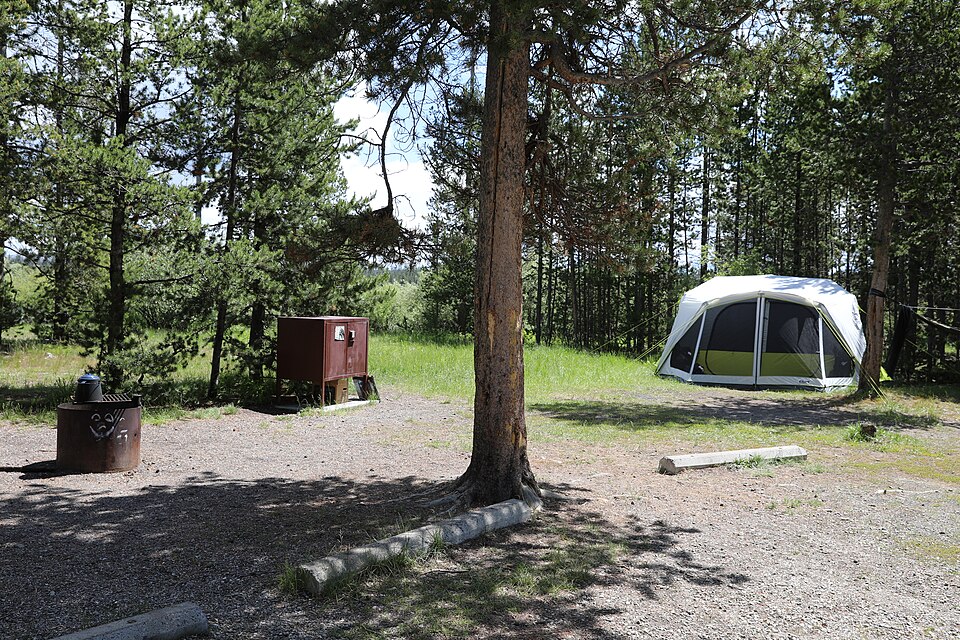
Add rain protection and season-appropriate traction supplies for your vehicle when needed. Check kitchen details before planning meals: a microwave, outdoor grill, and full kitchen support very different menus. Bring food storage appropriate to the property's wildlife rules, and never leave food outside overnight. Use only approved heating and cooking equipment; never bring a charcoal grill or camp stove into a sleeping enclosure.
Glamping vs. Camping vs. RV: Match the Trade-Offs
Glamping usually trades some self-sufficiency for a prepared sleeping space and fewer items to pack, but the comfort level varies widely. Traditional camping gives you more control over your setup and may cost less, while requiring your own equipment and more preparation for cold, rain, and food storage. Both can involve shared bathrooms and outdoor cooking.
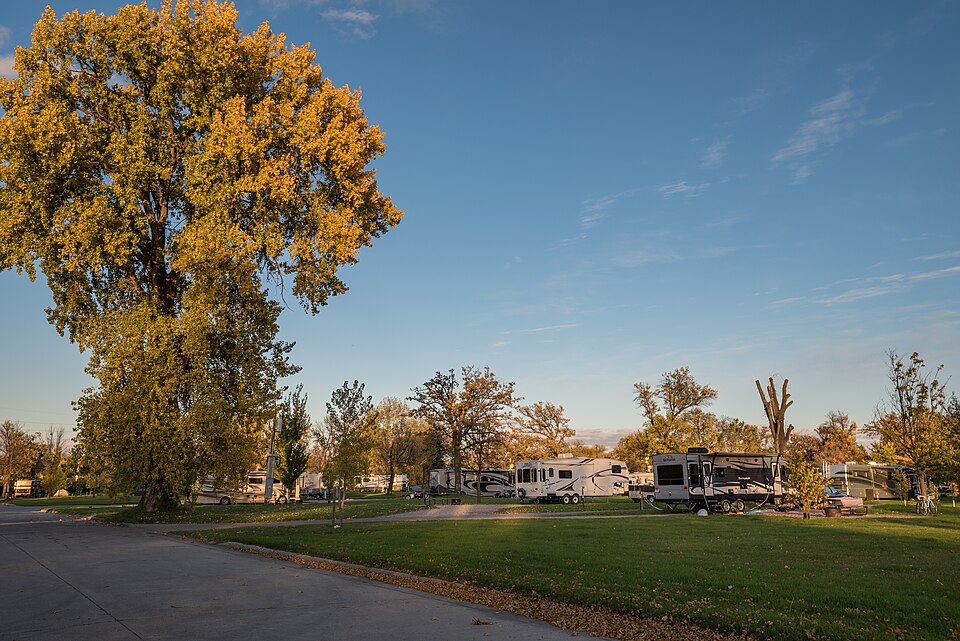
An RV adds an enclosed living space, but you still need to consider campsite size, hookups, waste disposal, winterization, and mountain-road handling. Compare total costs rather than labels: cleaning charges, bedding, equipment rentals, and transportation can change the picture. Check the official campground or park reservation site for availability and vehicle limits, and confirm private-property amenities directly. Choose the setup that matches your season and tolerance for chores.