
Berkshires glamping is a way to stay close to wooded hills and small towns without necessarily bringing a full camping setup. The label can cover very different accommodations, from furnished tents to small cabins, so the details matter more than the name. Choose your area around the hikes, museums, or performances you want to visit, then verify bathrooms, heating, cooking arrangements, and seasonal availability before you commit to a stay.
What Glamping Can Look Like Here
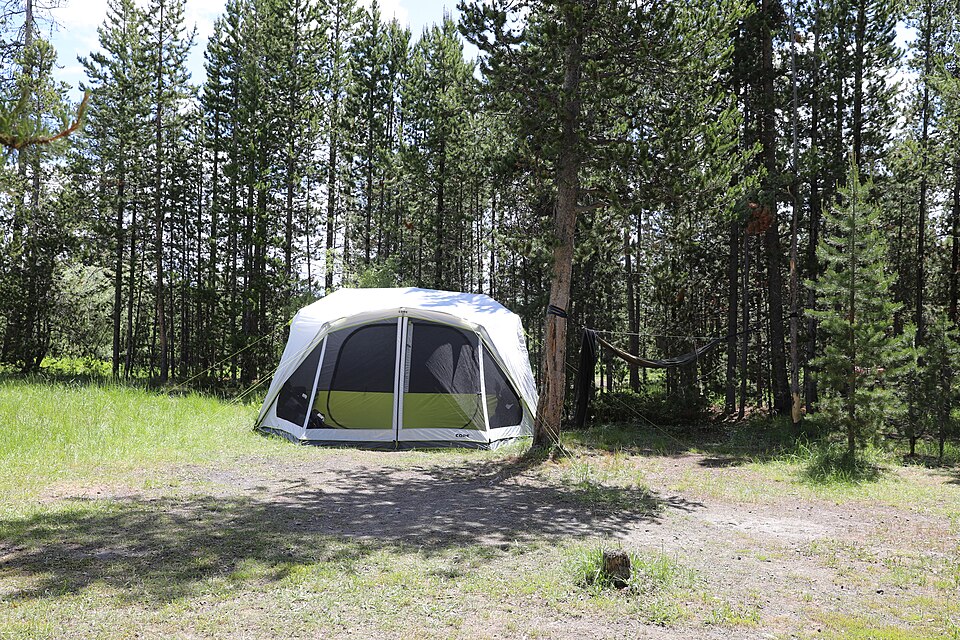
When searching the Berkshires and nearby countryside, you may encounter furnished canvas tents, platform tents, yurts, or cabin-style stays marketed as glamping. These are accommodation categories to investigate, not amenities to assume every property offers. A real bed does not necessarily mean a private bathroom, reliable heating, electricity, or a kitchen.
Read the full listing and ask about anything that affects comfort. Confirm whether bathrooms are private or shared, how far they are from the sleeping area, and whether bedding and towels are included. Also check vehicle access, luggage-carrying distance, lighting, and accessibility details. Photos can establish atmosphere, but written amenity descriptions and cancellation terms should guide the booking decision.
Where to Look: Match the Area to Your Plans
For easy access to Tanglewood, village walks, and the Norman Rockwell Museum, search around Lenox, Stockbridge, and the surrounding southern Berkshires. Great Barrington is another useful search area for a southern itinerary. Rural properties may sit well outside town centers, so use the actual address to check driving times rather than relying on a broad destination label.
Pittsfield and nearby communities can work for a more central base. For Mount Greylock, North Adams, and Williamstown outings, look farther north instead of planning repeated drives from Stockbridge. These are areas to search, not promises of a particular accommodation type. Confirm grocery access and whether late arrival is permitted before choosing a secluded location.
Best Seasons and When to Reserve
Summer offers long evenings and convenient access to the region's cultural season, but tent-style lodging can feel warm or humid and may not have air conditioning. Rain and insects are part of the experience. Fall brings cooler nights and foliage-focused trips, making verified heating and adequate bedding especially important as the season progresses.
Spring can be damp and muddy, while winter stays require genuinely winter-ready lodging rather than a tent with an appealing description. Some properties operate only seasonally. Start searching months ahead for summer performance weekends and fall foliage dates, especially if you need a private bathroom or family-sized accommodation. Confirm operating dates, weather-related cancellation terms, and current access arrangements directly with the host.
What to Pack and What to Confirm
Pack layers, a rain jacket, comfortable walking shoes, a headlamp, and insect repellent. A warm layer is useful even when the afternoon forecast looks mild. Bring toiletries and any towels or bedding the host does not supply, plus a reusable water bottle and a charging backup if electricity is limited. Earplugs can help light sleepers adjust to outdoor sounds.
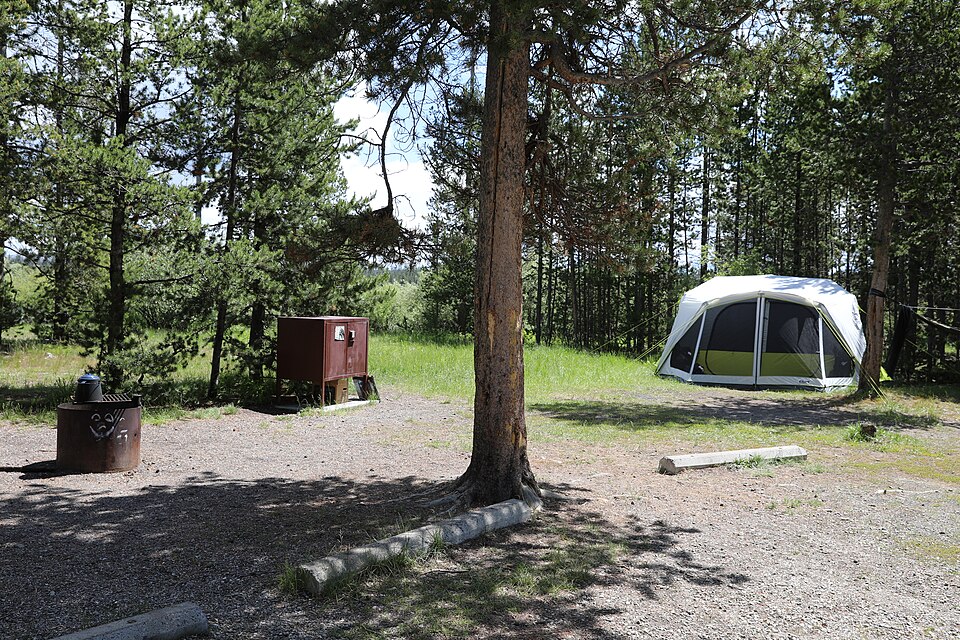
Before packing food, confirm drinking-water access, refrigeration, cooking equipment, and food-storage rules. Ask whether fires are allowed and whether current restrictions apply; a pictured fire pit does not guarantee it can be used. Check official park or land-manager sites for nearby trail conditions and reservations, and follow property guidance on wildlife, waste, and quiet hours.
Glamping vs. Camping vs. an RV
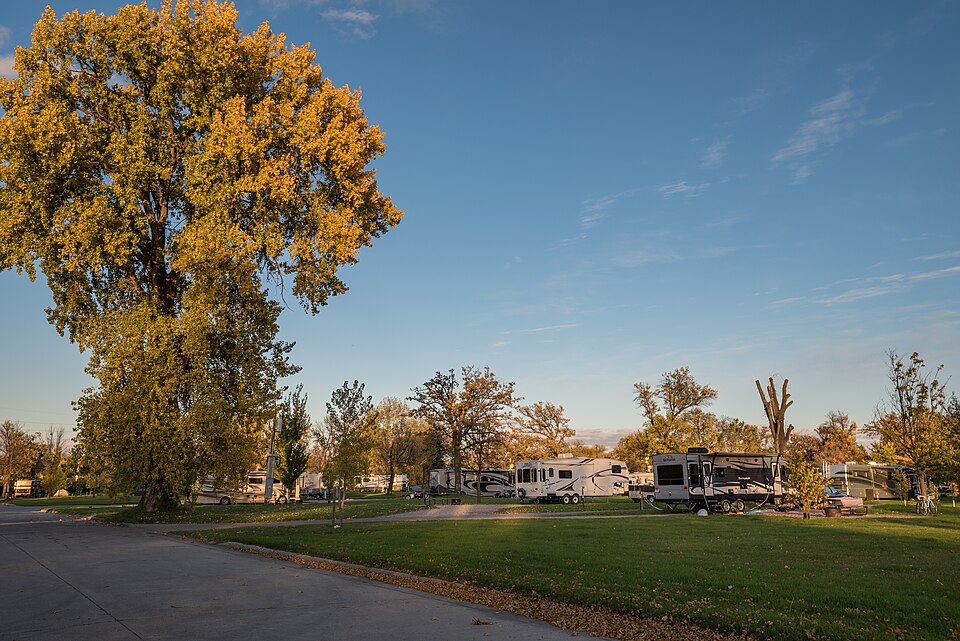
Glamping generally trades a higher lodging cost for less setup and more furnishings, though comfort varies widely. Traditional tent camping requires more equipment and weather preparation but can offer greater control over your setup. An RV provides an enclosed living space, yet adds vehicle logistics, campsite-size limits, and questions about hookups, water, and waste disposal.
Compare the full trip cost rather than the nightly headline alone. Cleaning charges, minimum stays, gear rental, campground fees, and fuel can change the calculation. Request current totals and treat any early estimate as approximate. Choose glamping for convenience, camping if you enjoy managing your own equipment, or an RV if its travel style fits your group and the campground's access requirements.