
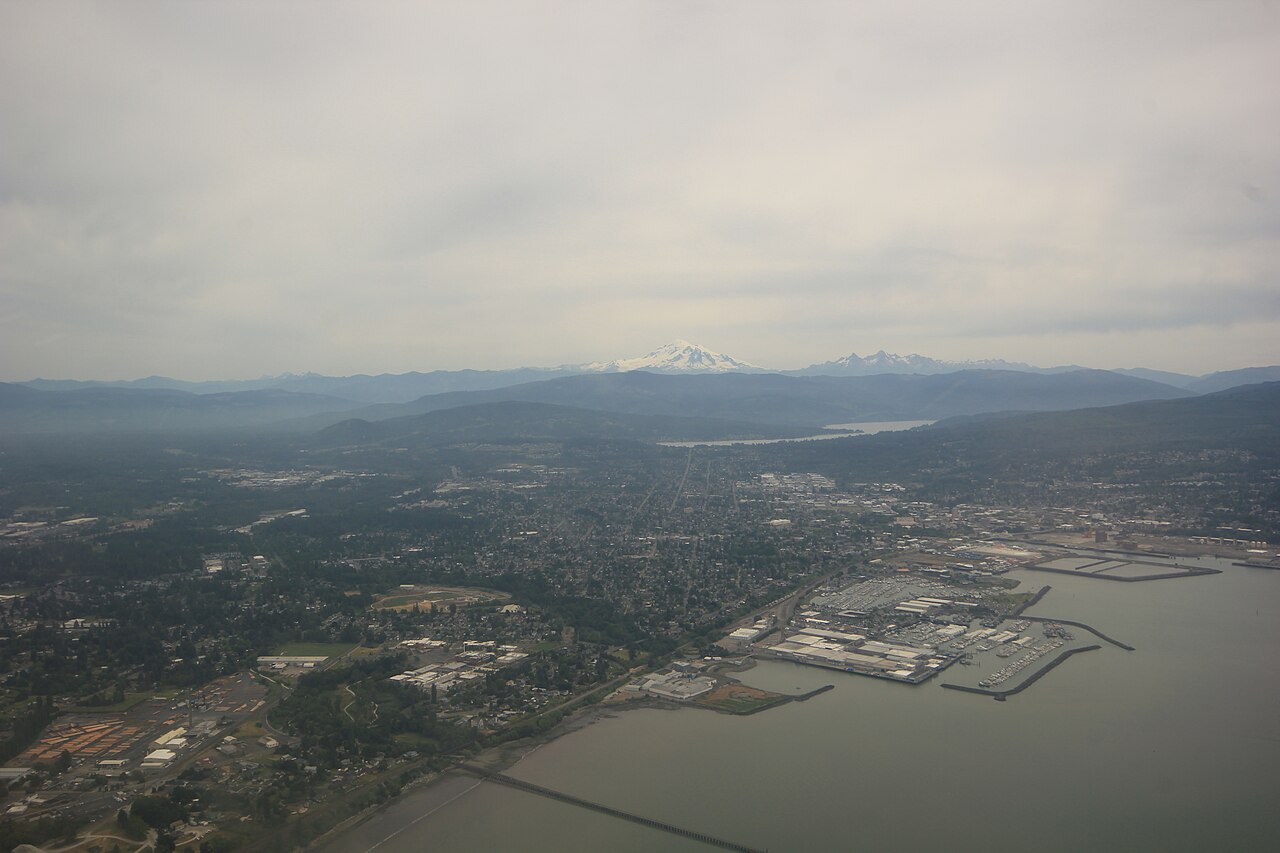
Choosing the best time to visit Bellingham depends entirely on whether you prefer salt spray and mountain trails or fresh powder and cozy bayside retreats. Nestled between the Puget Sound and the rugged peaks of the North Cascades, this corner of Washington offers a distinct four-season experience. While summer is the most popular window for outdoor exploration, each season carries its own charm, from the vibrant colors of the fall harvest to the misty, moody mornings of a Pacific Northwest winter.
Summer Sun and Peak Season
Summer, particularly from July through early September, is widely considered the best time to visit Bellingham for outdoor enthusiasts. During these months, the typical Pacific Northwest rain takes a hiatus, replaced by long, sunny days and mild temperatures usually hovering in the 70s. This is the prime window for exploring the high-elevation trails near Mount Baker, as the snowpack finally melts away to reveal vibrant wildflower meadows and alpine lakes.
In town, the waterfront comes alive with kayakers, paddleboarders, and sailors navigating the calm waters of Bellingham Bay. However, because this is the peak tourist season, you should expect higher demand for accommodations and busier trailheads. Popular spots like Larrabee State Park or the interurban trails see significant foot traffic on weekends. Planning your outdoor excursions for weekdays during the summer can help you find a bit more solitude while still enjoying the most reliable weather the region has to offer.
Fall Colors and Harvest Vibrancy
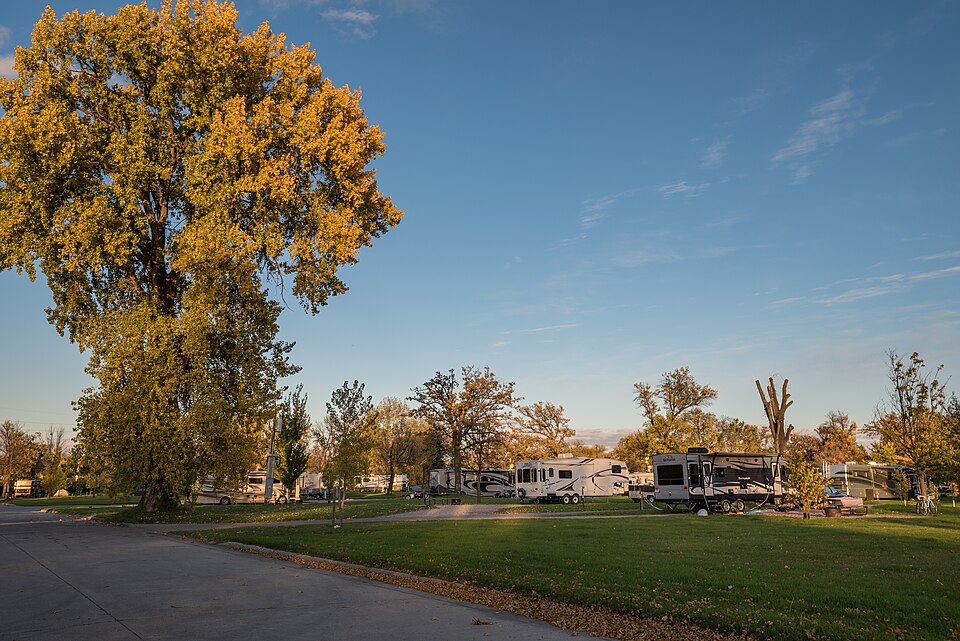
September and October bring a cooling trend that transforms the landscape into a tapestry of gold, orange, and deep red. Many locals argue that early autumn is the true best time to visit Bellingham, as the summer crowds thin out but the weather remains relatively stable. The air becomes crisp, making it the perfect climate for hiking the Chuckanut Mountains without the summer heat. This is also a fantastic time for foodies, as the surrounding Skagit and Whatcom counties celebrate the harvest season with local festivals and farm-to-table events.
As you move into late October, the rains begin to return, and the higher mountain passes may see their first dustings of snow. If you enjoy photography, the contrast between the evergreen forests and the deciduous maples along Chuckanut Drive provides some of the most stunning coastal views in the state. Just be prepared for shorter daylight hours and carry extra layers for the sudden evening temperature drops characteristic of the Northwest.
Winter Adventures and Mountain Snow
Winter in Bellingham is defined by its proximity to the Mount Baker Ski Area, which frequently holds world records for annual snowfall. From December through March, the city serves as a basecamp for skiers and snowboarders headed into the Cascades. While the mountains are buried in white, the city itself rarely sees heavy snow, instead experiencing a consistent pattern of light rain and mist. Temperatures in town usually stay above freezing, ranging from the mid-30s to the low 40s.
For those who don't mind a bit of damp weather, winter offers a quiet, contemplative experience. You can enjoy the local arts scene, cozy coffee shops, and historic districts without any of the summer hustle. Birdwatchers also find this season rewarding, as thousands of migratory birds, including eagles and swans, congregate in the nearby flats and estuaries. If you plan to head into the mountains, ensure your vehicle is equipped for winter driving conditions, as the Highway 542 ascent can be challenging.
Lock in a stay for this season
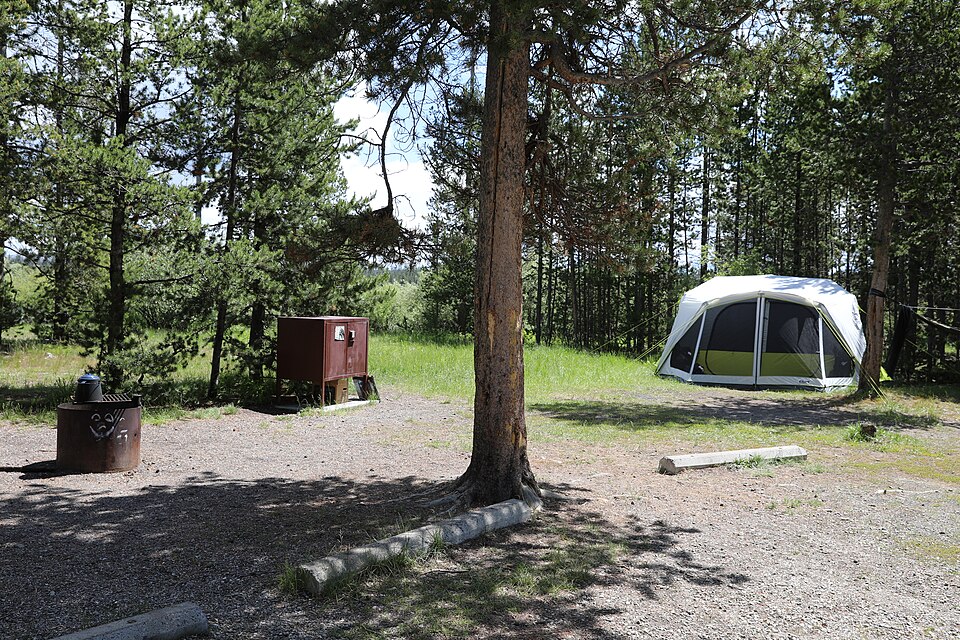
Harvest Hosts stays on the way to Bellingham
Partner link · Harvest Hosts
Spring Blooms and Rushing Waterfalls
Springtime in Bellingham, spanning from April to June, is a season of dramatic transition. As the lowland snow melts and the spring rains continue, the regionâs waterfalls, like those at Whatcom Falls Park, reach their peak flow and become truly spectacular. The landscape turns an impossibly bright shade of green, and the famous Skagit Valley tulip fields just south of the city burst into color, drawing visitors from across the globe. This is a unpredictable time for weather, where you might experience a sun-drenched morning followed by a sudden afternoon shower.
Hiking at lower elevations is excellent during this time, though high-altitude trails remain inaccessible due to lingering snow. The cityâs parks and gardens begin to bloom, and the waterfront starts to buzz again with early-season boaters. It is a budget-friendly time to visit, as lodging rates are often lower than in mid-summer, provided you avoid major holiday weekends or the peak of the tulip festival in April.
Navigating Crowds and Reservations
Because Bellingham is a gateway to both the San Juan Islands and the North Cascades, timing your reservations is critical. For a summer visit, it is wise to book your lodging and ferry tickets at least three to four months in advance. Campsites at popular locations like Larrabee State Park or Silver Lake often fill up the moment reservation windows open. If you are visiting during the winter for skiing, weekend accommodations near the mountain can be scarce, so mid-week stays are highly recommended for better availability and shorter lift lines.
Always check the official National Park Service or Washington State Parks websites before your trip. These resources provide essential updates on trail closures, forest fire smoke alerts in late summer, and road conditions in the winter. While Bellingham is welcoming year-round, being mindful of the seasonal shifts ensures you have the right gearâwhether that means a sturdy rain jacket for a spring stroll or crampons for a winter mountain trek. A little preparation goes a long way in this rugged and beautiful environment.
More ways to book Bellingham
 Illustrative · Russel Wills
Whatcom Falls Park Exploration
One of the classic ways to experience Bellingham.
Varies (estimate)
Partner link · Viator