
The Beartooth Highway is often called the most beautiful drive in America, stretching 68 miles across the rugged mountains of Montana and Wyoming. This high-altitude corridor offers more than just scenic views; it is a gateway to alpine lakes, tundra hikes, and unique high-country recreation. Whether you are a casual motorist or an avid hiker, the opportunities for exploration here are truly world-class.
Iconic Scenic Overlooks
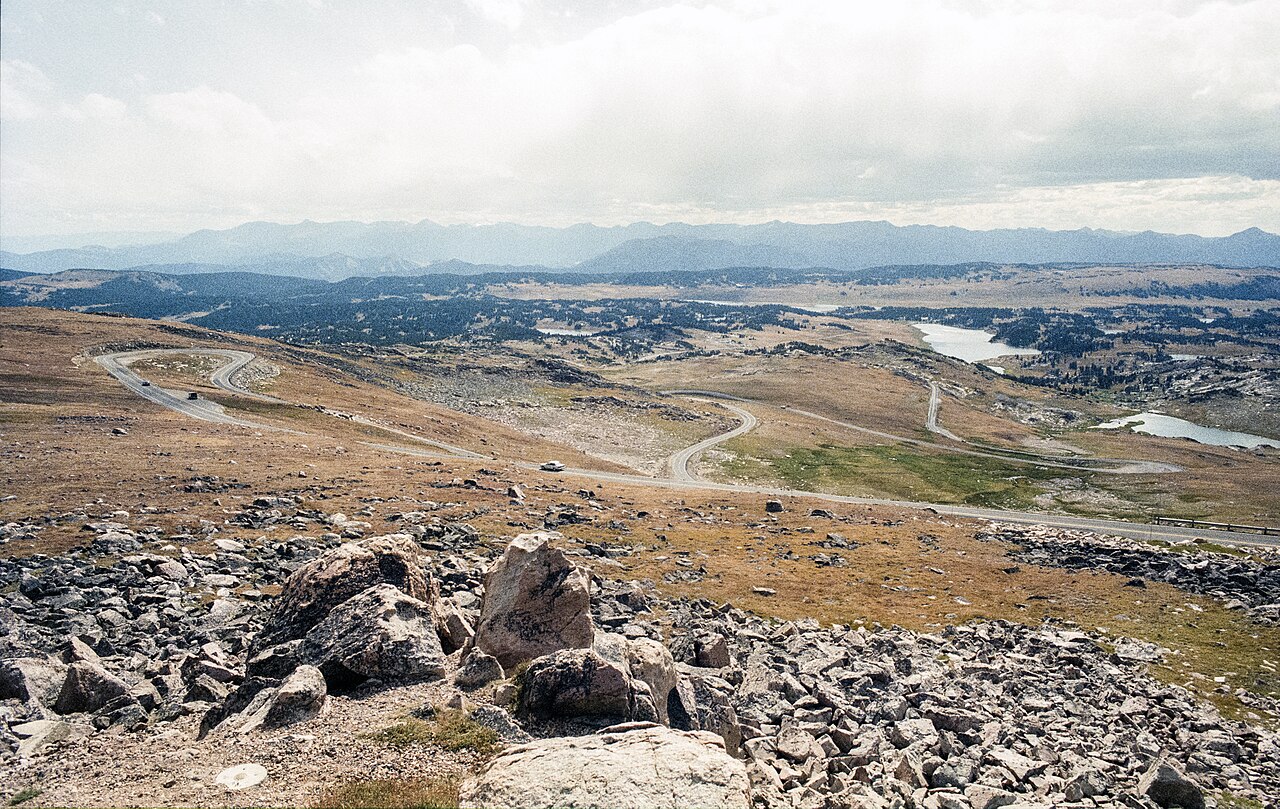
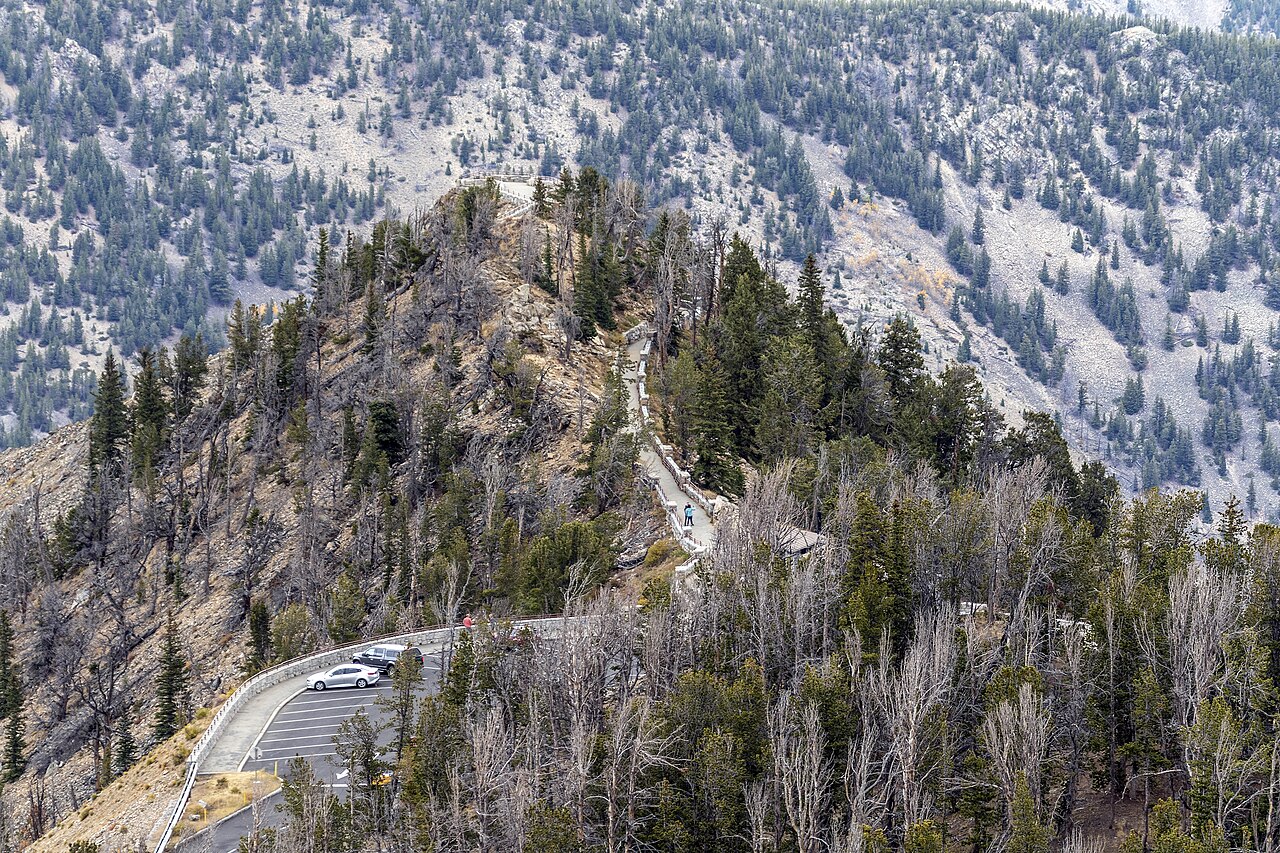
The primary draw of the highway is the sheer number of breathtaking vistas accessible right from your car. Rock Creek Vista Point, located just outside of Red Lodge, offers a paved walkway leading to a dramatic view of the glacial cirques and the winding switchbacks you just climbed. Further up, you will find the Beartooth Pass Summit, sitting at 10,947 feet, where you can step out onto the alpine tundra and look across a sea of peaks.
Another essential stop is the Island Lake lookout. The deep blue waters of Island Lake against the backdrop of rugged cliffs create one of the most photographed scenes in the region. These pullouts are great for those who want to experience the scale of the Rockies without a strenuous hike. Each overlook provides interpretive signs that explain the unique geology and the extreme environment of the Absaroka-Beartooth Wilderness, making every stop an educational experience.
High-Altitude Hiking Trails
For those looking to stretch their legs, the highway provides access to some of the finest high-country hiking in the United States. The Beartooth Loop National Recreation Trail is a favorite, offering a moderate path through meadows filled with wildflowers and past crystal-clear alpine ponds. If you are looking for something more challenging, the trail to Beauty Lake provides a stunning payoff with relatively low mileage, though the thin air at this elevation makes every step feel a bit harder.
Always remember that hiking at 10,000 feet requires preparation. The weather can change in minutes, turning a sunny stroll into a cold, wet ordeal. Stick to established paths to protect the fragile tundra ecosystem, which takes decades to recover from a single footstep. Carrying a topographic map and checking current trail conditions at the ranger station in Red Lodge is highly recommended before heading into the backcountry.
Water Features and Alpine Lakes
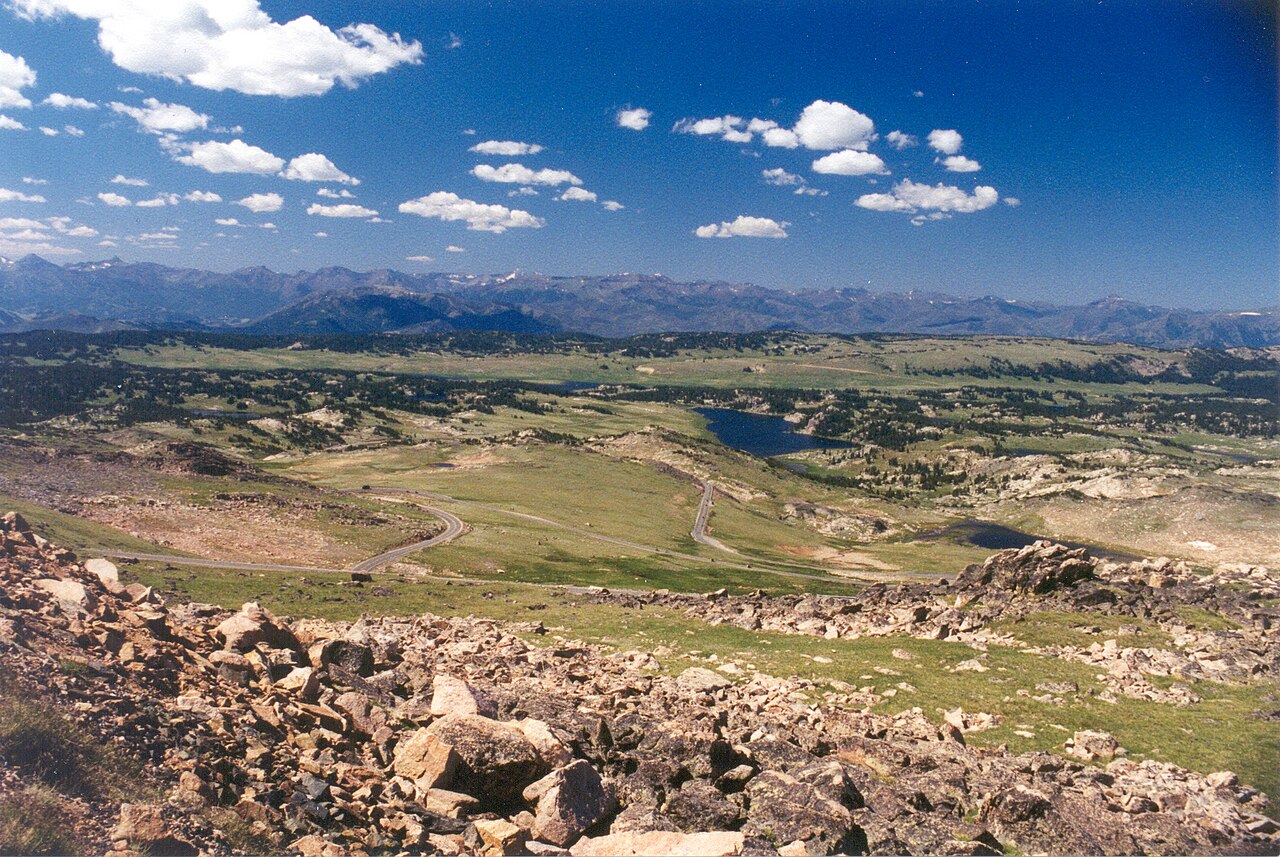
The Beartooth plateau is dotted with hundreds of glaciated lakes, many of which are easily accessible from the road. Beartooth Lake is a central hub for activity, offering a boat ramp and a picturesque picnic area beneath the towering Beartooth Butte. It is a popular spot for trout fishing, though you will need the appropriate state fishing license for either Montana or Wyoming depending on which side of the border you are on.
For a different water experience, stop at the many roadside waterfalls that appear during the spring melt. The sound of rushing water is a constant companion during the early summer months. While the lakes are often too cold for a long swim, they are perfect for launching a kayak or paddleboard to see the mountains from a different perspective. The clarity of the water at this altitude is remarkable, often allowing you to see deep into the rocky lake beds.
Family-Friendly Exploration
Traveling with kids on the Beartooth Highway is an adventure in itself. The 'Top of the World' store is a mandatory stop for families, offering snacks, souvenirs, and a chance to see a historic mountain outpost. Children will enjoy spotting marmots and pikas among the rocks; these hardy little mammals are frequently seen scurrying near the parking areas. The dramatic switchbacks themselves are a thrill for older children, though those prone to motion sickness should be prepared.
Short walks around the lakes offer plenty of space for kids to burn off energy. Educational displays at the larger overlooks can turn the drive into a science lesson about glaciers and the ice age. Be sure to pack plenty of snacks and water, as the high altitude can lead to dehydration quickly. It is also a good idea to bring binoculars so the kids can scan the distant slopes for mountain goats or bears.
Rainy Day Activities and Wildlife
If the clouds roll in and the rain starts, the drive remains spectacular as the mountains take on a moody, misty atmosphere. A rainy day is a great time to visit the gateway towns. In Red Lodge, you can explore the Carbon County Historical Society and Museum to learn about the area's mining history. In Cooke City, the local general stores offer a glimpse into the rugged lifestyle of one of the most remote towns in the lower 48.
Wildlife spotting is actually often better in overcast or drizzly weather. Keep an eye out for grizzly bears, black bears, moose, and elk, particularly in the lower elevations near the forest line. Remember to always maintain a safe distanceâat least 100 yards from bears and 25 yards from other large animals. Never feed the wildlife, as it is dangerous for both you and the animals. Checking the official NPS website for wildlife safety tips is essential for any visitor to this wild corridor.