
For those who love the idea of sleeping under the stars but prefer a real mattress and a hot shower, glamping at Bear Lake offers the perfect middle ground. This region has embraced the luxury camping trend, providing a variety of upscale outdoor accommodations that allow you to immerse yourself in the mountain scenery without sacrificing comfort. Whether you are staying in a custom-designed wall tent or a modern sheep wagon, glamping provides a unique way to experience the high-altitude beauty of the Utah-Idaho border.
What Glamping Looks Like Here
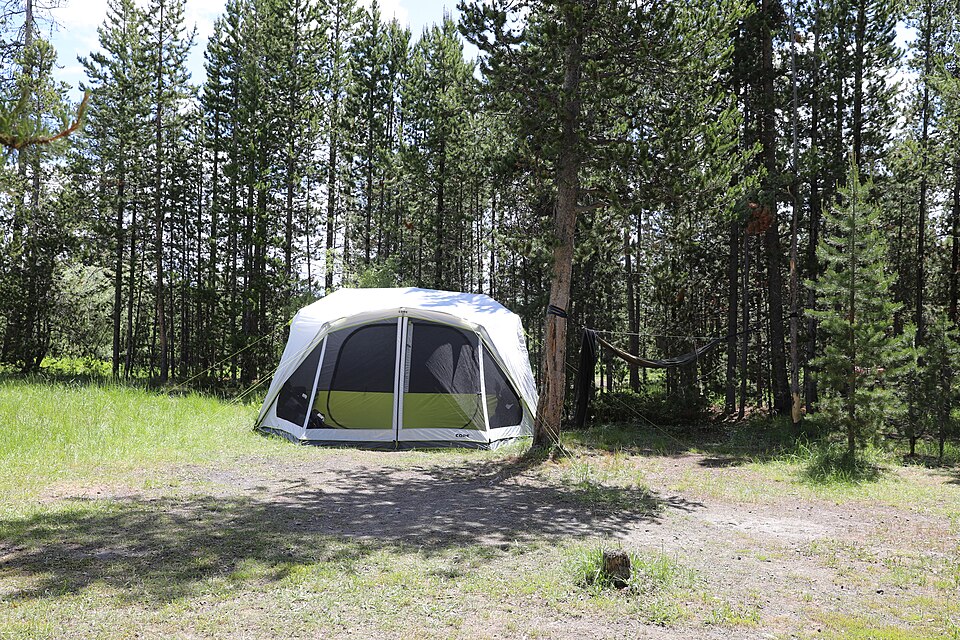
Glamping at Bear Lake typically involves staying in semi-permanent structures designed to blend into the natural landscape while offering interior comforts. Many sites feature large canvas safari-style tents built on wooden platforms, equipped with comfortable beds, high-quality linens, and often private decks for morning coffee. Some locations take inspiration from the region's agricultural roots, offering stays in renovated sheep wagons or cozy cabins that provide more protection from the elements than a standard tent.
The focus is on the 'outdoor' part of the experience, with communal fire pits, outdoor kitchens, and shared lounge areas that encourage socializing with other travelers. However, the 'glamour' comes from the amenities: you might find electricity for charging devices, decorative lighting, and even en-suite or nearby luxury bathhouses. It is an ideal setup for families or couples who want the campfire experience without the hassle of pitching a tent or sleeping on the ground. The aesthetic is often 'mountain chic,' using natural wood and rustic textiles to create a warm, inviting atmosphere.
Where to Find Glamping Sites
Most glamping opportunities in the Bear Lake area are concentrated near Garden City, Utah, and the surrounding hillsides. This location provides easy access to the lake's amenities, dining, and marinas while still offering a sense of seclusion. Some sites are perched on the ridges overlooking the water, providing spectacular sunrise views, while others are tucked into the canyons leading away from the lake, offering more shade and a forest-like environment.
Further north, near the town of St. Charles, Idaho, you may find smaller, more rustic glamping setups that cater to those visiting Minnetonka Cave or the Bear Lake National Wildlife Refuge. These northern sites tend to be quieter and offer a more rural experience. When choosing a location, consider how much time you want to spend at the beach versus hiking in the mountains. Sites closer to the main highway offer convenience, while those further back into the hills provide a darker sky for stargazing and a deeper sense of immersion in the quiet of the Bear River Range.
The Glamping Season
Because most glamping structures are made of canvas or lack heavy insulation, the season is generally limited to the warmer months. Most sites open in late May or early June and operate through September. Visiting during the peak of summer ensures the warmest nights, but even in July, temperatures in the valley can drop into the 40s or 50s overnight. Many glamping hosts provide extra blankets or even small portable heaters to keep guests comfortable during these chilly mountain nights.
Late summer and early fall are particularly beautiful for glamping, as the air is crisp and the bugs are fewer. However, be aware that wind can be a factor at Bear Lake; the afternoon breezes that make the water so refreshing can occasionally turn into strong gusts in the canyons. Always check the weather forecast before your arrival and communicate with your host regarding any specific gear recommendations. Booking early is essential, as these unique accommodations are highly sought after and often fill up months in advance, especially for weekends during the Raspberry Days festival in August.
Glamping vs. Camping vs. RVs
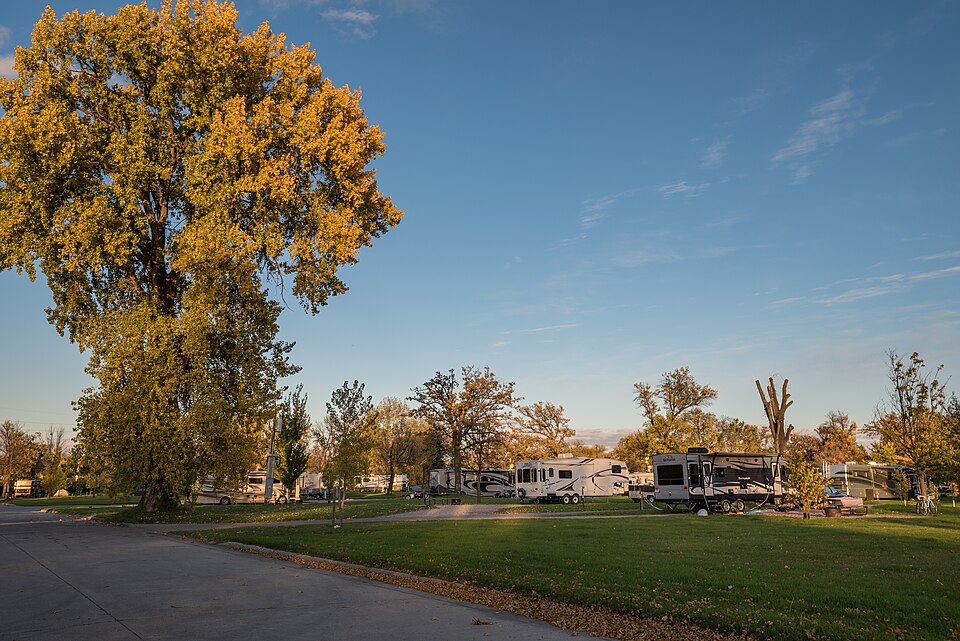
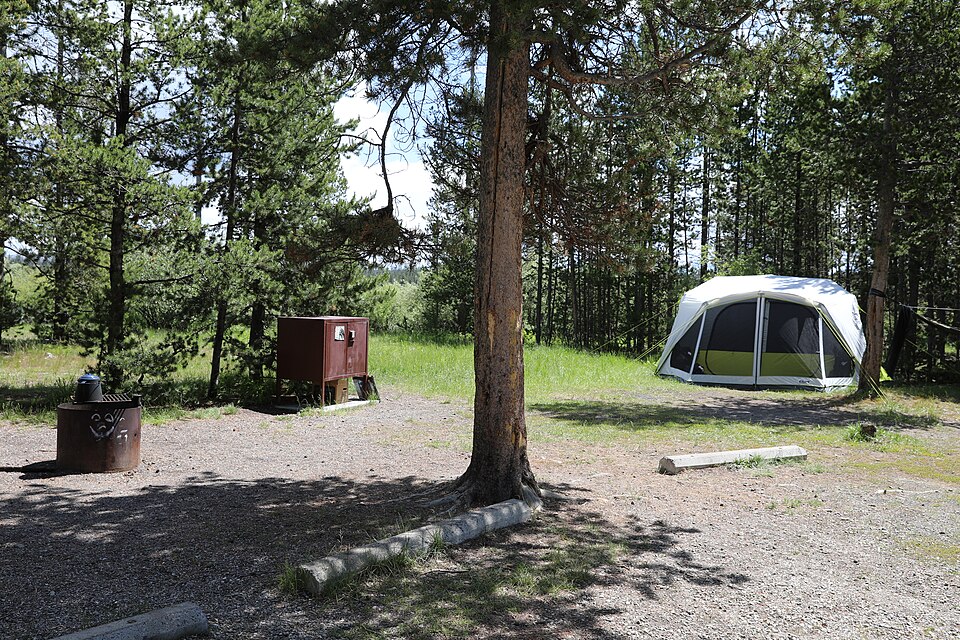
Choosing between glamping, traditional camping, and RVing depends on your desired level of comfort and preparation. Traditional camping in state parks like Rendezvous Beach or North Beach is the most budget-friendly option and keeps you closest to the water, but it requires hauling all your own gear and sleeping on the ground. RVing is very popular at Bear Lake, with several large parks offering full hookups, but it requires owning or renting a large vehicle and navigating mountain passes.
Glamping stands out by removing the logistical burden of camping. You don't need to pack a stove, tent, or sleeping bag; you simply show up and start your vacation. It provides a more curated, aesthetic experience than an RV park and often offers more privacy than a crowded state park campground. While it is generally more expensive than a standard campsiteâcloser to the cost of a hotel roomâthe value lies in the unique atmosphere and the immediate access to nature. For many, the ability to enjoy a campfire and a star-filled sky without the discomfort of 'roughing it' makes glamping the superior choice for a memorable weekend getaway.
Essential Glamping Tips
To make the most of your glamping experience, treat it as a hybrid between a hotel stay and a camping trip. Even though a bed is provided, you are still in a tent-like structure, so bring earplugs if you are a sensitive sleeper, as the sounds of nature (and neighbors) are more audible through canvas walls. Bring a good headlamp or flashlight for navigating the site at night, as paths may be dimly lit to preserve the dark sky experience.
Food storage is an important consideration; while some glamping sites provide coolers or small refrigerators, you are still in wildlife country. Always follow the host's instructions regarding trash and food to avoid attracting local animals like raccoons or even the occasional stray bear. Finally, remember that you are at high altitude. Stay hydrated, wear plenty of sunscreen during the day, and embrace the slower pace. Checking the official NPS or local tourism sites for current fire restrictions is also vital, as campfires may be prohibited during dry spells in the summer. With a little preparation, glamping at Bear Lake can be the most relaxing way to enjoy the 'Caribbean of the Rockies.'