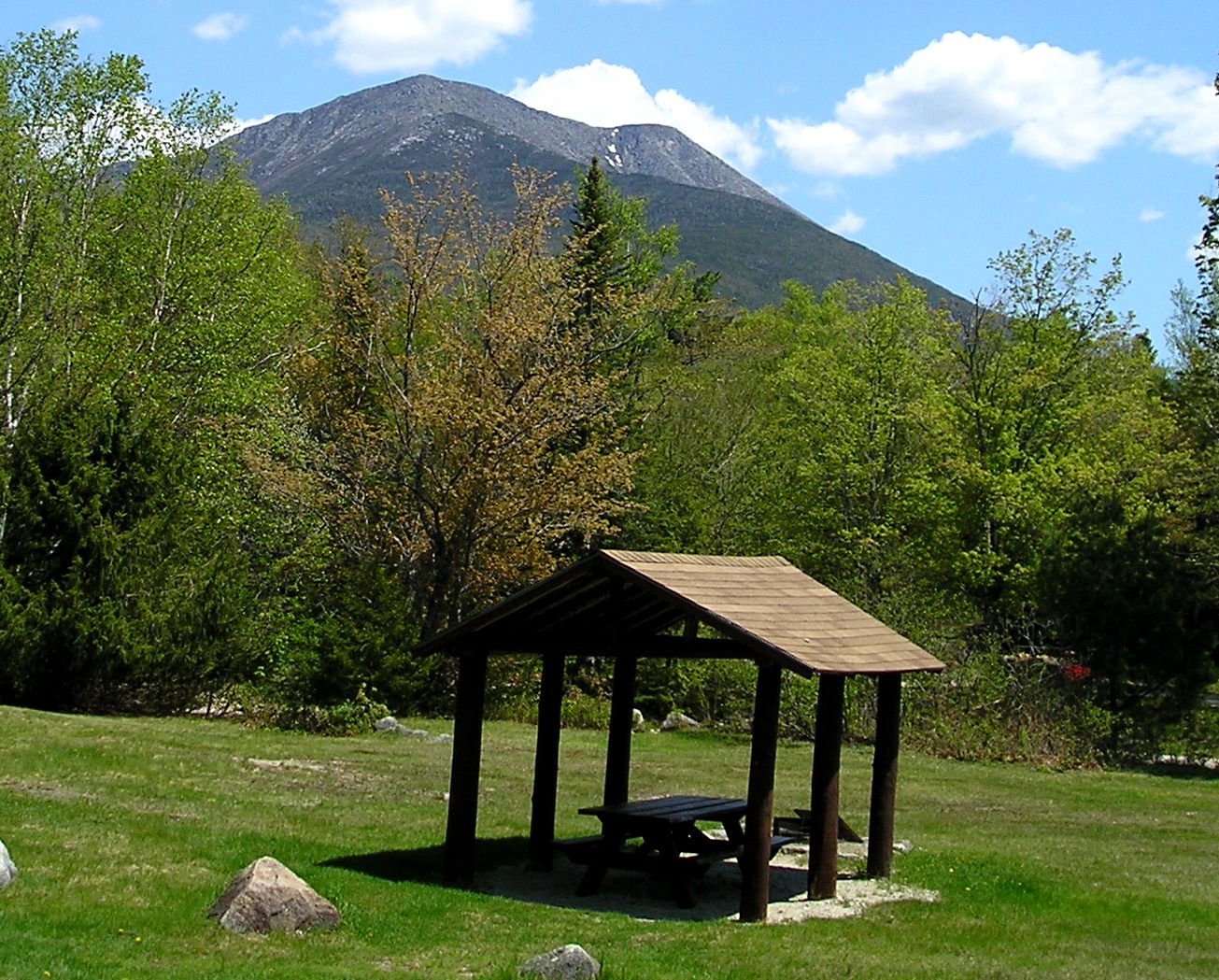
Baxter State Park rewards travelers who slow down enough to enjoy both its mountain skyline and its smaller details: a quiet pond, a forest trail, or an evening at camp. Katahdin is the headline attraction, but you do not need a summit attempt to build a satisfying three- to five-day visit. Choose activities that fit your group, and check the official park website for access, parking reservations, and current conditions before heading out.
Hike Katahdin or Choose a Lower Mountain
Katahdin’s Baxter Peak marks the northern terminus of the Appalachian Trail and is the park’s signature hiking objective. Reaching it is a strenuous, full-day undertaking on rough terrain, not a casual sightseeing walk. Route choice matters, and the exposed Knife Edge should never be treated as a required part of a visit.
Match your hike to experience, weather, and available daylight. Confirm access and any parking reservation requirements for your chosen trailhead, and carry navigation, food, water, layers, and a headlamp. For a less committing mountain outing, consider a lower objective such as South Turner Mountain, while still checking trail difficulty and conditions. Turning back is a sensible outcome when weather or energy changes.
Explore Ponds and Look for Wildlife
The park’s ponds provide a quieter counterpoint to summit hiking. Sandy Stream Pond is known for mountain views and wildlife-watching opportunities, while the Kidney Pond and Daicey Pond areas offer woodland scenery and access to walking routes. Moose sightings are possible, especially around wet habitats, but never assured.
Watch animals from a distance and avoid approaching them for photographs. Binoculars make wildlife viewing more rewarding without crowding the shoreline. If paddling interests you, check where boating is permitted and whether canoe access or rentals are available during your visit. Wear a properly fitted life jacket, account for cold water and changing wind, and do not assume every pond offers equipment or an easy launch.

Take a Slow Scenic Drive and Short Walks
Baxter’s unpaved Park Tote Road links many developed access points through a largely forested landscape. It is better understood as a slow wilderness access road than a fast scenic highway. Mountain and water views often require stopping at a designated area and walking rather than simply watching scenery pass through the windshield.
Build a day around one section of the park instead of trying to cover every road. Combine a campground-area stroll, a pond visit, and a picnic at an established spot. Allow extra travel time for rough surfaces, wildlife, and low speeds. Fuel up outside the park, download maps beforehand, and check current road conditions and vehicle restrictions on the official park website.
Plan a Family Day Around Small Adventures
For many families, Baxter works best when the goal is exploration rather than mileage. Choose a short pond walk, look for animal tracks, listen for birds, and leave time for snacks and unstructured observation. The Daicey Pond area offers access to shorter outings, including routes toward Little and Big Niagara Falls; verify the distance and footing before choosing one.
Keep children close around moving water, slippery rocks, and steep banks. Waterfall visits are viewing outings, not an invitation to climb beside the current. Pack extra layers, insect protection, and more food than a short walk seems to require. A relaxed morning followed by time at camp can be more enjoyable than an ambitious family summit schedule.
Keep a Rainy-Day Plan Outside the High Peaks
Steady rain, thunderstorms, or low cloud can make a mountain day a poor choice. If conditions permit, a brief lower-elevation forest walk may still be enjoyable, but wet roots, rocks, and stream crossings deserve caution. Avoid exposed summits during thunderstorms and skip any route that exceeds your group’s comfort in wet conditions.
For a genuinely indoor backup, return to Millinocket or Patten for a meal, supplies, and whatever museums or visitor information facilities are currently open. Confirm seasonal schedules directly rather than expecting a full menu of indoor attractions inside the park. Cabin time, reading, and reorganizing gear can also make a useful rest day before another attempt at your main hike.