
Choosing the best time to visit Barataria Preserve is essential for navigating the subtropical climate of Southeastern Louisiana. While the preserve is a stunning tapestry of hardwood forests and marshes year-round, the humidity and temperature fluctuate wildly between seasons. For the most comfortable experience, visitors generally aim for the cooler months when the breeze off the wetlands is refreshing rather than stifling. Whether you are coming to see migratory birds or sunbathing alligators, timing your trip ensures you see the Delta at its most vibrant.
Spring Splendor in the Swamp
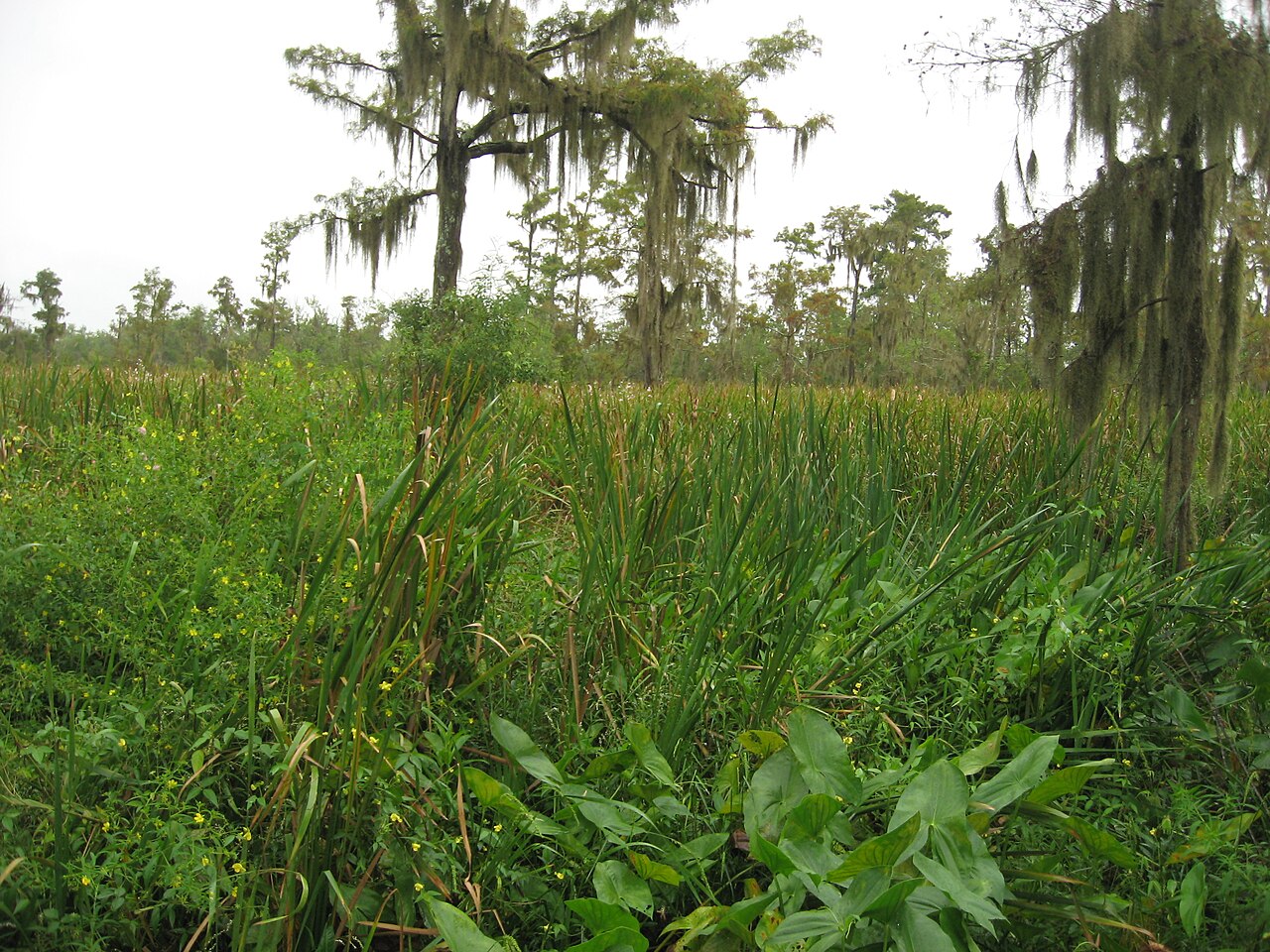
Spring is arguably the best time to visit Barataria Preserve for those who love blooming wildflowers and active wildlife. From March through May, the wetlands come alive as the winter chill fades. You will see the vibrant purple of the wild Louisiana iris peeking out from the marsh grass and the bright green of new cypress needles. This is a prime season for birdwatching, as many species pass through the Mississippi Flyway on their northward migration.
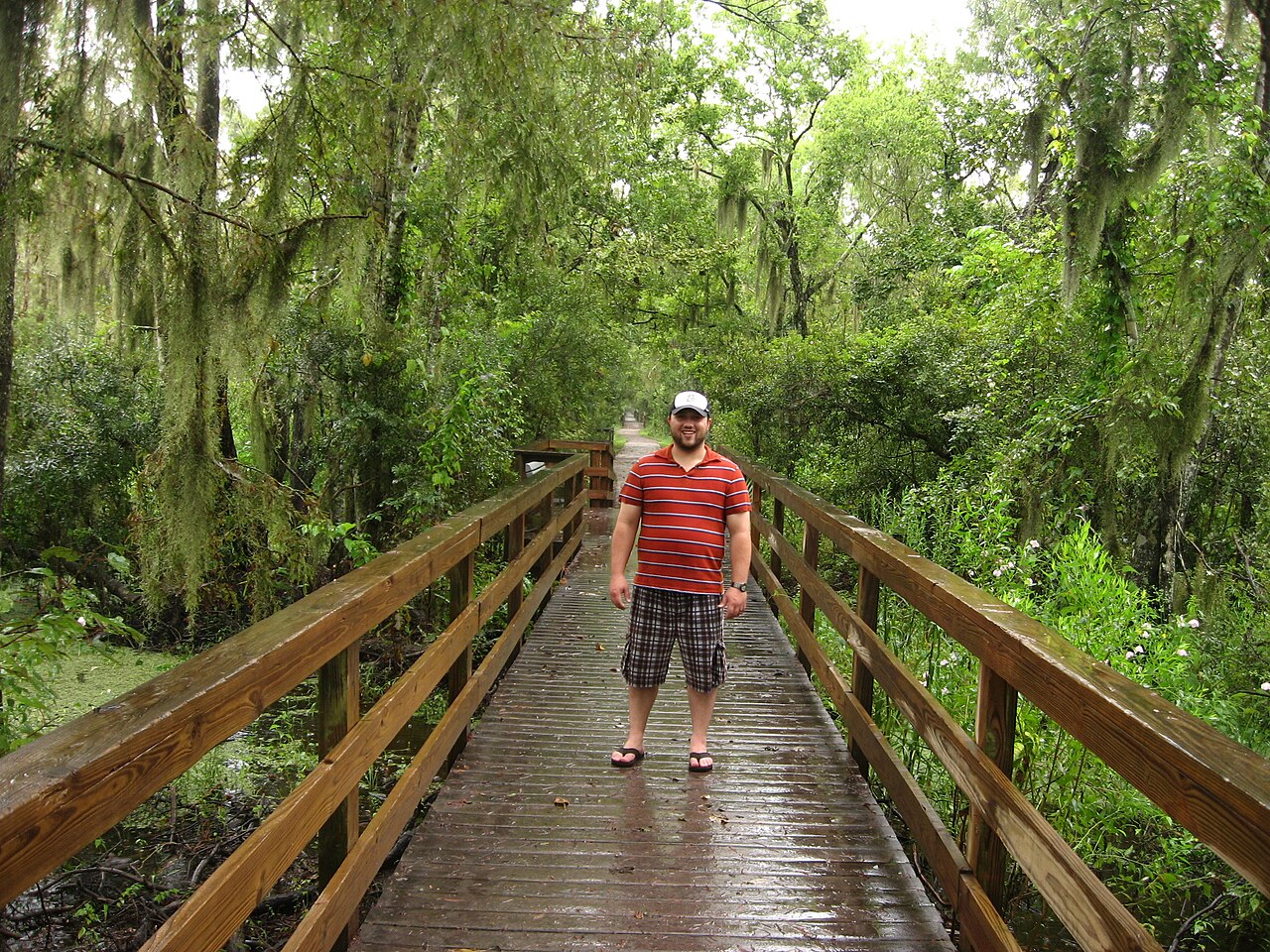
Temperatures are typically mild, ranging from the 60s to the 80s, though you should expect occasional spring showers. Because the weather is so pleasant, this is a popular time for local families and school groups to visit. If you want to avoid the busiest times, try visiting on a weekday morning. The humidity is manageable during this window, making the long wooden boardwalk trails comfortable for hiking without the intense heat that arrives later in the year.
Lock in a stay for this season
RV parks near Barataria Preserve on RoverPass
Partner link · RoverPass
Fall: Crisp Air and Clear Skies
As the summer heat retreats in October, the preserve enters a beautiful period of transition. The fall months bring lower humidity and clear, blue skies that reflect perfectly in the still swamp waters. This is an excellent time for photography, as the low sun creates long shadows through the Spanish moss hanging from ancient oak trees. The mosquitoes, which can be quite persistent in the summer, begin to thin out as the nights grow cooler.
By November, the deciduous trees start to change color, providing a unique palette of rust and gold against the evergreen palmettos. Wildlife remains active as animals prepare for the cooler winter months. You may spot deer moving through the hardwood forests or turtles basking on logs to catch the afternoon warmth. Fall is often considered the best time for those who want to hike the longer dirt trails, such as the Bayou Coquille, without the threat of overheating or heavy summer thunderstorms.
Lock in a stay for this season
Campsites near Barataria Preserve on Campspot
Partner link · Campspot
Winter: A Quiet Coastal Retreat
Winter in Southeastern Louisiana is relatively mild compared to the rest of the country, making Barataria a great escape for those fleeing the snow. From December through February, temperatures rarely drop below freezing for long, though a damp chill can settle in the swamp. The advantage of a winter visit is the lack of crowds and the absence of biting insects. The deciduous trees lose their leaves, opening up sightlines through the forest that are obscured in the summer.
This visibility makes it much easier to spot hawks and owls perched high in the cypress canopy. While alligators are less active and may be brumating in the mud, you can still catch them out on the banks during a particularly sunny winter afternoon. It is wise to dress in layers, as a foggy morning can quickly turn into a bright, warm day. Check the official NPS site for any seasonal trail maintenance or holiday closures during the winter months.
Lock in a stay for this season
Harvest Hosts stays on the way to Barataria Preserve
Partner link · Harvest Hosts
Summer Challenges and Wildlife Rewards
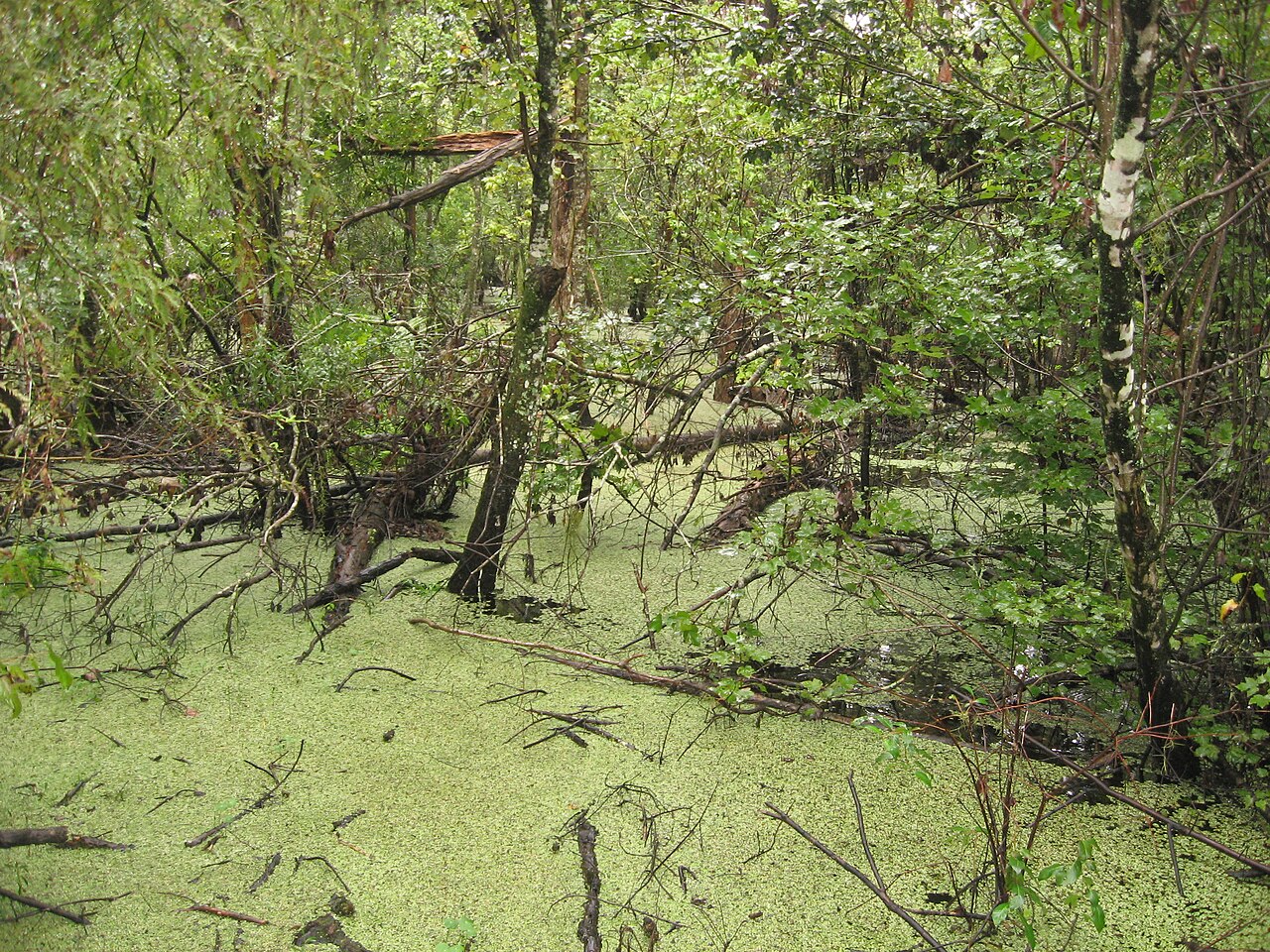
Visiting during the summer months of June through September requires preparation for extreme heat and high humidity. Temperatures frequently climb into the 90s, and the air can feel thick with moisture. However, the summer swamp is incredibly lush and green. This is the peak time for seeing alligators in large numbers, as they thrive in the heat and are often seen patrolling the waterways or resting in the shade of the lilies.
If you visit in the summer, it is best to arrive at sunrise when the air is slightly cooler and the wildlife is most active. Afternoon thunderstorms are a daily occurrence in the Louisiana summer, so plan to be off the trails by early afternoon. Mosquitoes and other biting insects are at their peak during this time, so wearing long, lightweight sleeves and using repellent is highly recommended. Despite the heat, the preserve offers a quiet, prehistoric beauty that is unique to the height of the growing season.
Reservations and Planning Your Arrival
Barataria Preserve does not typically require reservations for general entry or hiking, but it is always smart to check the official National Park Service website before you leave New Orleans. Some ranger-led programs, such as guided swamp walks or educational talks, may have limited capacity and require advanced sign-ups during the busy spring season.
Because the preserve is located just about 35 minutes from the city, it can get crowded on weekends with pleasant weather. To secure a parking spot near the visitor center or the popular Palmetto Trail, plan to arrive before 10:00 AM. If you are planning a trip during a major local event like Mardi Gras or Jazz Fest, expect higher traffic on the roads leading through Marrero and into the preserve. Always verify current trail conditions, as heavy rains can occasionally lead to temporary flooding on lower-lying boardwalks or dirt paths near the bayou's edge.
More ways to book Barataria Preserve
 Illustrative · Ken Lund
Alligator Spotting
One of the classic ways to experience Barataria Preserve.
Varies (estimate)
Partner link · Viator