
Timing your trip to Bankhead National Forest is the key to seeing its famous waterfalls at their peak flow. Located in northwestern Alabama, this lush wilderness transforms dramatically with the seasons, offering everything from misty spring mornings to vibrant autumn canopies. Whether you are looking for solitude in the Sipsey Wilderness or a family camping trip near Lewis Smith Lake, understanding the local climate ensures you catch the forest at its most scenic and accessible.
Spring: The Season of Waterfalls
Spring is widely considered the best time to visit Bankhead National Forest, particularly from March through May. This is when the "Land of a Thousand Waterfalls" truly earns its name. Heavy seasonal rains feed the sandstone canyons, sending curtains of water over high bluffs into the rocky creek beds below. During this period, the temperatures are mild, typically ranging from the mid-50s to the high 70s, making it ideal for long-distance hiking through the Sipsey Wilderness.
Wildflowers also begin to bloom along the trailheads, with mountain laurel and wild azaleas adding pops of color to the deep green forest floor. However, visitors should be prepared for muddy trails and higher water levels at creek crossings. If you plan on hiking the popular Sipsey Fork trails, trekking poles and waterproof boots are highly recommended. Because this is the most popular time for photographers and hikers, parking lots at trailheads like Borden Creek can fill up quickly on weekends.
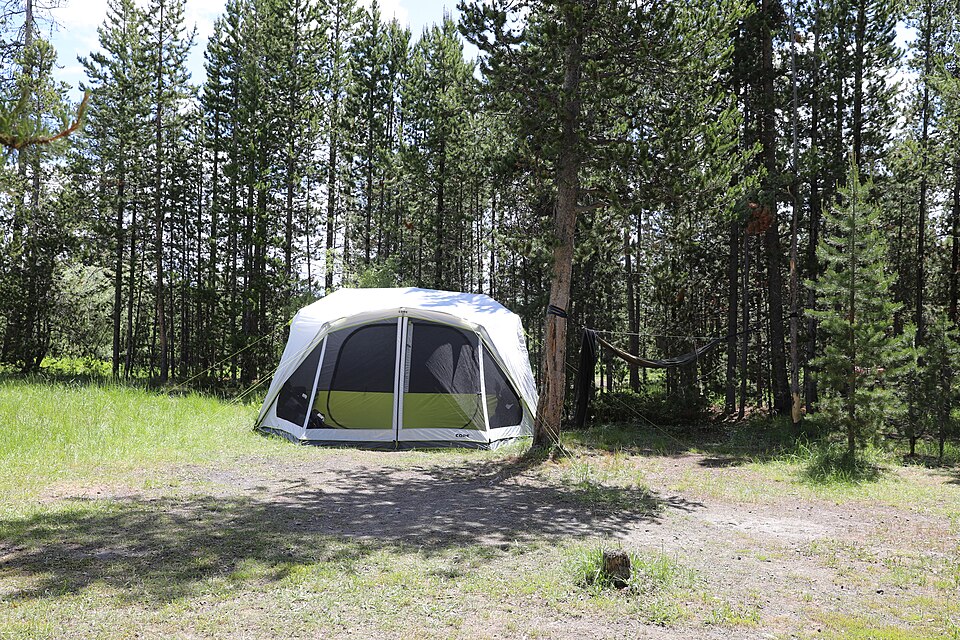
Lock in a stay for this season
RV parks near Bankhead National Forest on RoverPass
Partner link · RoverPass
Fall: Vibrant Foliage and Crisp Air
Fall is a spectacular second choice for a visit, especially from late October through mid-November. As the humidity of the Alabama summer fades, the hardwood forest undergoes a stunning transformation. The oaks, hickories, and maples turn brilliant shades of gold, orange, and deep red, contrasting beautifully against the dark green hemlocks and the pale grey sandstone cliffs. The air becomes crisp and dry, which is perfect for backcountry camping when you want to avoid the sweltering heat.
Waterfalls may be less powerful during the fall unless there has been a recent rainstorm, but the visibility through the trees improves as leaves drop, revealing the impressive geology of the canyons. It is also an excellent time for birdwatching as migratory species pass through the region. Because fall weather in Alabama can be unpredictable, ranging from warm afternoons to chilly nights, layering your clothing is essential for comfort during sunrise hikes or evening campfires.
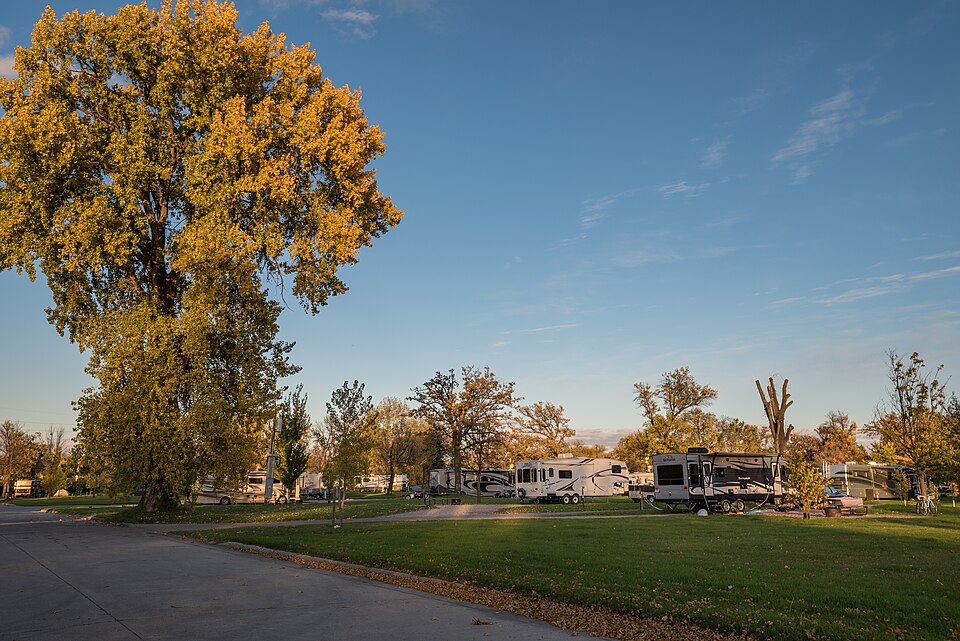
Lock in a stay for this season
Campsites near Bankhead National Forest on Campspot
Partner link · Campspot
Summer: Lake Days and Deep Forest Shade
Summer in Bankhead National Forest brings high humidity and soaring temperatures, often reaching into the 90s. While the heat can make strenuous uphill hiking a challenge, the forest provides a thick canopy of shade that keeps the canyon floors significantly cooler than the surrounding open fields. This is the peak season for water-based recreation on Lewis Smith Lake. Families flock to the Corinth and Brushy Lake recreation areas for swimming, boating, and fishing in the clear, deep waters.
If you venture into the Sipsey Wilderness during the summer, be prepared for buzzing insects and the occasional afternoon thunderstorm. These storms are usually brief but can be intense, providing a temporary reprieve from the heat. Summer is also the time when the forest is at its most lush, with ferns and mosses covering the limestone boulders. To avoid the worst of the heat, plan your hikes for the early morning hours and spend the afternoons near the water.
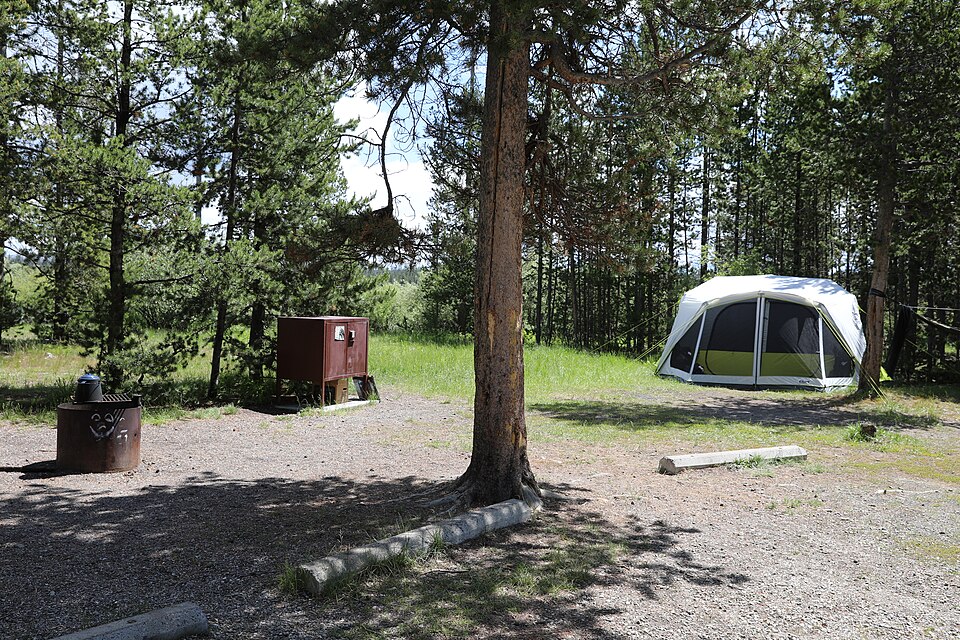
Lock in a stay for this season
Harvest Hosts stays on the way to Bankhead National Forest
Partner link · Harvest Hosts
Winter: Solitude and Stark Beauty
Winter offers a different kind of beauty and a level of solitude that you won't find during the rest of the year. From December through February, the forest is quiet, and the absence of leaves provides unobstructed views of the towering bluffs and unique rock shelters used by humans for thousands of years. While temperatures can drop below freezing at night, daytime highs often reach the 40s or 50s, which is quite pleasant for brisk walking.
One of the unique draws of winter is the formation of ice curtains. In particularly cold snaps, the waterfalls can freeze into massive icicles hanging from the sandstone overhangs. You will find that the trails are much less crowded, allowing for a peaceful connection with nature. It is important to check the official National Forest website before heading out, as winter storms can occasionally cause road closures or downed trees on the more remote forest service roads.
Crowds and Reservation Timing
Bankhead National Forest is a popular destination for regional travelers, particularly those from Birmingham, Huntsville, and Decatur. Weekends in the spring and fall see the highest traffic, especially at well-known spots like the Sipsey River Picnic Area or Kinlock Falls. If you are looking for a quiet experience, visiting on a weekday is your best bet.
For those planning to stay overnight, reservations for developed campgrounds like Corinth or Clear Creek should be made well in advance through the appropriate federal booking systems, especially for holiday weekends. Backcountry camping in the Sipsey Wilderness does not currently require a permit for small groups, but you must follow all wilderness regulations, such as camping away from trails and water sources. Always check the official NPS or USDA Forest Service site for current fire restrictions or seasonal area closures before you depart. Planning ahead ensures you have a spot in this pristine Alabama landscape.
More ways to book Bankhead National Forest
 Illustrative · Dietmar Rabich
Big Tree Trail
One of the classic ways to experience Bankhead National Forest.
Varies (estimate)
Partner link · Viator