
Bandelier National Monument protects over 33,000 acres of rugged volcanic landscape and ancient ancestral Puebloan sites. The primary draw is Frijoles Canyon, where visitors can walk through a history that dates back over 11,000 years. Whether you are interested in climbing into hand-carved 'cavates' or trekking across the high desert mesas, the monument provides a unique blend of archaeological wonder and natural beauty that caters to casual walkers and serious backcountry explorers alike.
Climb the Ladders of the Main Loop Trail
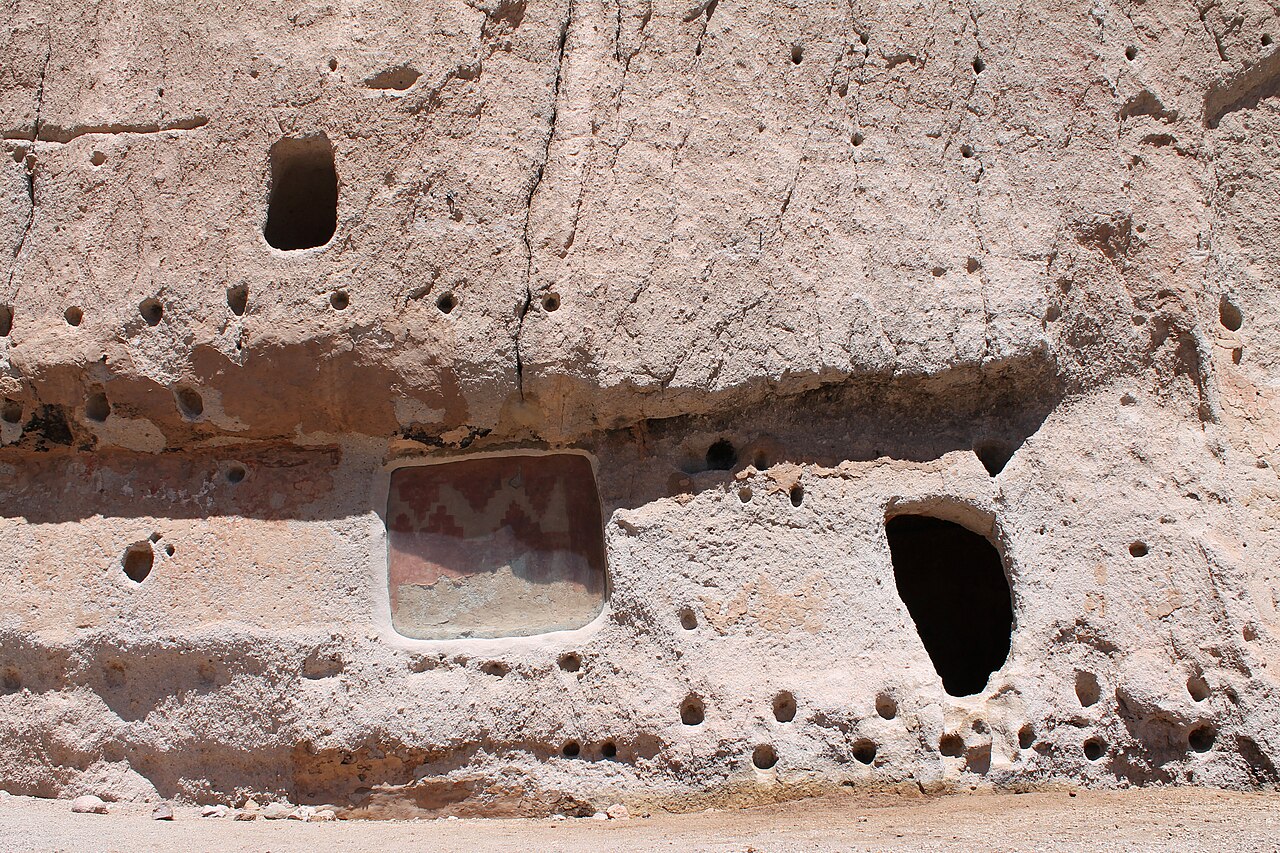
The Main Loop Trail is the quintessential Bandelier experience. This 1.2-mile paved loop takes you past the remains of Tyuonyi, a large circular pueblo, and along the base of the canyon walls where the ancestral Pueblo people carved homes into the soft volcanic tuff. These carved rooms, known as cavates, are accessible via small wooden ladders. Stepping inside these cool, dark spaces allows you to see the soot-blackened ceilings from ancient fires and gain a sense of daily life centuries ago.
For those with a head for heights, the trail continues to the Alcove House. This site is located 140 feet above the canyon floor and requires climbing four long wooden ladders and navigating steep stone stairs. Once at the top, you are rewarded with a reconstructed kiva and a panoramic view of the canyon. It is a heart-pounding experience that remains the highlight for many visitors, though it is not recommended for those with a significant fear of heights or during inclement weather when the rungs can become slippery.
Explore the Detached Tsankawi Section
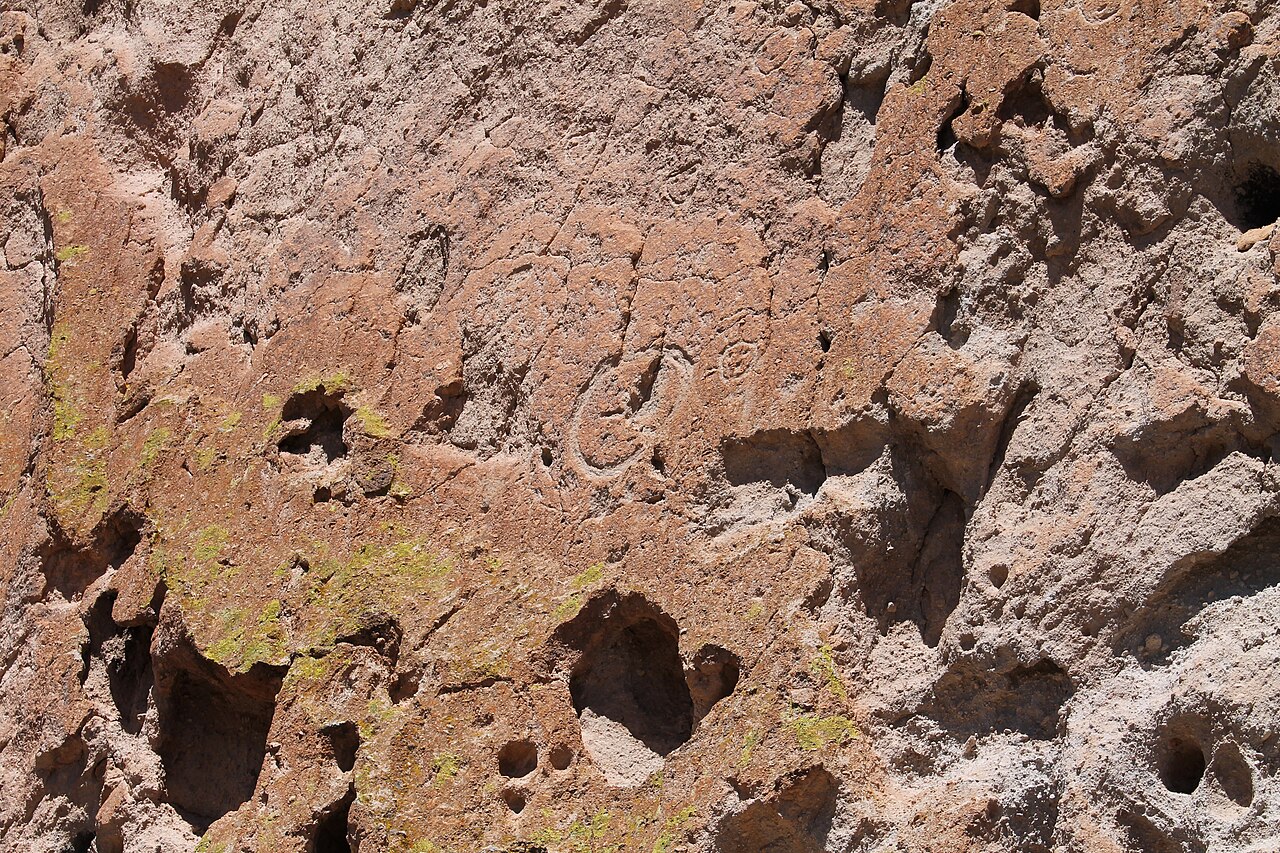
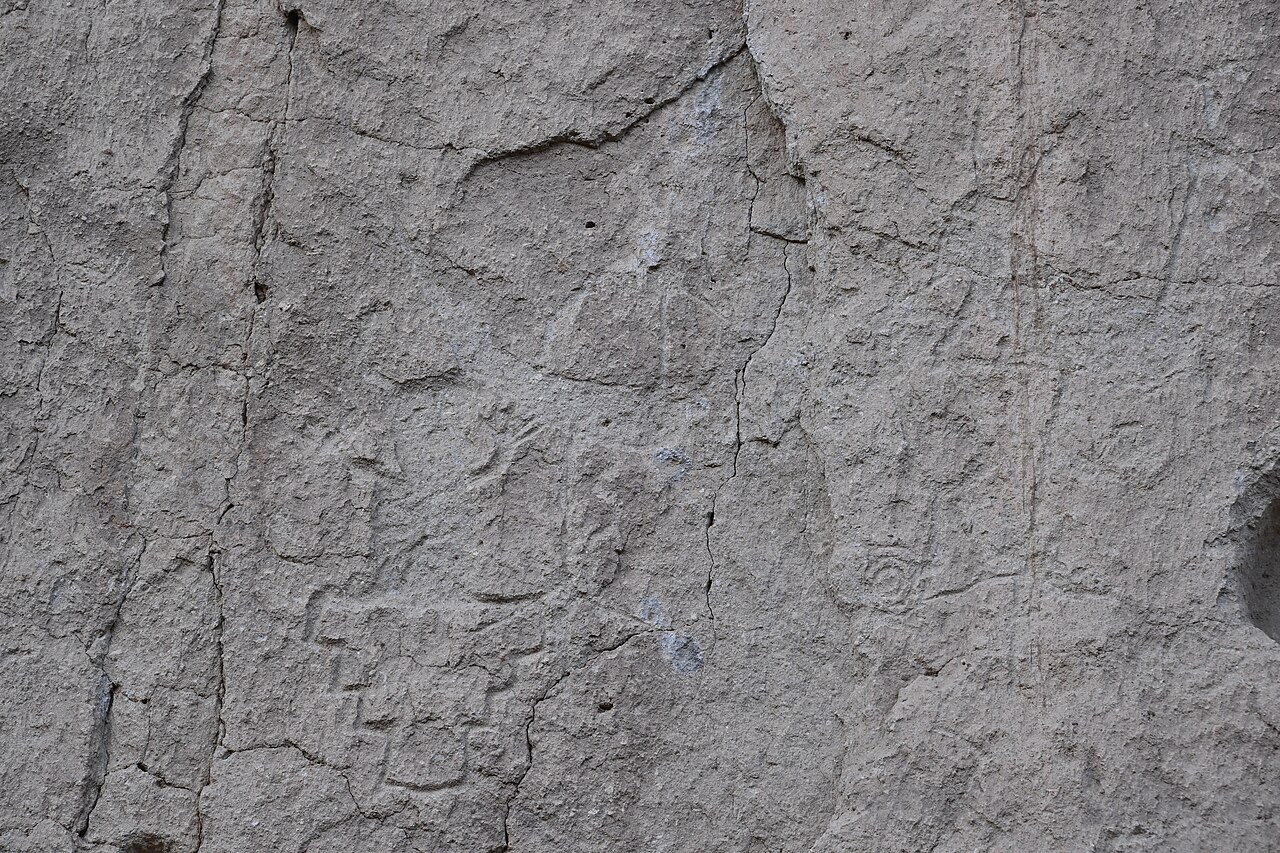
Located about 12 miles from the main park entrance, the Tsankawi Prehistoric Site offers a more rugged and primitive experience. This 1.5-mile loop trail takes you along a high mesa top where you walk in the very paths worn deep into the rock by the feet of the people who lived here long ago. The trail features narrow passages, ancient petroglyphs carved into the cliffs, and stunning views of the Rio Grande valley and the Sangre de Cristo Mountains.
Tsankawi is less developed than Frijoles Canyon, with no visitor center and fewer amenities, making it a favorite for those seeking a quieter connection to the past. The trail involves climbing several wooden ladders and walking along narrow ledges, so sturdy footwear is a must. Because it is an exposed site with very little shade, it is best visited in the early morning or late afternoon to avoid the midday sun. It provides a raw, unfiltered look at the landscape that once supported a thriving community.
Hiking the Backcountry and Falls Trail
For those looking to escape the main tourist paths, Bandelier offers over 70 miles of hiking trails. The Falls Trail is a popular choice, leading down-canyon from the visitor center toward the Rio Grande. Along the way, you pass two beautiful waterfalls, though the trail can be rugged and steep in sections. The lower part of the trail has been impacted by past flooding, so it is important to check the official NPS site for current trail status before heading out.
If you have a full day, consider hiking to the Painted Cave or the Stone Lions. These sites are located deep in the backcountry and require a significant time commitment and physical preparation. The Stone Lions shrine features two life-sized mountain lions carved into the bedrock and remains a sacred site for modern Pueblo people. These hikes take you across deep canyons and wide mesas, offering a true sense of the vastness of the Pajarito Plateau and the resilience of the people who once navigated this terrain without modern gear.
Family-Friendly Exploration and Junior Ranger Programs
Bandelier is an exceptional outdoor classroom for children. The visitor center features a small museum with pottery, tools, and textiles that help kids visualize the history of the area. The Junior Ranger program is particularly engaging here, encouraging children to observe the local flora and fauna and think critically about how ancient people survived in the high desert. The Main Loop Trail is flat enough for most children, and the thrill of climbing the shorter ladders into the cavates is usually a major hit.
Beyond the ruins, families can enjoy birdwatching along the Frijoles Creek. You might spot Steller's Jays, Canyon Towhees, or even the occasional turkey. The monument also hosts seasonal programs, including guided walks and evening campfire talks at the Juniper Campground during the summer months. These programs provide context to the stars above and the geology below, making the monument's history come alive for younger visitors who might otherwise find the ruins just 'piles of rocks.' Always check the visitor center for the day's scheduled activities.
Rainy Day Activities and the Visitor Center
While New Mexico is known for its sunshine, afternoon rains are common. If you find yourself caught in a downpour, the Bandelier Visitor Center is an excellent place to wait out the storm. The facility is housed in a beautiful historic building constructed by the Civilian Conservation Corps (CCC) in the 1930s. Inside, you can watch a high-quality film that explains the geological and cultural history of the canyon, which provides essential context for your outdoor exploration.
The museum displays are compact but rich with artifacts, including original Pueblo pottery and obsidian tools. There is also a small gift shop featuring local crafts and educational books. If the rain is light, a drive to the nearby Bradbury Science Museum in Los Alamos is a great indoor alternative. However, if you stay in the park, simply sitting on the porch of the visitor center and watching the rain transform the colors of the canyon walls is a peaceful experience. Just remember that the canyon can be prone to flash floods, so stay away from the creek during heavy rainfall.