
Austin glamping usually means staying outside the city in a furnished tent, cabin, or similar setup that trades downtown convenience for more outdoor space and a quieter setting. The right choice depends less on the label than on practical details such as cooling, bathrooms, road access, and distance from the places you want to visit. Plan for a car, compare amenities carefully, and treat lake access or swimming as something to verify.
What Glamping Looks Like Around Austin
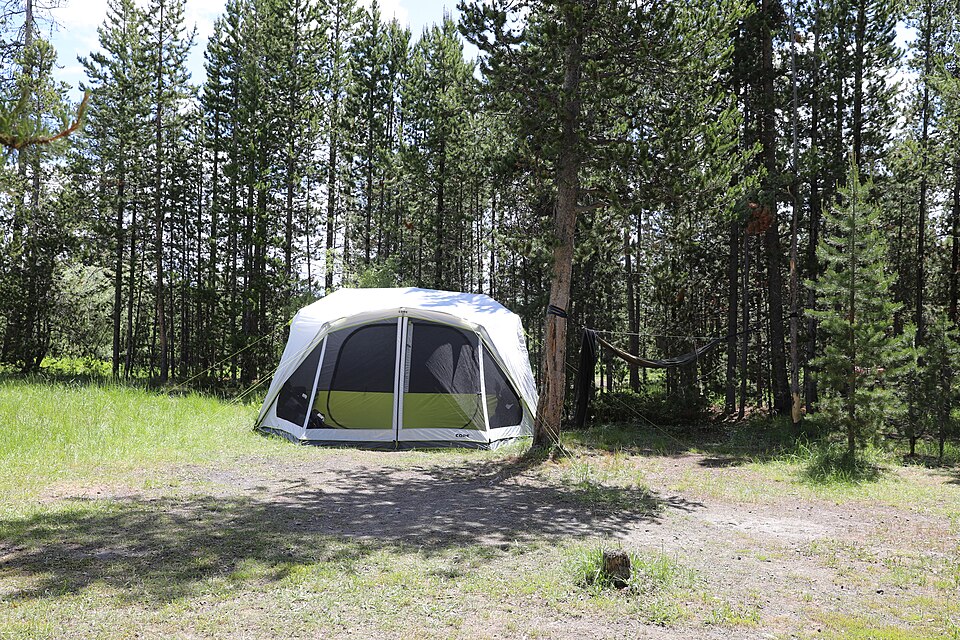
Around Austin and the surrounding Hill Country, glamping can range from a furnished canvas tent to a small cabin or a stationary travel trailer. Some stays provide real beds, electricity, and private bathrooms; others still require a walk to shared facilities. The word itself does not tell you how much comfort or weather protection to expect.
Before booking, confirm air-conditioning or heating, bedding, drinking water, kitchen equipment, bathroom location, and parking distance. Ask whether outdoor spaces are private or shared and whether the unit has screened windows or a fully enclosed sleeping area. Compare the full estimated stay cost, including cleaning charges, minimum-night requirements, and any pet or extra-guest fees, rather than looking only at the advertised nightly rate.
Where to Look: Dripping Springs, Lake Country, and Gateways
Dripping Springs is a useful search area if you want a Hill Country setting west of Austin and plan to spend more time on countryside outings than downtown nightlife. Toward Lake Travis, compare the actual location carefully: a lake-area address does not necessarily include shoreline access, and winding roads can make short map distances take longer than expected.
San Marcos is another gateway to consider when river recreation and a broader Central Texas trip matter more than quick access to Austin's center. Round Rock may work as a northern base, but verify whether a listing offers the rural atmosphere you want. Search by town and map location, then check the route to your priority parks before committing.
Choose the Season to Match the Shelter
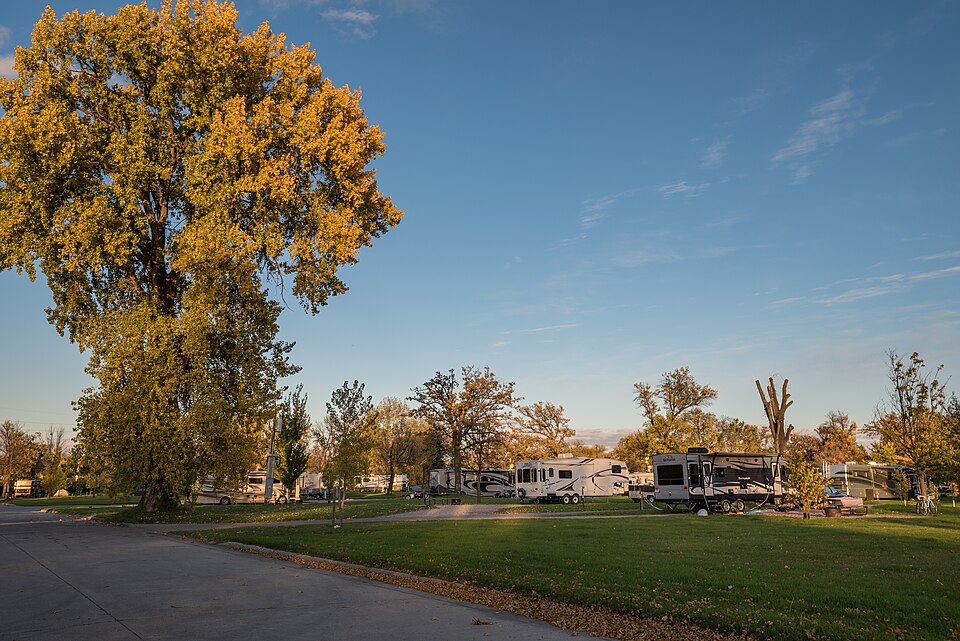
Spring and fall are generally the most appealing seasons for an Austin-area glamping stay, especially if you want to sit outside and walk during the day. Even then, ask about storm procedures, drainage around the unit, and where to go if severe weather develops. A furnished tent is not equivalent to a substantial building during hazardous weather.
Summer puts cooling and shade at the center of the decision. Confirm that any advertised air-conditioning serves the sleeping space, and ask how exposed the site is to afternoon sun. In winter, verify heating and the host's freeze-related cancellation or access policies. Before any season's trip, check official park conditions and local burn restrictions; a fire pit does not guarantee that fires are permitted.
What to Pack Beyond Your Overnight Bag
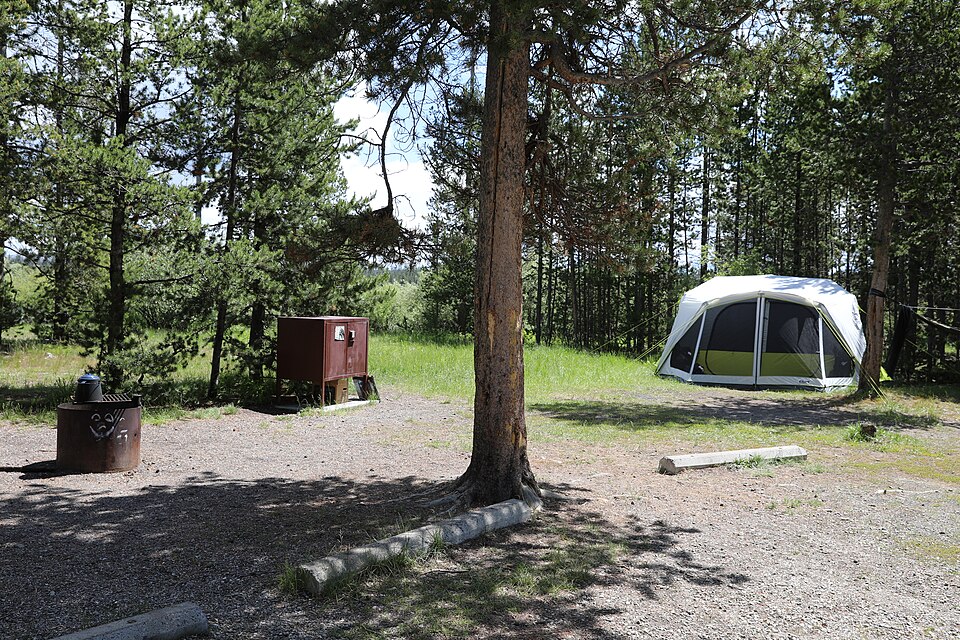
Bring layers, comfortable walking shoes, sun protection, insect repellent, and a rain shell even when the accommodation supplies bedding and towels. A headlamp is useful for paths between your unit, parking, and shared bathrooms. Pack a refillable water bottle and confirm whether potable water is available on site before deciding how much extra water to carry.
For cooking, check the equipment list rather than assuming a grill includes fuel, utensils, or a refrigerator. A cooler may still be useful for groceries during the drive. Download directions and reservation details in case service is patchy outside town. If you plan to swim, add a towel and suitable footwear, but verify current access and water conditions before building the day around it.
Glamping vs. Camping vs. RV Travel
Glamping suits travelers who want an outdoor setting without transporting a complete sleeping setup. It often costs more than a basic campsite, though total costs vary widely with amenities, dates, and location. Tent camping generally requires more gear and more attention to heat, rain, and campsite facilities, but gives you greater control over your own setup.
An RV offers an enclosed living space, yet hookups, vehicle size limits, parking, and rental-related costs need separate planning. Neither an RV nor a furnished tent automatically means easy access to Austin's attractions. Compare the entire trip: driving time, bathroom convenience, cooking options, weather protection, and cancellation terms. For public campgrounds and recreation areas, use official park websites to confirm reservations, current conditions, and site restrictions.