
Choosing the best time to visit Atchafalaya Basin is essential for experiencing America's largest river swamp in its full glory. Located in the heart of Louisiana, this massive wetland complex changes dramatically with the rising and falling waters of the Mississippi and Atchafalaya rivers. Whether you are looking for lush green canopies, blooming lilies, or active migratory bird populations, timing your trip will define the landscapes you encounter throughout the seasons.
Springtime Rebirth and High Water
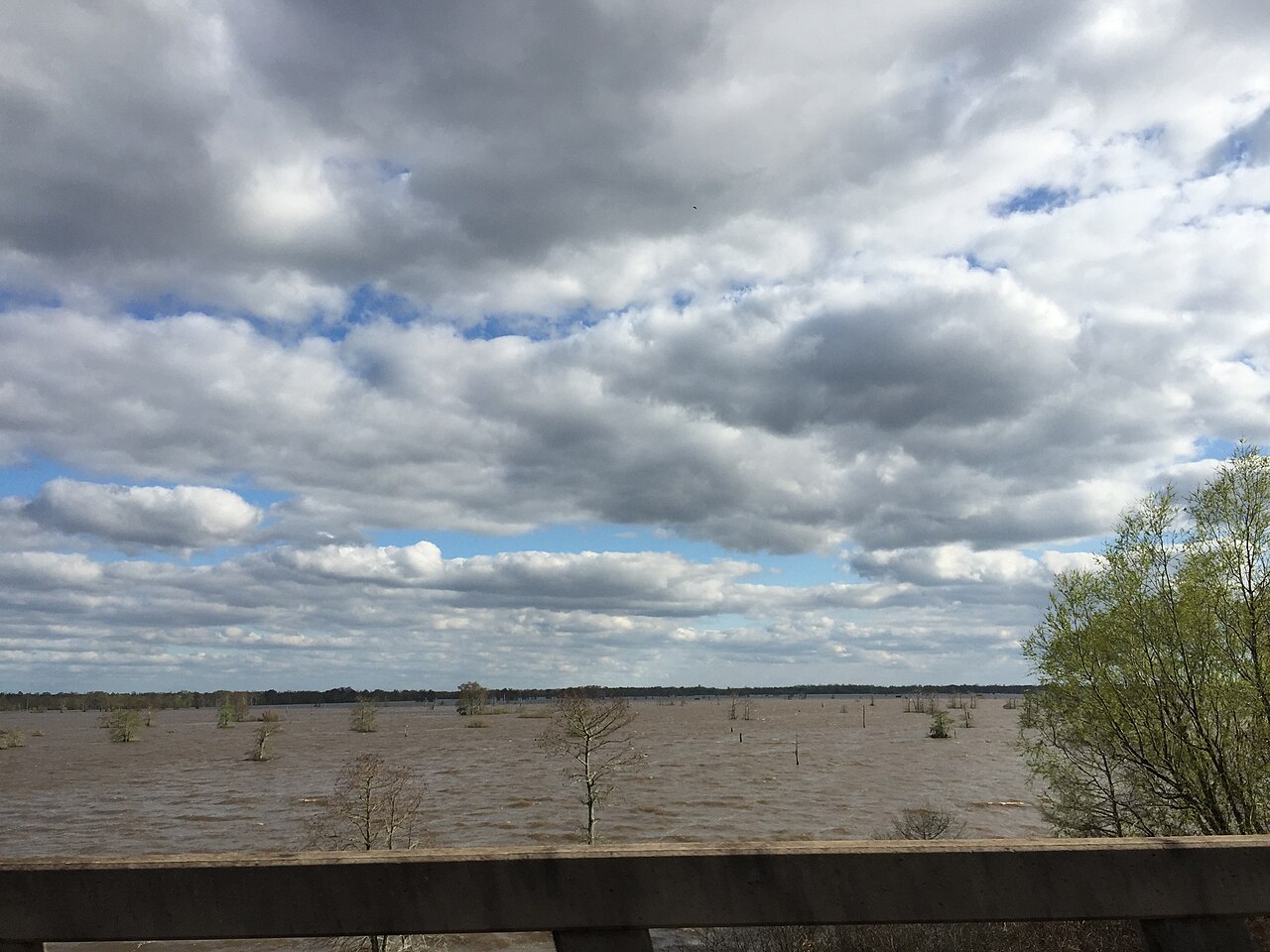
Spring is widely considered one of the best times to explore the basin as the water levels typically reach their peak. From March through May, the cypress and tupelo trees burst into a vibrant, neon green, and the swamp lilies begin to dot the water's surface. This is a prime season for paddlers, as high water allows boats and kayaks to navigate deeper into the flooded forests that might be dry later in the year.
Temperatures are generally pleasant, though the humidity begins to climb as May approaches. This is also the peak of the spring bird migration, where the basin serves as a vital stopover for species traveling north along the Mississippi Flyway. You should prepare for occasional rain showers, as Louisiana springs are notoriously wet, but these storms often bring a cooling relief to the afternoon heat. Because this is a popular window for visitors, it is wise to check the official National Park Service or state wildlife sites for water level alerts and trail accessibility.
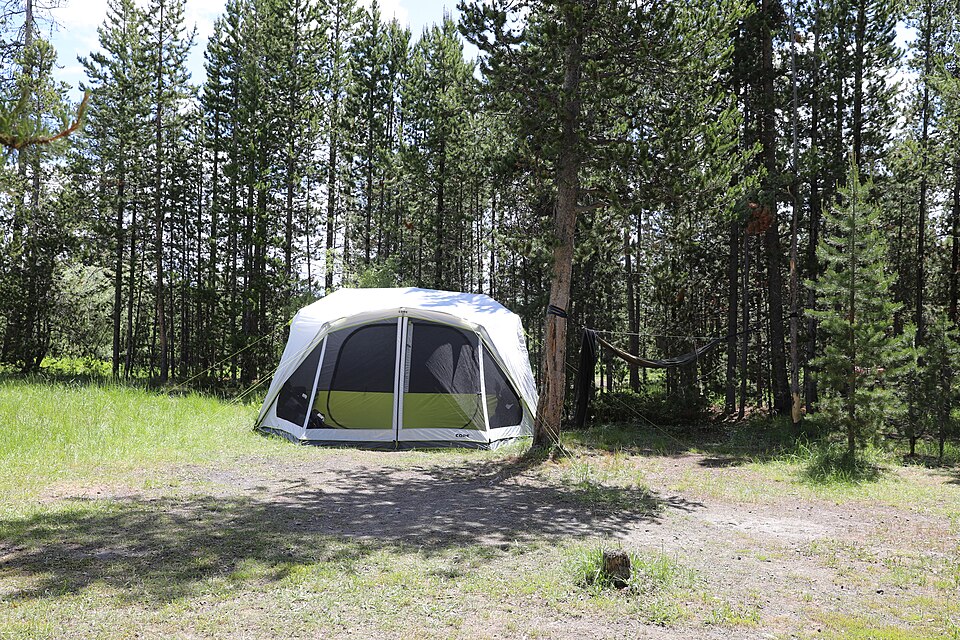
Lock in a stay for this season
RV parks near Atchafalaya Basin on RoverPass
Partner link · RoverPass
Summer Heat and Lush Vegetation
Summer in the Atchafalaya Basin, spanning from June through August, is characterized by intense heat and high humidity. Daytime temperatures frequently climb into the nineties, making early morning or late evening excursions the most comfortable way to see the sights. The landscape is at its most overgrown and lush during these months, with thick mats of water hyacinth and duckweed creating a carpet across the bayous.
Wildlife is highly active in the summer, though many animals seek shade during the heat of the day. You are likely to see alligators basking on logs during the morning hours and a variety of turtles surfacing in the tea-colored water. If you choose to visit during this time, bug spray and sun protection are non-negotiable requirements. While the heat keeps some crowds away, the basin remains a local favorite for fishing and boating. Always keep an eye on the weather forecast for sudden afternoon thunderstorms which are common in the Gulf Coast region.
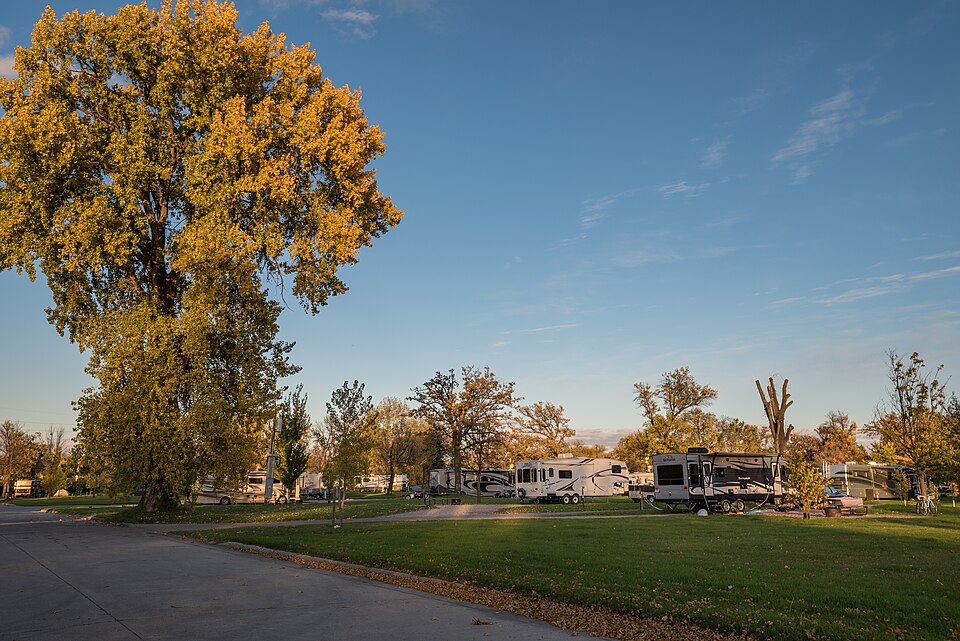
Lock in a stay for this season
Campsites near Atchafalaya Basin on Campspot
Partner link · Campspot
Fall Foliage and Cooling Temperatures
As autumn arrives in late September and carries through November, the basin undergoes a subtle but beautiful transformation. The bald cypress needles turn a deep rusty orange and bronze, casting a warm glow over the dark waters. This season offers a significant reprieve from the summer humidity, making it an ideal time for camping and extended hiking trips along the levee trails.
Water levels usually begin to drop in the fall, revealing the intricate, gnarled root systems known as cypress knees that surround the base of the ancient trees. This is a fantastic time for photographers to capture the stark contrast between the changing foliage and the remaining green mosses. Migratory waterfowl begin returning to the area as the weather cools in the north, providing excellent birdwatching opportunities. Since the weather is more predictable and the insect activity decreases, this is often preferred by those who want to spend multiple nights outdoors without the discomfort of the summer sun.
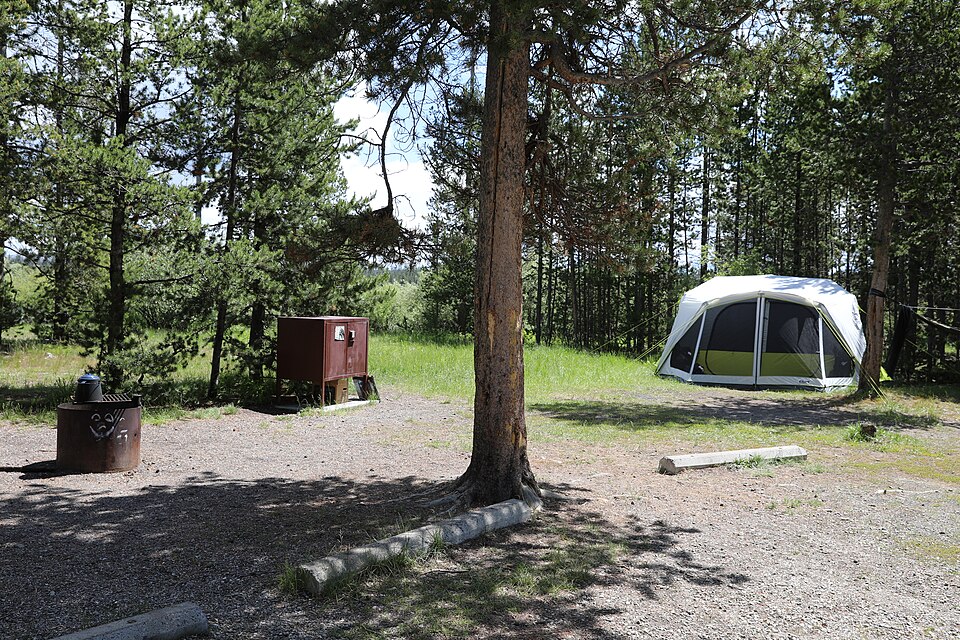
Lock in a stay for this season
Harvest Hosts stays on the way to Atchafalaya Basin
Partner link · Harvest Hosts
Winter Silence and Clear Vistas
Winter in the Atchafalaya Basin, from December through February, brings a quiet stillness to the wetlands. Many of the deciduous trees lose their leaves, opening up the canopy and providing much longer sightlines for spotting raptors and large mammals like the Louisiana black bear. While the landscape may appear more stark, the lack of foliage makes it much easier to navigate and observe the topography of the basin floor.
Temperatures can fluctuate wildly, ranging from freezing nights to mild, sunny afternoons. Large-scale flooding is less common in the early winter, though winter rains can occasionally raise water levels unexpectedly. This is the least crowded time to visit, offering a sense of solitude that is hard to find during the peak spring months. It is important to dress in layers, as the damp air can make the temperatures feel significantly colder than the thermometer indicates. Reservations for local campgrounds are generally easier to secure, but you should still check for seasonal closures of specific facilities.
Crowds and Reservation Timing
While the Atchafalaya Basin is vast, covering nearly one million acres, certain access points and boat launches can become crowded during holiday weekends and peak spring weekends. The basin does not have a single entrance gate like some national parks, but rather various access points through state parks and wildlife management areas. If you plan on staying at nearby state park campsites or renting cabins in gateway towns like Henderson or Breaux Bridge, booking several months in advance is highly recommended for the spring and fall seasons.
Mid-week visits are almost always quieter, allowing for a more intimate connection with the natural surroundings. Because the basin is a working landscape used for fishing and timber, you will share the waterways with locals. Understanding the rhythm of the local seasons, including hunting and fishing cycles, will help you plan a respectful and enjoyable trip. Always consult official state wildlife and park websites to stay updated on seasonal regulations and any required permits for specific activities within the management areas.
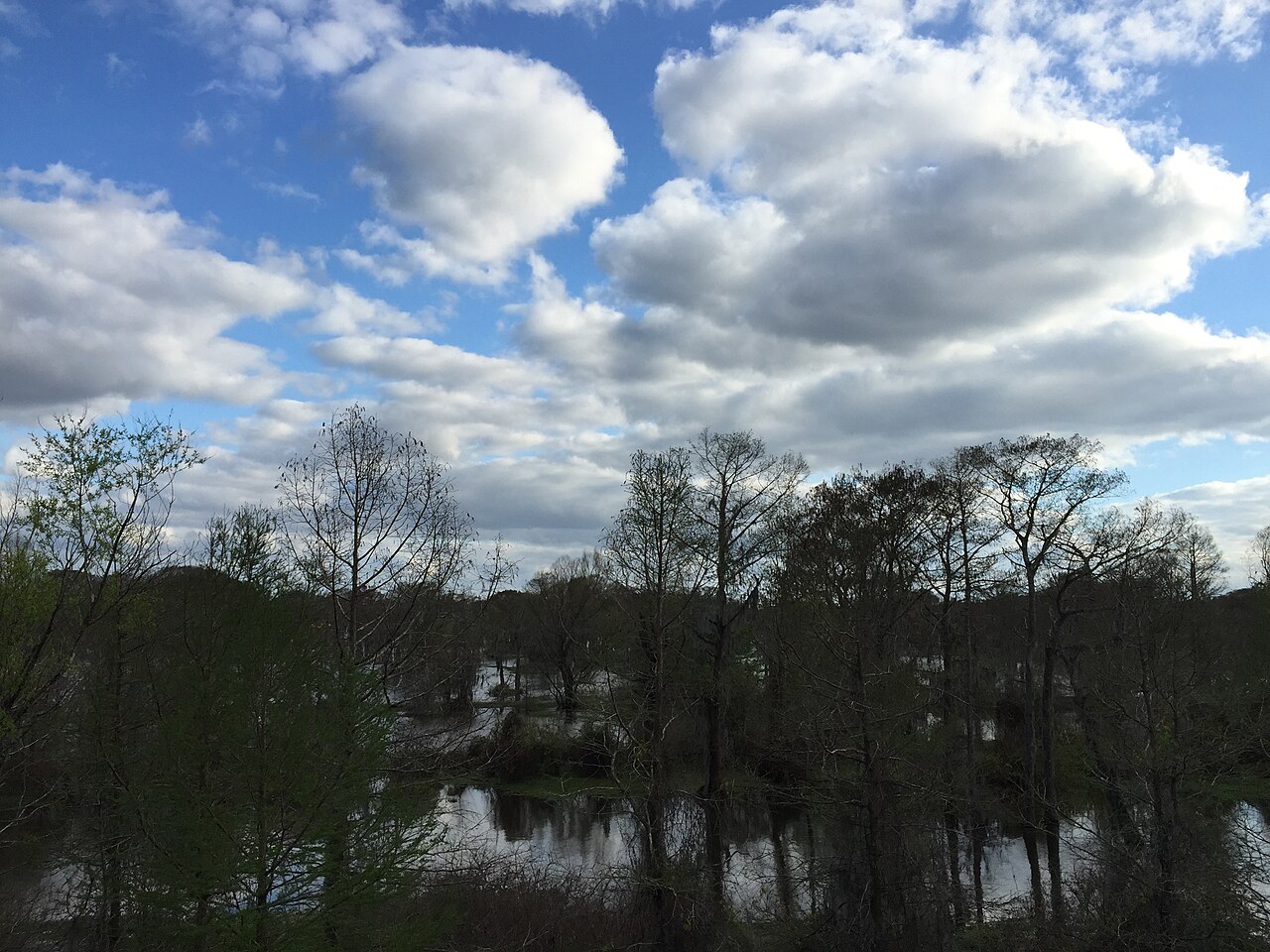
More ways to book Atchafalaya Basin
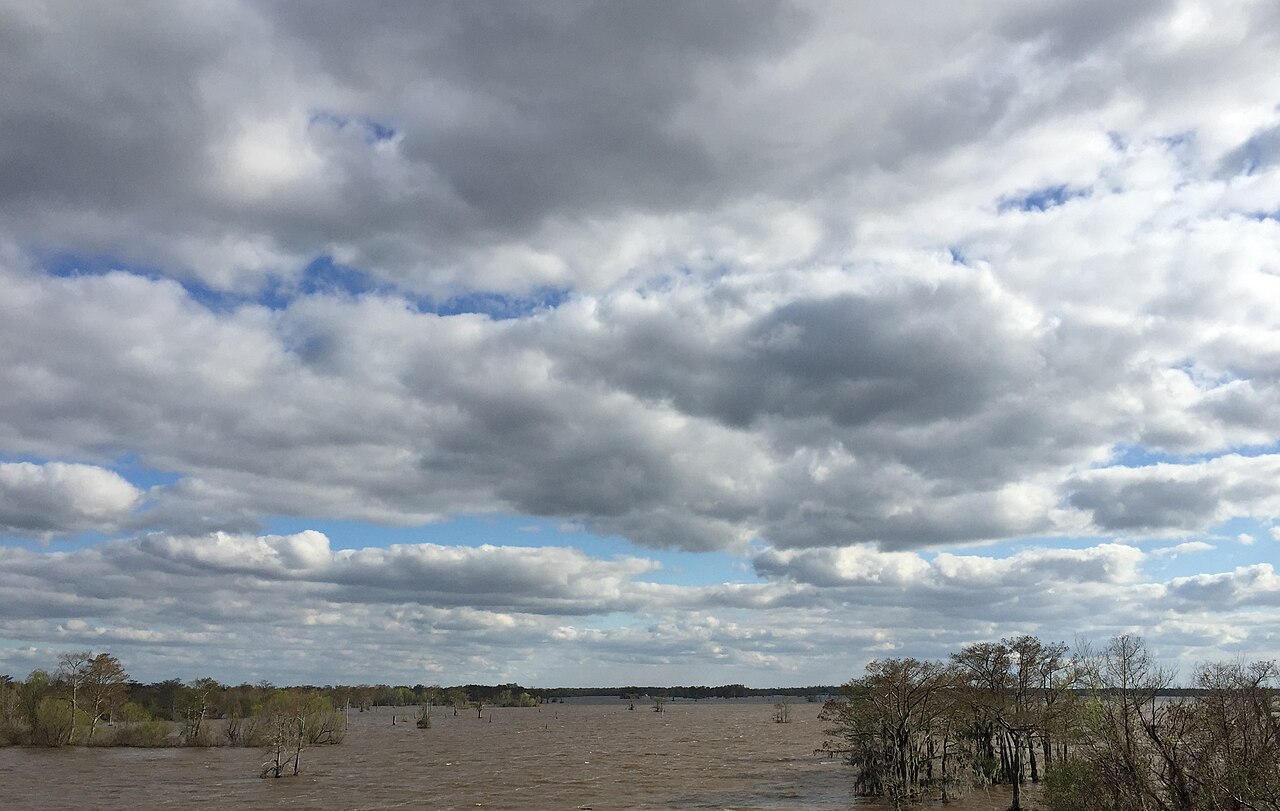 Illustrative · Famartin
Wildlife Photography
One of the classic ways to experience Atchafalaya Basin.
Varies (estimate)
Partner link · Viator