
Assateague Island glamping usually means finding a more comfortable outdoor stay in the surrounding gateway area, then driving to the island for beaches and wildlife. Think furnished tents, cabins, or ready-to-use RV accommodations where available, rather than assuming the public island campgrounds provide resort-style lodging. The right choice depends on how much shelter, bathroom access, and climate control you want after a day of sun, sand, wind, and mosquitoes.
What Glamping Looks Like Around Assateague
Glamping is a broad booking label, not a standard set of amenities. Near Assateague, look for listings that clearly describe the sleeping structure, bedding, bathroom arrangement, cooking setup, and whether heating or air conditioning is included. A furnished tent with a shared bathhouse can feel very different from a cabin with an indoor bathroom, even when both use the same label.
Do not assume a glamping search result is on Assateague Island or within walking distance of the ocean. Verify its actual location and the drive to your intended park entrance. Public island campsites are generally a bring-your-own-equipment experience; check official campground descriptions rather than expecting furnished tents or hotel-style services.
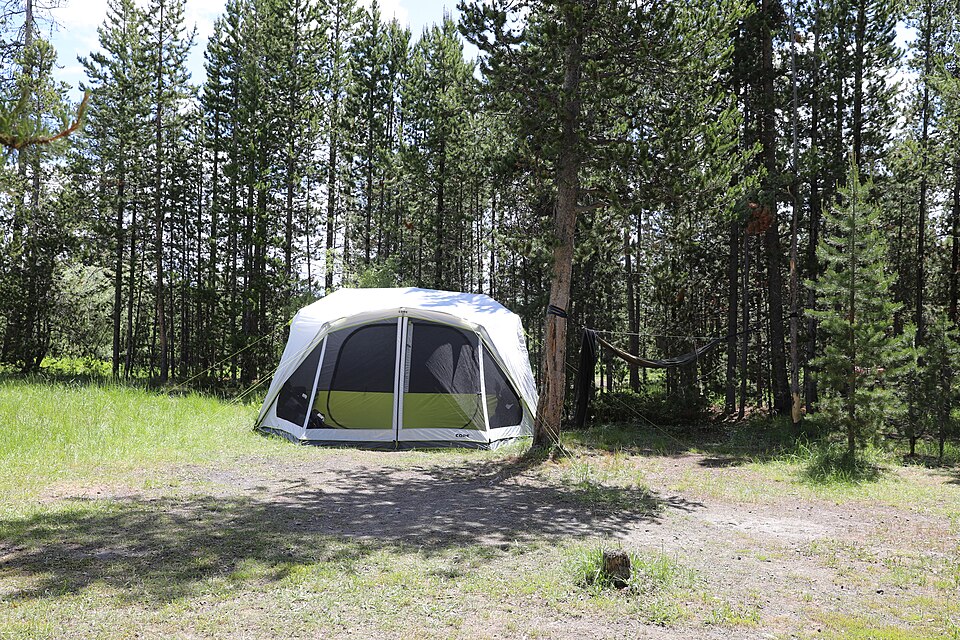
Where to Look: Berlin, Ocean City, and Chincoteague
For the Maryland end of Assateague, start your search around Berlin and the mainland approach to the park. This keeps your planning focused on the correct entrance while giving you access to town services. The broader Ocean City area is another place to compare outdoor lodging, particularly if you want to combine island days with restaurants and boardwalk time.
Chincoteague is the gateway for the Virginia end of Assateague, not a nearby shortcut to Maryland's beaches and campgrounds. There is no public through-road along the island between the two districts. Before booking anywhere, map the full road route to your chosen beach access. Compare location and amenities together rather than relying on a listing's use of the island name.
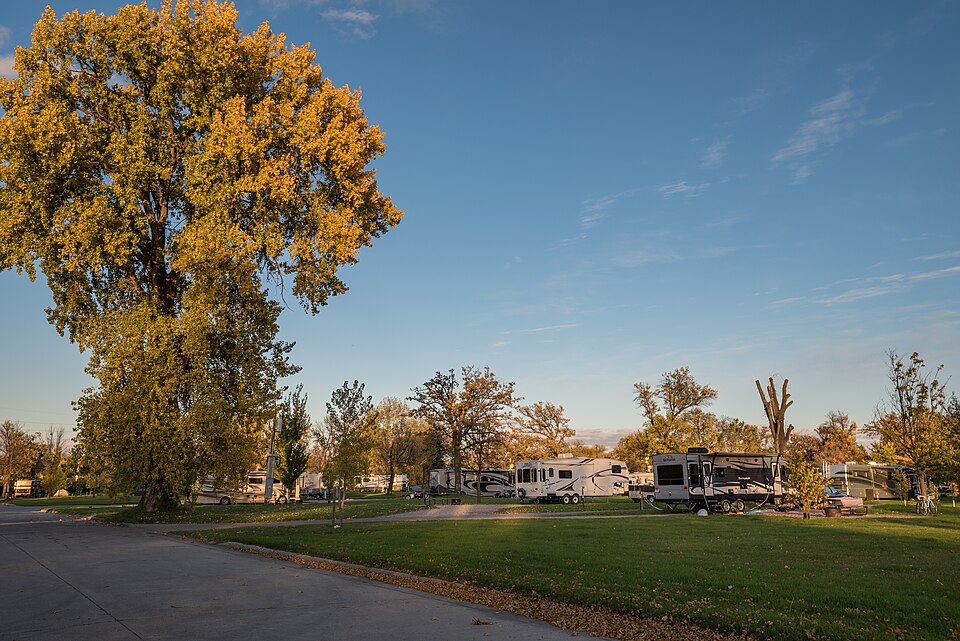
Choose a Season That Matches Your Shelter
May through June and September through October are useful periods to consider for an outdoor-focused stay, especially if you prefer milder walking weather to peak summer heat. A canvas tent still follows outdoor temperatures closely, however, and spring or fall nights can feel cool and damp. Ask what bedding and heating, if any, are actually provided.
Summer favors beach time but increases demand and makes shade, ventilation, insect screens, and climate control more valuable. Fall coastal storms can disrupt travel, so review cancellation and weather policies before paying. Check the official NPS and Maryland state park sites for current access conditions and any park reservations your visit requires, even when your lodging is outside the park.
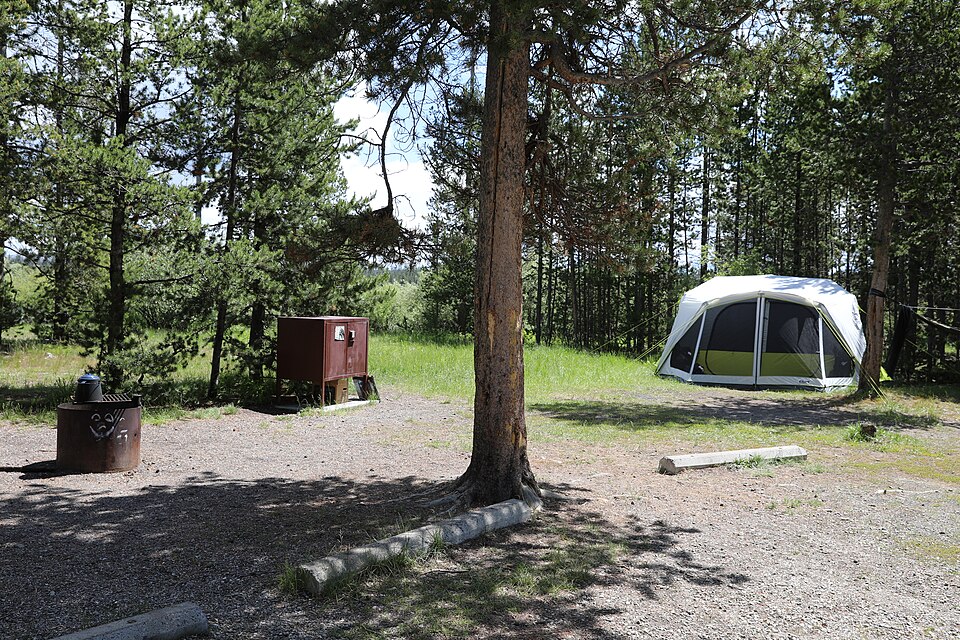
What to Pack for a Comfortable Stay
Bring layers, a windproof rain jacket, sun protection, insect repellent, and shoes suitable for both sand and short trails. A headlamp is useful even at a furnished property, where paths to bathrooms or parking may be dark. Pack a refillable water bottle, beach towels, and a bag for wet or sandy clothing so your sleeping area stays more comfortable.
Ask the host what is supplied before adding bedding, cookware, a cooler, or camp chairs to your packing list. Confirm drinking-water access, electrical outlets, and food-storage rules. Secure food at your lodging and during park visits, especially around horses. If cooking outdoors is part of the plan, check the property's rules and current fire restrictions rather than assuming a firepit can be used.
Glamping vs. Tent Camping vs. an RV
Choose glamping if you want less equipment to transport and a defined sleeping setup, but compare the full amenity list before deciding it is more comfortable. Conventional tent camping can keep lodging costs lower if you already own gear and are comfortable handling wind, sand, and insects. Neither option automatically includes a private bathroom or climate control.
An RV can provide more enclosed living space, but site length, hookups, generator rules, and waste-disposal arrangements need advance checking. Do not assume public island campgrounds offer full hookups. Treat all lodging costs as rough estimates until you review dates, fees, and required minimum stays. The most useful comparison is the total trip cost alongside location, weather protection, and the amount of setup you want to do.