
Aspen glamping is better approached as a regional search than as a promise of safari tents beside downtown. In the Roaring Fork Valley and surrounding mountain country, comfortable outdoor stays can range from furnished tents to yurts, cabins, and RV accommodations, depending on current availability. Start with the experience you want, then verify the actual setup, seasonal access, and drive to Aspen before booking a place based on its label.
What Glamping Looks Like Around Aspen
Glamping usually means some camping logistics are handled for you, but the label does not define a consistent level of comfort. A furnished tent might provide a bed while leaving bathrooms in a shared building. A cabin may have solid walls but no running water. A yurt can feel spacious yet still require you to bring bedding or cook outside.
Do not assume Aspen’s luxury reputation carries over to every outdoor accommodation advertised in the broader region. Ask about heating, electricity, bedding, bathrooms, drinking water, and food storage. Confirm whether you drive directly to the unit or carry gear from a parking area. Photographs alone rarely explain what a chilly, wet night will actually involve.
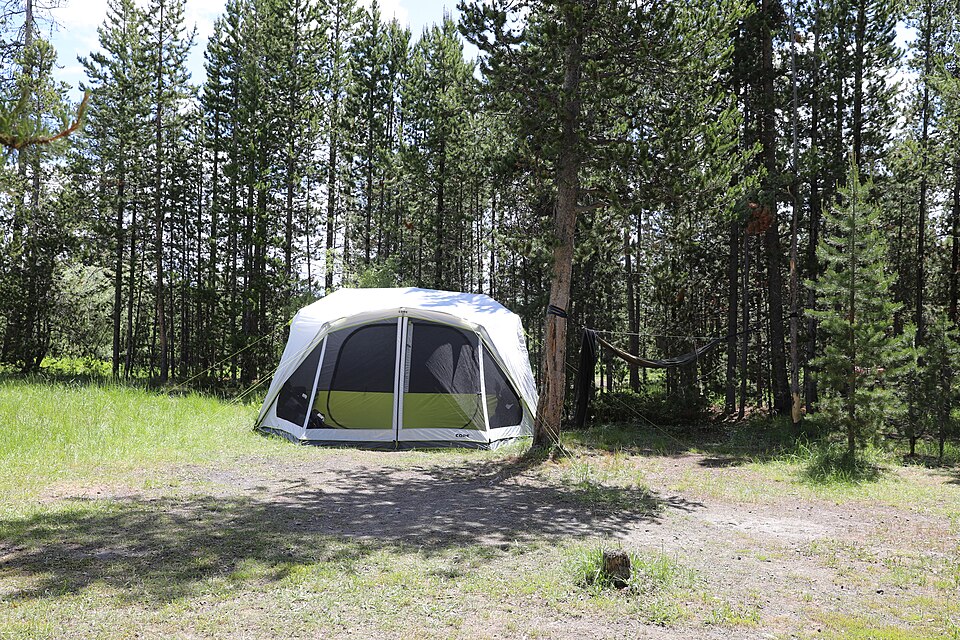
Where to Search: Aspen and the Roaring Fork Valley
Start with Aspen and Snowmass Village if being close to mountain activities matters most, while recognizing that hotels and condos are easier to find than classic tent-style glamping. Expand toward Basalt and Glenwood Springs if you are open to a longer drive and want to compare a broader range of outdoor lodging styles. Availability changes, so verify individual properties rather than assuming every town has each accommodation type.
Read the location carefully: a listing marketed for an Aspen trip may sit well downvalley. Check the actual route, parking arrangements, and whether the final approach is paved. Remote forest locations may have limited cell service, and seasonal roads can make an appealing map location impractical for your dates.
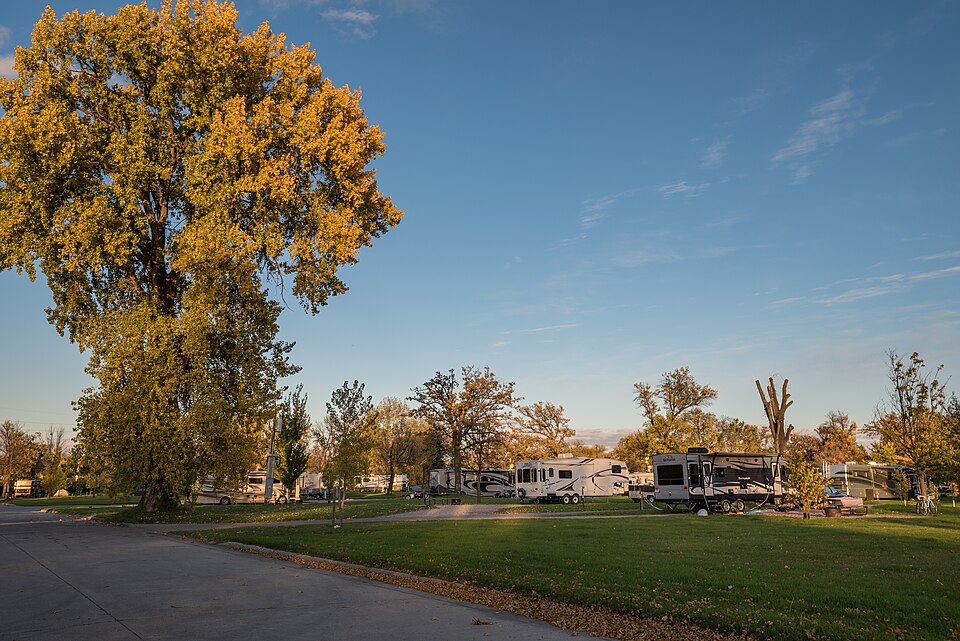
Choose a Season That Fits the Shelter
Summer and early fall are the most practical seasons for tent-style stays near Aspen, but mountain nights can be cold even after warm afternoons. Higher locations hold snow longer in spring and turn wintry earlier in fall. September can be beautiful, though frost and changing weather make bedding and a reliable heating plan more important than an attractive deck.
Winter outdoor lodging requires a different standard of preparation. Confirm that the accommodation actually operates in winter, that the road is maintained, and that heat and bathrooms remain available. Do not assume a woodstove or portable heater makes every shelter suitable for freezing conditions. Ask about storm-related access limitations and cancellation terms before choosing a remote stay.
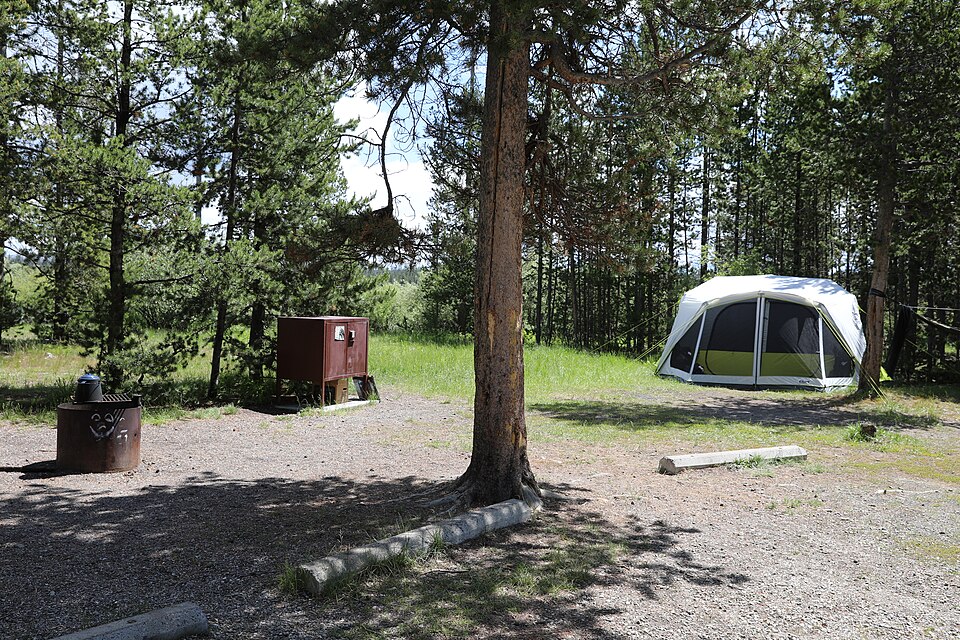
What to Pack and Confirm Before You Go
Pack layers, a warm outer layer, rain protection, sturdy footwear, and a headlamp even when the listing promises comfort. Bring toiletries, personal medications, and a charging backup if electricity is uncertain. Ask whether bedding, towels, cookware, and drinking water are supplied; an incomplete amenities list can turn a light-packing trip into an unexpected equipment run.
Food storage deserves particular attention in bear country. Follow the property’s rules and local land-manager requirements, and never leave food or scented items outside your accommodation. Verify any fire restrictions before planning a campfire meal. Download directions and essential booking details ahead of time, and check the official park or public-land website for current conditions, closures, and reservation requirements affecting nearby outings.
Glamping vs. Camping vs. RV Travel
Choose glamping when you want an outdoor setting without transporting a full sleeping setup. Expect higher rough lodging costs than a basic campsite, but compare the whole bill: cleaning charges, bedding, cooking access, and transportation can change the value. A unit without a kitchen may also mean more restaurant spending during an already expensive Aspen visit.
Traditional camping offers more control over your gear but requires greater preparation and an appropriate reserved or legally available site. RV travel provides a familiar shelter, yet site length, hookups, wastewater disposal, and road restrictions matter. Independence Pass is not an all-purpose RV route; check current vehicle restrictions and seasonal closures. For winter trips, a conventional room or condo may be simpler than an outdoor lodging setup.