
Ashland is a rare Southern Oregon gem where the high desert meets the lush Cascades, offering four distinct and beautiful seasons. While the town is most famous for its world-renowned theater season, the surrounding Siskiyou Mountains provide a playground for hikers, skiers, and mountain bikers year-round. Choosing the best time to visit Ashland depends on whether you are coming for the legendary stage performances, the vibrant fall foliage, or the deep powder at Mount Ashland.
Summer: The Peak Festival Season
Summer is widely considered the best time to visit Ashland because the Oregon Shakespeare Festival is in full swing, featuring outdoor performances under the stars. From June through August, the town buzzes with energy as visitors flock to Lithia Park and the downtown plaza. The weather is typically hot and dry, with daytime temperatures often reaching the 80s and 90s, though the evenings cool down significantly, making for perfect patio dining conditions.
Because this is the peak travel window, you should plan to secure your lodging and theater tickets several months in advance. The trails at higher elevations are completely clear of snow by July, allowing for excellent hiking and mountain biking on the Ashland Watershed trails. While the afternoons can be warm, the abundance of shade in the canyon parks and the cool waters of nearby lakes provide plenty of ways to beat the heat during the sunny Oregon summer.
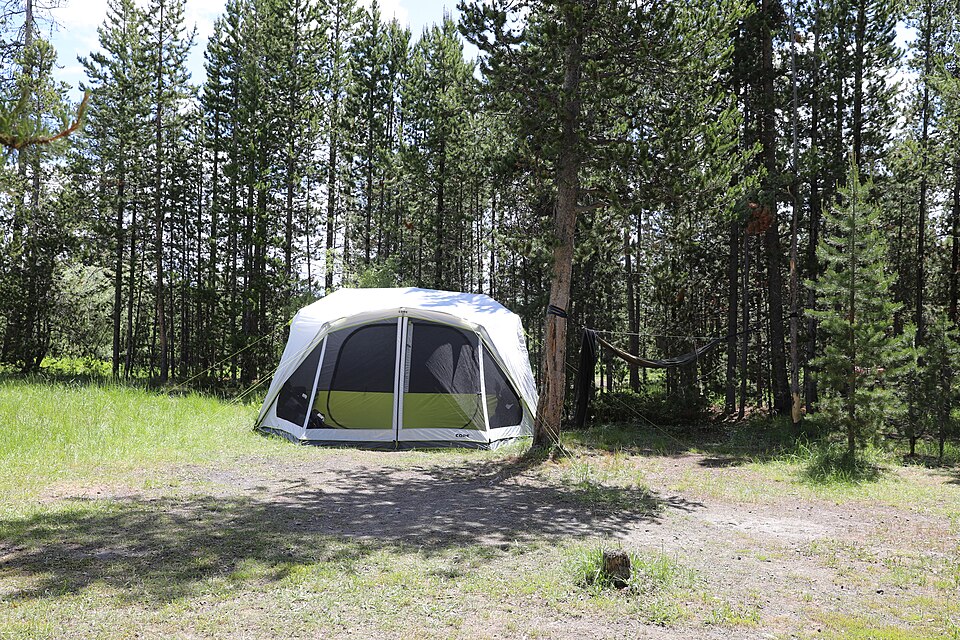
Fall: Crisp Air and Autumn Colors
Fall is a favorite for locals and repeat visitors who appreciate a quieter atmosphere and cooler temperatures. In September and October, the maples and sycamores in Lithia Park turn brilliant shades of orange and gold, creating one of the most scenic autumn displays in the Pacific Northwest. The daytime temperatures drop to a comfortable 60 or 70 degrees, which is ideal for long-distance hiking on the Pacific Crest Trail or cycling through the nearby Rogue Valley vineyards.
Harvest season brings a bounty of local produce to the townâs markets and restaurants, celebrating the region's agricultural roots. While the outdoor theater season begins to wind down in early October, many indoor performances continue. Crowds begin to thin out after Labor Day, meaning you can often find more flexibility with last-minute dinner reservations or boutique hotel stays. It is a fantastic time for photography enthusiasts looking to capture the juxtaposition of the historic downtown architecture against the changing mountain backdrop.
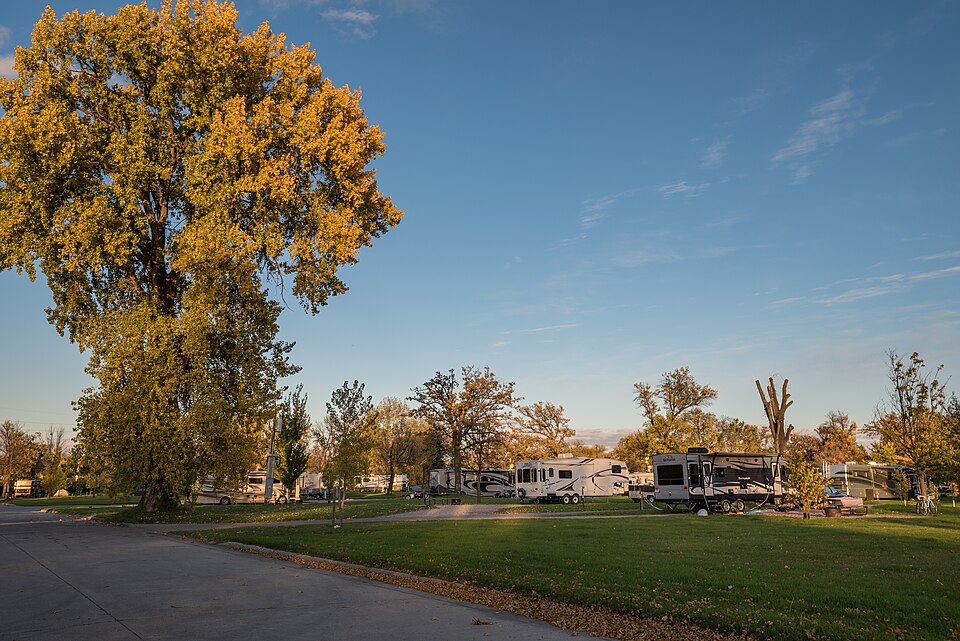
Winter: A High-Alpine Wonderland
Winter in Ashland offers a dual experience: a cozy, rain-dusted valley floor and a snowy playground just a short drive up the mountain. From December through February, the town transforms into a festive village with holiday lights and a slower pace of life. While the valley stays relatively mild, Mount Ashlandâlocated just 20 minutes southâreceives significant snowfall, catering to skiers and snowboarders who enjoy the steep terrain and community-focused atmosphere of the local ski area.
Indoor activities take center stage during the winter months. Visitors spend their time browsing the local independent bookstores, visiting art galleries, or soaking in nearby mineral springs. Since this is the low season for theater, lodging rates are typically at their most affordable, making it a great time for a budget-friendly weekend getaway. However, be prepared for mountain driving conditions; if you plan to head up to the ski area or cross the Siskiyou Summit on I-5, carrying chains or having a traction-equipped vehicle is essential.
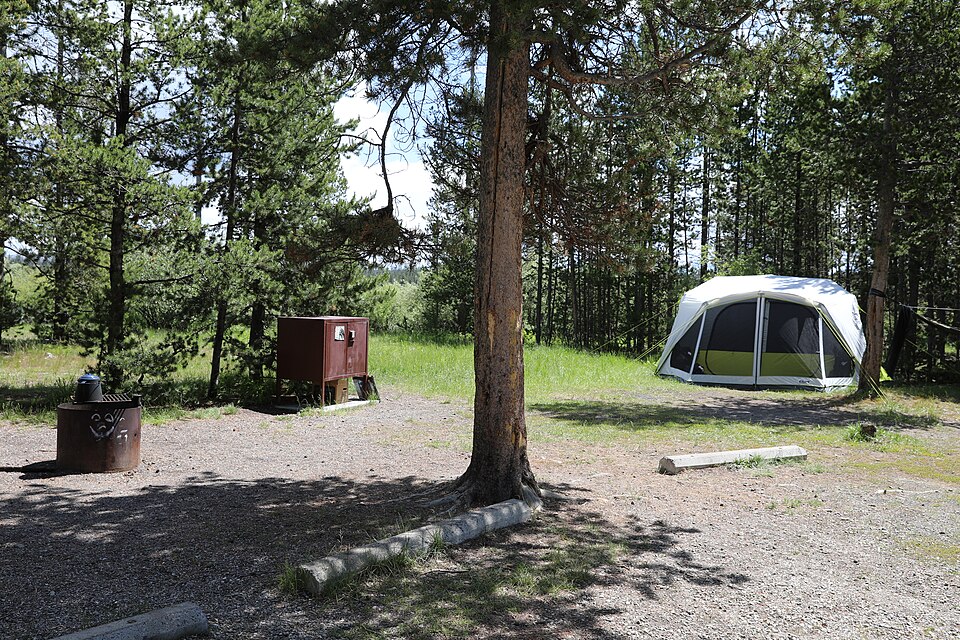
Lock in a stay for this season
Harvest Hosts stays on the way to Ashland
Partner link · Harvest Hosts
Spring: Wildflowers and Rushing Rivers
Spring arrives in the Rogue Valley with a burst of wildflowers and rushing mountain runoff. Starting in late March and continuing through May, the hillsides turn a vibrant green, and the fruit orchards in the surrounding valley begin to bloom. This is the best time for whitewater enthusiasts, as the melting snowpacks fill the Rogue and Klamath Rivers, creating exciting conditions for rafting and kayaking trips departing from the Ashland area.
Weather in the spring can be unpredictable, often oscillating between bright sunshine and brisk rain showers within a single afternoon. It is the season of renewal, where the first theater previews begin, and the downtown area starts to wake up from its winter slumber. Hiking trails at lower elevations are accessible and lush, though you may encounter mud. Packing layers is vital during this transition period, as the gap between daytime highs and nighttime lows remains wide. It is an excellent time for bird watching in the Bear Creek Greenway as migratory species return to the region.
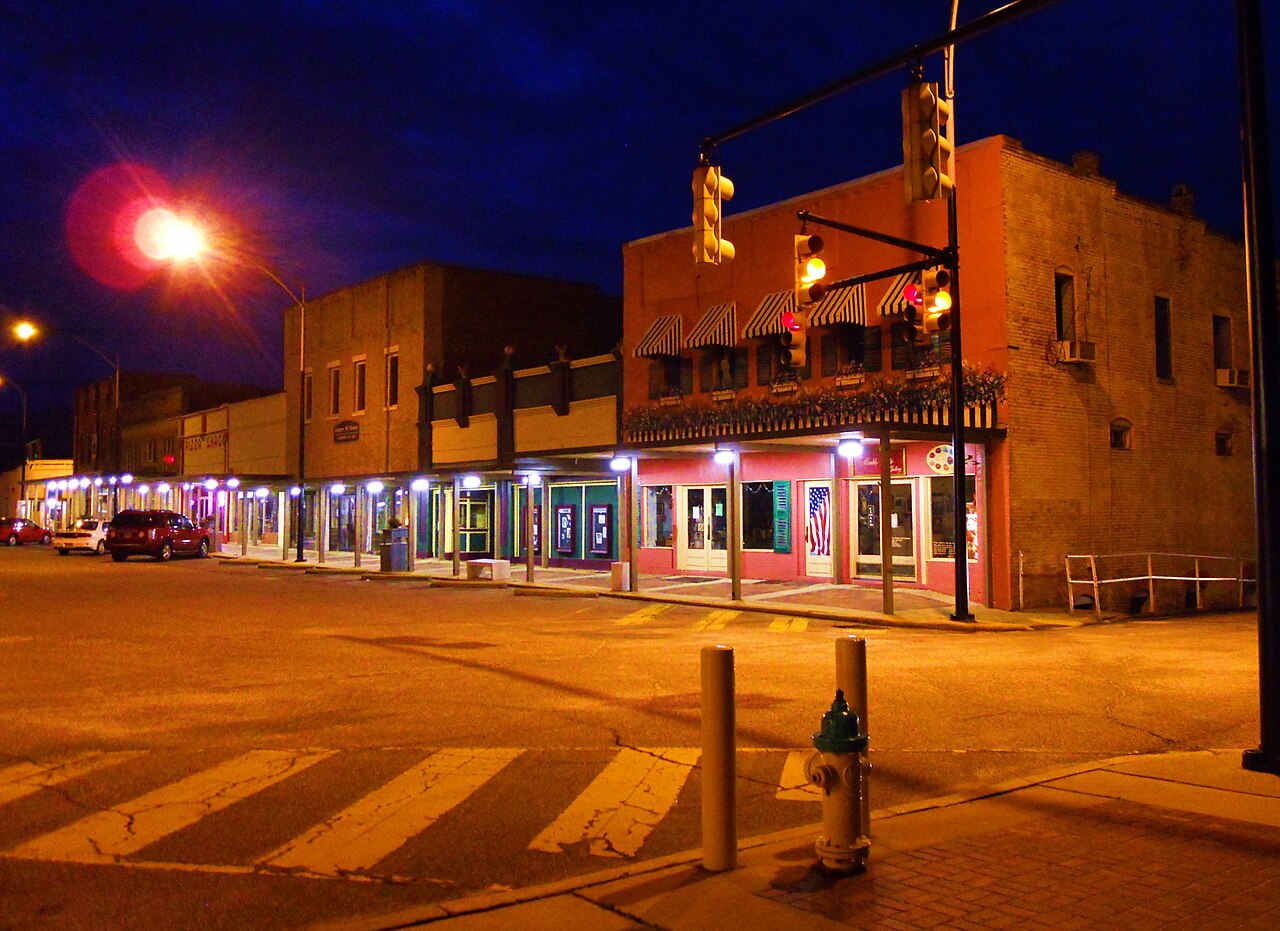
Crowds and Reservation Timing
Ashland is a destination that rewards forward planning, especially during the summer theater peak. To ensure the best selection of seats and rooms, many travelers book their summer trips as early as January or February. During the height of July and August, the town can feel quite crowded, with limited parking near the plaza and wait times at popular breakfast spots. If you prefer a more solitary experience in nature, consider visiting during the shoulder months of May or October.
Regardless of when you visit, always check the official National Park Service or Oregon State Parks websites if you plan to venture to nearby landmarks like Crater Lake, as seasonal road closures can impact your travel plans. For those flying into Rogue Valley International-Medford Airport (MFR), the 30-minute drive to Ashland is straightforward, but booking a rental car in advance is highly recommended during the busy summer months to ensure availability for exploring the surrounding Siskiyou and Cascade ranges.
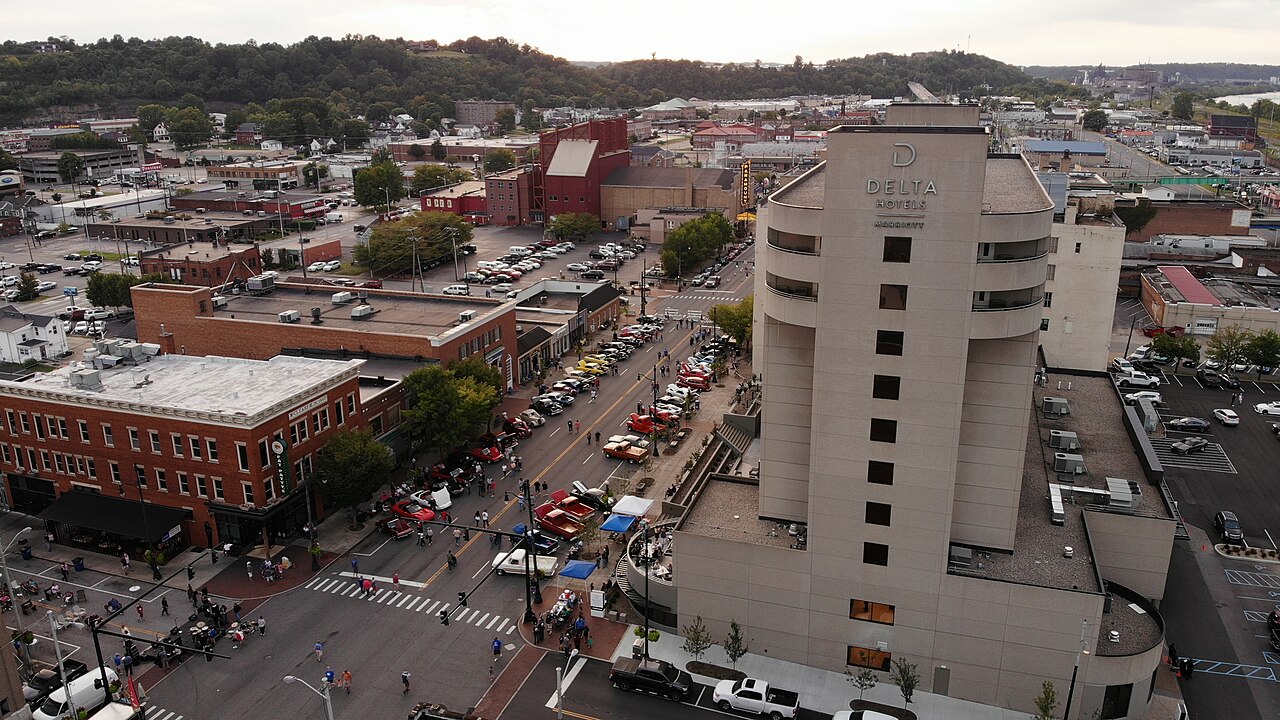
More ways to book Ashland
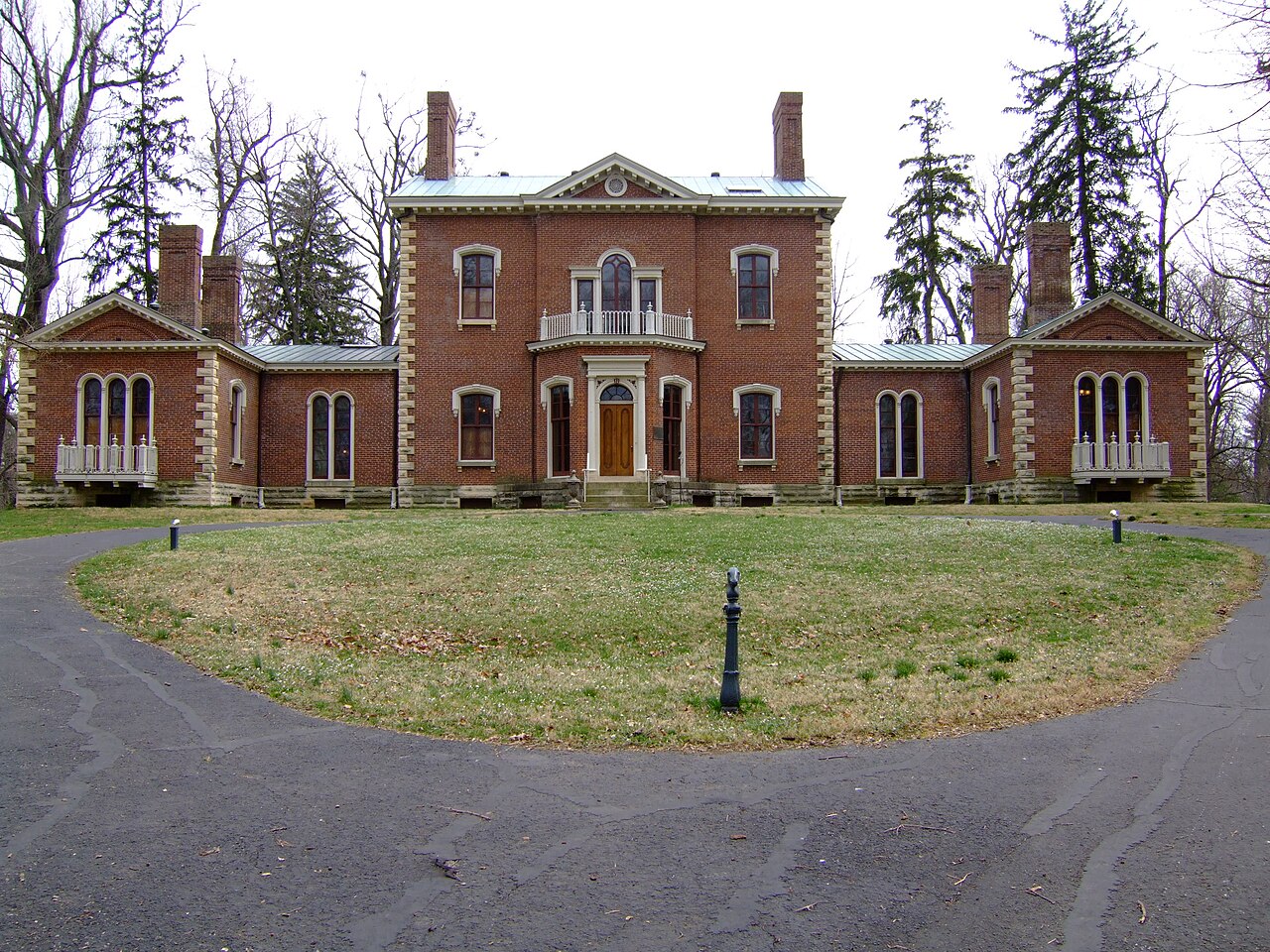 Illustrative · The original uploader was Analogue Kid at English Wikipedia.
Oregon Shakespeare Festival
One of the classic ways to experience Ashland.
Varies (estimate)
Partner link · Viator