
Apostle Islands glamping is best approached as a comfortable mainland base for exploring Lake Superior, rather than an assumption that furnished tents await on the park's islands. Around the gateway communities, look for stays that combine an outdoor setting with the comforts you actually want, whether that means a real bed, a private bathroom, or a kitchenette. Availability and amenities vary, so compare individual listings carefully before building boat and hiking plans around your lodging.
What Glamping Looks Like Near the Apostle Islands
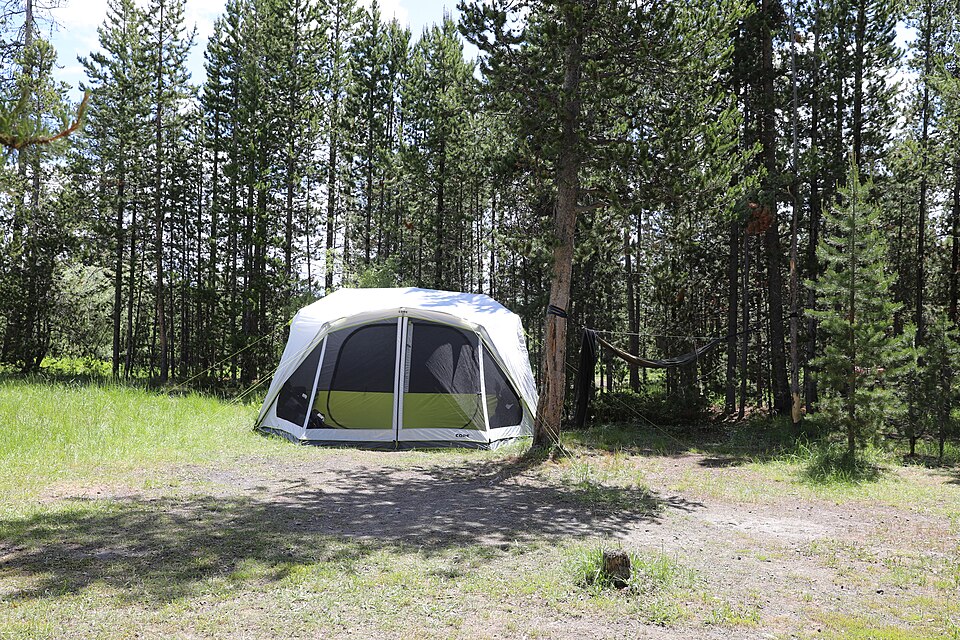
Glamping is a broad lodging label, not a consistent set of amenities. In this region, your search may include furnished tent-style stays, rustic cabins, and other small accommodations with an outdoor focus. Treat these as categories to investigate rather than guaranteed options in every town. A screened porch and woodland setting may matter more to your trip than sleeping under canvas.
Read the details behind the photos. Confirm whether bedding, electricity, drinking water, cooking equipment, heat, and bathrooms are provided, and whether any facilities are shared. Check how far you must carry luggage from parking. National lakeshore island camping is generally a more self-sufficient experience, so do not assume a glamping booking includes park access, boat transportation, or an island campsite.
Where to Base Yourself: Bayfield, Ashland, and Beyond
Bayfield is a practical starting point if your plans center on boat departures and access to Madeline Island. Staying nearby can reduce early-morning driving, though a lodging address described as being in the Bayfield area may still sit well outside town. Check the actual distance to your departure point before booking.
Washburn and Ashland offer additional mainland bases along Chequamegon Bay. They can work well when you value town services and do not mind driving to Bayfield for outings. Cornucopia and the northern Bayfield Peninsula suit a trip focused on Meyers Beach and the mainland shoreline. Duluth is useful as an airport gateway, but it is a long daily commute for a trip centered on Apostle Islands activities.
Choose Your Season and Verify Comfort Features
June through September is the most straightforward season for an outdoor-focused stay near the Apostle Islands. Summer supports a broader range of lake outings, while September can bring cooler sleeping weather and a less hectic atmosphere between busy weekends. Neither season eliminates cold evenings, rain, or mosquitoes, especially around wooded properties.
For a tent-style stay, ask about ventilation, screens, bedding, and the property's approach to prolonged wet weather. For shoulder-season travel, confirm that heating is actually included and that bathrooms and water systems remain available. A listing's year-round calendar does not establish how comfortable every accommodation will feel. Reserve popular summer dates ahead when possible, and check the official NPS website for current conditions and park reservations needed for your separate activities.
Pack for the Lake, Not Just the Lodging
Bring a waterproof outer layer, warm midlayer, comfortable hiking shoes, sun protection, insect repellent, and a headlamp. Even when linens and furniture are supplied, paths to parking or shared bathrooms may be dark or wet. A small daypack and reusable water bottles make it easier to move between town, trail, and boat outings.
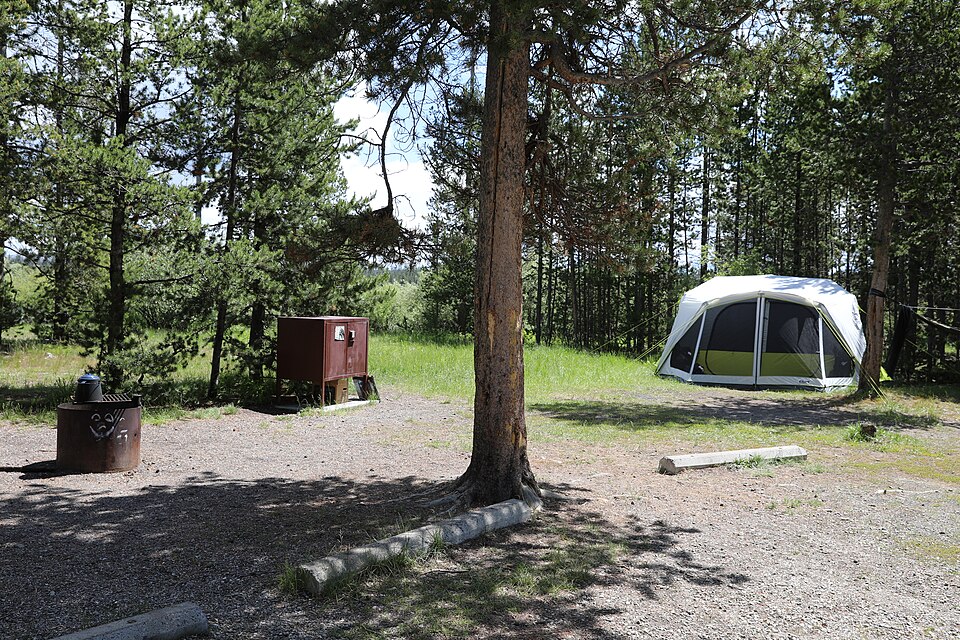
Verify kitchen equipment before packing groceries, and ask about food storage rather than leaving snacks outside overnight. For paddling, follow the outfitter's instructions on immersion clothing and personal equipment; a warm cabin afterward does not change cold-water exposure on the lake. Download directions and reservation details before arrival, since cell service can vary. Check fire rules and local firewood guidance before planning an evening around a campfire.
Glamping vs. Tent Camping vs. an RV Stay
Choose glamping when a bed, shelter, and a lighter packing list justify a generally higher lodging cost. Compare the total estimate, including cleaning charges, minimum stays, and any equipment you still need. A rustic stay with shared bathrooms may feel closer to camping than a cabin, regardless of how it is marketed.
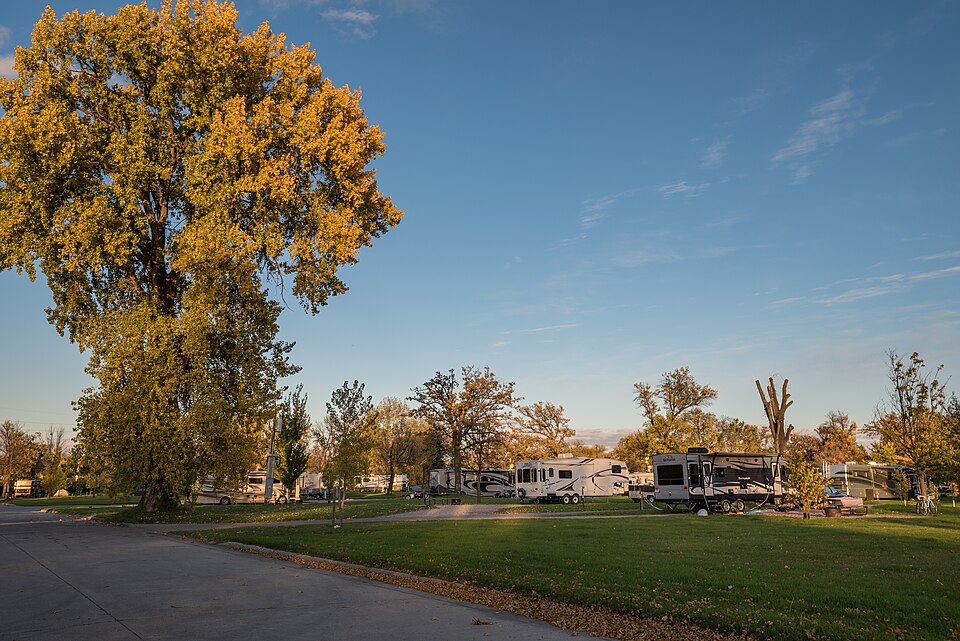
Tent camping usually requires more gear and self-sufficiency. Island camping also involves permits, boat access, and careful food and waste planning; check current NPS requirements before booking transportation. An RV can provide familiar sleeping and cooking space, but you must confirm campsite length limits, hookups, and parking arrangements. For most road-based RV trips, a mainland campground is the practical base. None of these lodging styles removes the need for flexible lake plans.