
For those who want to experience the rugged beauty of the Forgotten Coast without sacrificing modern comforts, Apalachicola glamping is the perfect solution. The region surrounding this historic port is characterized by vast pine forests, mysterious swamps, and pristine barrier islands. Glamping allows you to stay immersed in these landscapes, falling asleep to the sound of the wind through the palms while enjoying a real mattress and climate control.
What to Expect from Glamping in the Region
Glamping near Apalachicola typically takes the form of luxury safari-style tents, outfitted bell tents, or refurbished vintage trailers. Unlike traditional camping, where you might spend hours setting up gear, glamping sites are ready upon arrival. You can expect amenities such as comfortable linens, localized decor, and often a private deck for morning coffee. Many sites are located on the edges of the local forests or near the quiet bay waters, providing a sense of seclusion that a standard hotel cannot offer.
In this part of Florida, glamping emphasizes the connection to the water. You might find sites that include private kayak launches or outdoor fire pits perfect for roasting oysters under the stars. The focus is on a high-end outdoor experience that highlights the natural serenity of the Panhandle. It is an ideal middle ground for travelers who love the idea of the outdoors but want a guaranteed good night's sleep after a day of hiking or paddling the river.
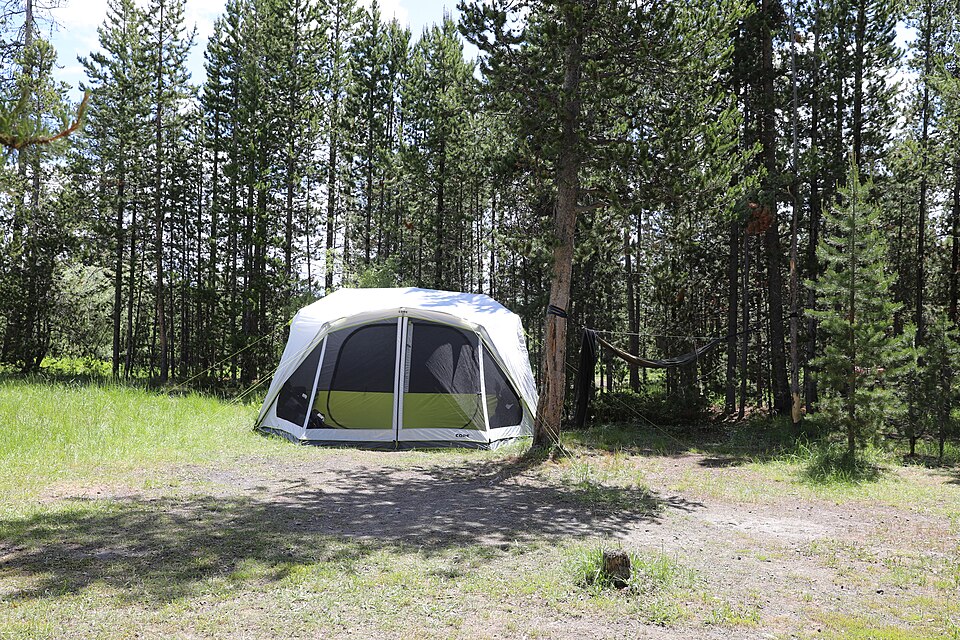
Glamping vs. Camping vs. RVing
Choosing between glamping, traditional camping, and RVing in the Apalachicola area depends on your desired level of immersion and effort. Traditional camping is available in St. George Island State Park and the nearby National Forest, offering the most rustic and budget-friendly experience. However, this requires bringing all your own gear and dealing with the region's infamous humidity and insects. RVing is a popular choice for those traveling along Highway 98, with several parks offering full hookups and views of the bay, providing a mobile home-away-from-home.
Glamping stands out by offering a curated, aesthetic experience. It removes the logistical hurdles of camping while providing more character and proximity to nature than a standard RV park. While RVs are self-contained, glamping often encourages more time spent outside on a porch or around a communal fire. For those flying into Tallahassee and renting a car, glamping is particularly convenient because it eliminates the need to pack or rent bulky camping equipment, allowing you to jump straight into your vacation.
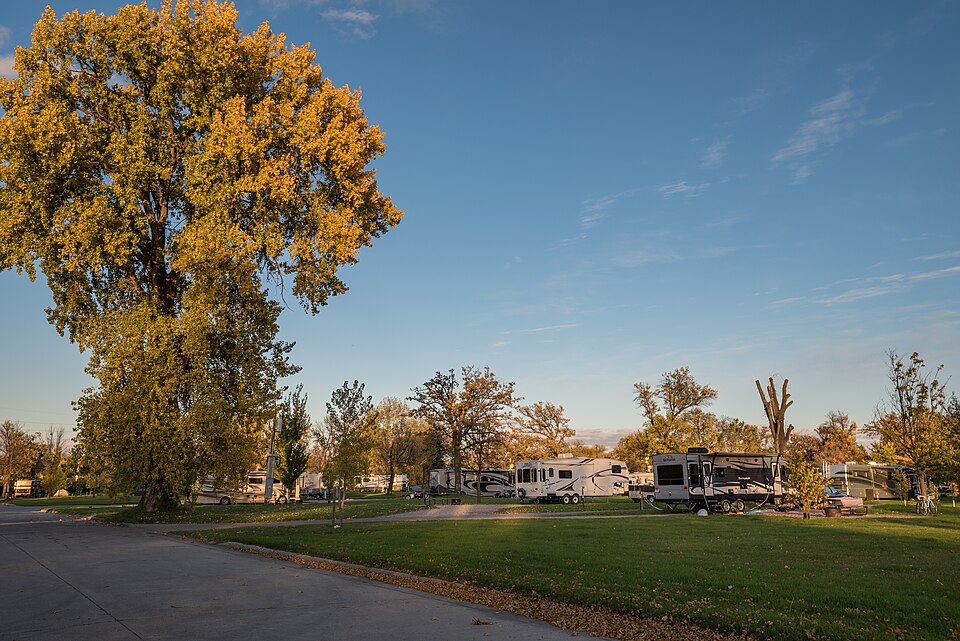
Prime Locations: St. George and Beyond
While you won't find glamping sites in the middle of the brick-paved historic district, there are several excellent areas nearby. St. George Island is a primary destination, where high-end tent setups can be found near the state park boundaries, offering easy access to the Gulf beaches. The Indian Pass area to the west is another hotspot, known for its old-Florida feel and proximity to the St. Vincent National Wildlife Refuge. This area is much quieter and offers a darker night sky, perfect for stargazing from your glamping site.
Further inland, the edges of Tate's Hell State Forest provide a different glamping vibe. Here, the scenery shifts from sand dunes to towering pines and cypress swamps. These locations are ideal for those who want to focus on freshwater fishing or exploring the winding river trails. Each location offers a different soundtrackâthe rhythmic crashing of Gulf waves at the island sites versus the chirping of cicadas and owls in the forest sites. Be sure to check the official Florida State Parks website for any sanctioned luxury camping partnerships in these protected areas.
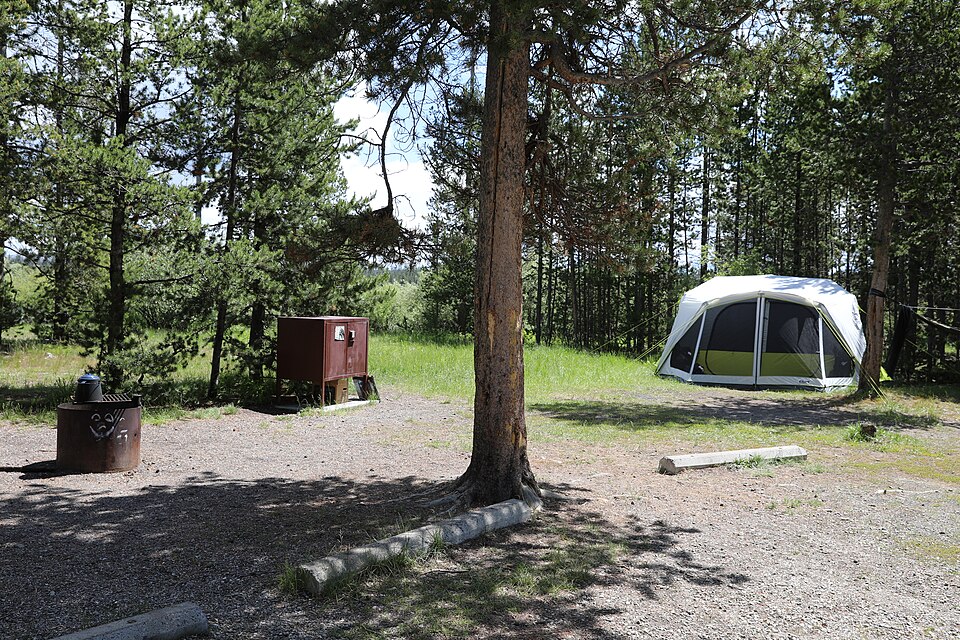
The Best Seasons for Glamping
Timing is crucial for a successful glamping trip in the Panhandle. The most pleasant months are October, November, March, and April. During these windows, the daytime temperatures are mild, and the nights are cool enough to truly enjoy the 'outdoor' aspect of your stay without the oppressive heat. Fall glamping is particularly special because the lack of humidity makes for exceptionally clear nights, and the mosquito population begins to dwindle.
Winter glamping can be cozy, provided your site offers heating elements or heavy bedding. A crisp January night in a luxury tent can be a wonderful way to experience the solitude of the coast. However, summer glamping requires caution. The high heat and humidity of July and August can make even a luxury tent feel stifling if it lacks high-powered air conditioning. Additionally, the summer months bring the peak of the insect season; if you choose to glamp during this time, ensure your site has high-quality mesh screening and plan to spend your midday hours in the water or in town.
Planning Your Glamping Adventure
When planning your Apalachicola glamping trip, start by deciding which ecosystem you want to wake up inâthe beach or the forest. Since glamping sites are limited in number compared to traditional hotels, booking at least four to six months in advance is highly recommended, especially for weekend stays in the spring or fall. Costs for glamping in the area are comparable to mid-range hotels, typically reflecting the 'boutique' nature of the experience.
Always check what is included in your stay. While most provide bedding and basic lighting, you may still need to bring your own cooler for drinks or specific outdoor gear. It is also wise to check the proximity of your site to the town of Apalachicola; while you want to feel remote, you will likely still want to drive into town for a dinner of fresh oysters or to browse the galleries. Finally, verify the cancellation policies, especially during the peak of hurricane season in the late summer, to ensure your travel plans remain flexible in the face of coastal weather patterns.