
Glamping near Antelope Canyon means staying in the surrounding desert region, not sleeping inside the famous guided slot canyon. Think furnished tents, small cabins, or other outdoor-focused lodging, with comfort levels that vary considerably by property. Page is the easiest starting point for a short visit, while more distant gateway areas suit slower road trips. Choose your stay around the tour meeting point, reliable climate control when needed, and the amenities your group actually uses.
What Glamping Looks Like in This Desert Region
Glamping is a broad label, so focus on the accommodation details rather than the photographs. A furnished tent might provide a proper bed and electricity but rely on shared bathrooms. A cabin or other enclosed unit may offer a private bathroom and stronger protection from wind, heat, or cold. Kitchens, drinking water, heating, and air conditioning are not universal.
Ask whether the unit has actual cooling or simply a fan, and whether bathrooms require an outdoor walk. Confirm road access, parking, and how check-in works if you arrive after dark. Desert views can be wonderful, but an attractive setting does not automatically mean easy tour logistics. Antelope Canyon access still requires a separate authorized guided reservation.
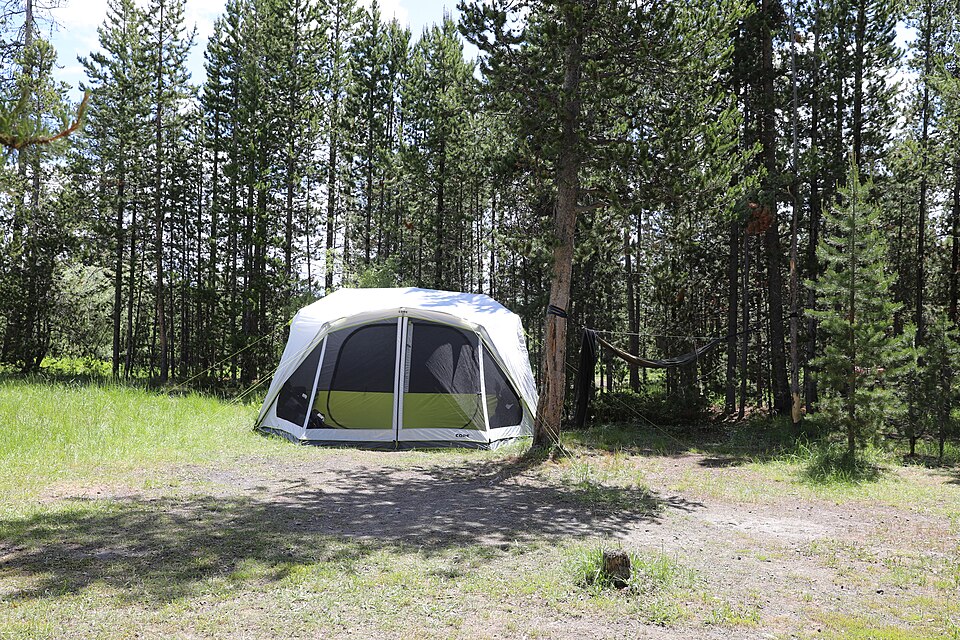
Where to Base Your Search: Page and Beyond
Start with Page and its immediate surroundings if the canyon is the main reason for your trip. Being near town generally simplifies meals, supplies, and reaching the tour meeting point. For a broader search, consider the Lake Powell gateway area around Big Water, Utah, while checking the actual driving route rather than judging distance from a map alone.
Kanab is better suited to travelers linking several southern Utah and Northern Arizona destinations than those seeking the shortest canyon commute. Flagstaff works as a larger regional gateway but is farther away and higher in elevation, with different weather. These are search areas, not guarantees of specific lodging inventory. Confirm the property's address, legal road access, and realistic travel time before booking.
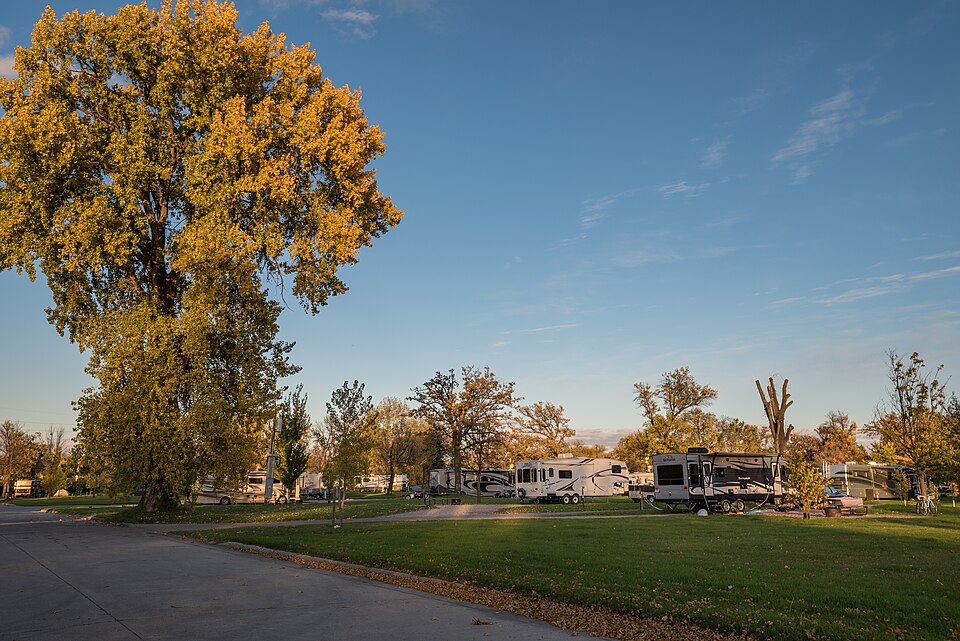
Choose the Season Around Overnight Comfort
Spring and fall are useful starting points for a desert glamping stay, with generally more comfortable daytime conditions than midsummer. Even then, nighttime temperatures can drop enough to make bedding and heating important. Spring wind can rattle canvas and carry dust, so ask how exposed the unit is and what protection it offers.
Summer requires closer attention to cooling. A shaded porch or fan is not the same as air conditioning, and a tent can remain uncomfortable during hot periods. Thunderstorms can also disrupt outdoor plans. Winter favors lodging with dependable heating and clear information about seasonal water service. Check local forecasts before departure, and verify canyon conditions with official Navajo park resources and your tour operator.
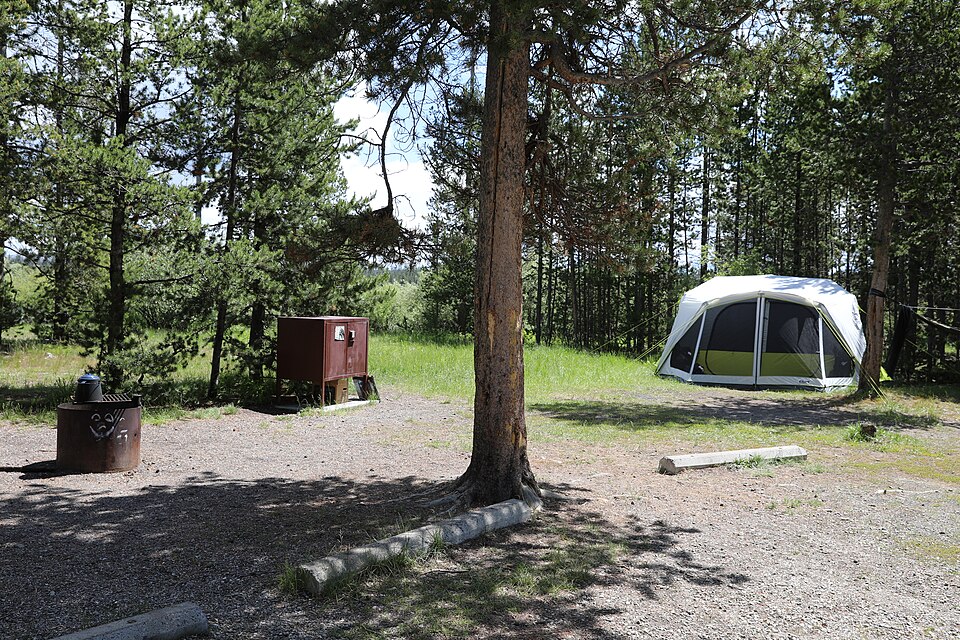
Pack for Sand, Sun, and Cool Evenings
Bring layers, supportive closed-toe shoes, a sun hat, sunscreen, and refillable water bottles. A headlamp is useful when bathrooms or parking areas are separate from your unit. Add a warm evening layer even in otherwise mild weather, plus a charging cable and backup battery if electricity is limited. Keep camera gear protected from blowing sand.
Ask what bedding, towels, cooking equipment, drinking water, and food storage the property supplies before packing bulky extras. Do not assume you can build a campfire; local restrictions and property rules may prohibit it. For the canyon tour itself, pack separately and follow the operator's current bag and equipment restrictions. What is useful at camp may not be allowed inside the canyon.
Glamping vs. Camping vs. an RV Stay
Glamping reduces setup and can make a short trip easier, but it often costs more than a basic campsite. Treat rates as rough planning variables until you see the full booking total, including required fees. Traditional camping gives you more control over gear but adds setup, weather exposure, and responsibility for water and food storage.
An RV offers a familiar sleeping space and may provide climate control when power arrangements support it. Confirm hookups, vehicle-size limits, and parking rules rather than assuming every site fits your rig. For any option, prioritize sleep and tour access over novelty. Check the official NPS Glen Canyon website for park campground reservations and current restrictions, and use the lodging property's own details for private stays.