
Albuquerque sits in a unique high-desert environment where the weather remains relatively dry and sun-drenched throughout the year. Choosing the best time to visit Albuquerque depends largely on whether you are coming for the world-renowned Balloon Fiesta or seeking quiet hiking trails in the Sandia Mountains. With over three hundred days of sunshine annually, this New Mexico hub offers distinct seasonal charms that cater to outdoor enthusiasts and cultural explorers alike. Understanding the nuances of the high-altitude climate will ensure your stay is comfortable and fulfilling.
Autumn Bliss and Ballooning
Fall is widely considered the best time to visit Albuquerque, particularly from September through early November. During these months, the intense summer heat fades into crisp, cool mornings and pleasantly warm afternoons. This is the season of the Albuquerque International Balloon Fiesta, an event that sees hundreds of colorful balloons fill the morning sky. Because this is the most popular time for tourism, you should expect larger crowds and higher accommodation costs.
Beyond the festivals, the cottonwood trees along the Rio Grande Bosque turn a brilliant golden hue, providing a stunning backdrop for riverside walks and cycling. The air is often filled with the sweet, smoky aroma of roasting green chiles, a seasonal staple of New Mexico culture. While the days are perfect for light jackets, the desert temperatures drop significantly at night, so layered clothing is essential for enjoying the evening glow of grounded balloons or stargazing in the high-desert air.
Spring Blooms and Desert Breezes
Spring is another excellent window for visiting, especially for those who enjoy wildflowers and moderate temperatures. From late March through May, the desert landscape begins to wake up with bursts of color from cacti and yucca plants. Daytime highs are typically comfortable for strenuous hiking in the foothills or exploring the historic Old Town district.
However, travelers should be aware that spring is the windiest season in Central New Mexico. Sustained breezes and occasional dust storms can occur, which might impact outdoor activities like tramway rides or mountain biking. If you plan your visit during this time, it is wise to keep your schedule flexible. Despite the wind, the lack of peak-season crowds makes spring an attractive option for budget-conscious travelers looking for a more peaceful experience. It is a fantastic time for birdwatching as migratory species return to the Rio Grande Valley, filling the local parks with activity before the summer heat arrives.
Summer Sun and High-Altitude Heat
Summer in Albuquerque brings bright, intense sunshine and daytime temperatures that frequently climb into the nineties. Because of the city's high elevationâover 5,000 feetâthe sun is much stronger than it feels, making sun protection and consistent hydration vital for any outdoor excursion. Fortunately, the low humidity helps keep the heat from feeling oppressive, and the shade of the large cottonwood trees in the valley provides a natural respite.
Late summer, particularly July and August, marks the arrival of the monsoon season. This period is characterized by dramatic, fast-moving afternoon thunderstorms that bring heavy rain and impressive lightning displays across the vast horizon. These storms are usually brief and help cool the air for pleasant evenings. Summer is a great time to take the Sandia Peak Aerial Tramway to the mountain crest, where temperatures are often twenty degrees cooler than the city floor, offering a refreshing escape for hikers and sightseers looking to beat the heat.
Lock in a stay for this season
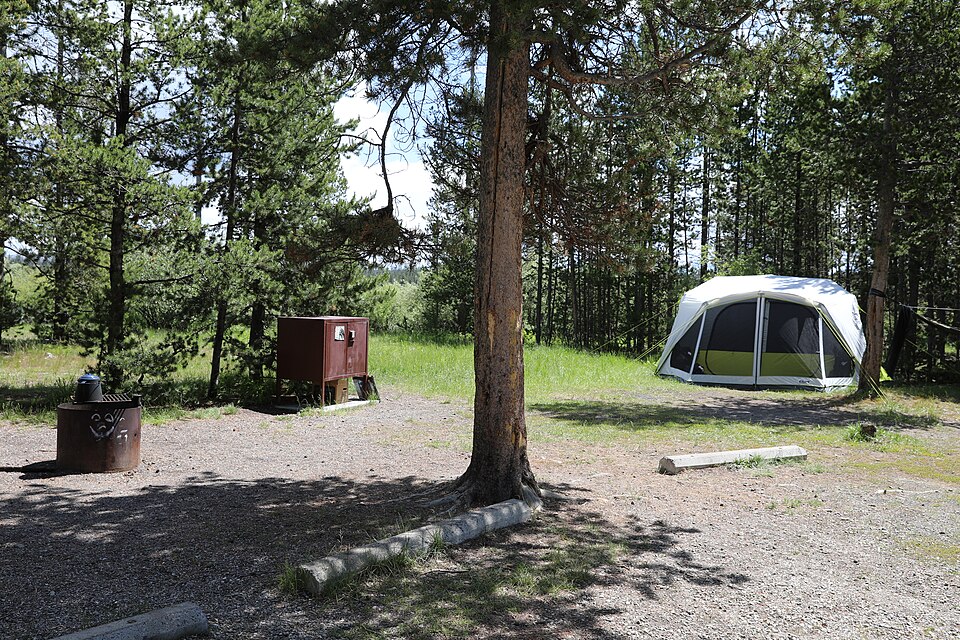
Harvest Hosts stays on the way to Albuquerque
Partner link · Harvest Hosts
Winter Quiet and Snowy Peaks
Winter in Albuquerque is relatively mild compared to northern states, but the high-desert nights can be quite cold, often dipping below freezing. While the city itself rarely sees heavy snow that stays on the ground for long, the surrounding Sandia Mountains frequently receive enough snow for skiing and snowshoeing. This is the quietest time for tourism, making it ideal for those who prefer exploring museums and galleries without the crowds.
Holiday traditions in Albuquerque are particularly special, featuring thousands of luminariasâsmall paper lanternsâthat line the streets and adobe rooftops on Christmas Eve. The crisp, clear winter air also provides exceptional visibility for photography and long-range views of the volcanic cones to the west. If you are visiting in winter, plan for indoor morning activities and outdoor explorations in the mid-afternoon when the sun is at its peak. It is a season of stark beauty, where the red rocks and brown adobe buildings provide a warm contrast against the occasional dusting of white snow.
Managing Reservations and Crowds
Timing your reservations is critical when planning your trip around major events. For the October ballooning window, it is not uncommon for hotels and campsites to book out a year in advance. During this peak period, expect traffic near the Balloon Fiesta Park and busier restaurants throughout the city. If your goal is to avoid the hustle, consider visiting in the shoulder weeks of late September or late October when the weather is still sublime but the influx of visitors has lessened.
For any season, it is recommended to check the official National Park Service or city event websites for current conditions, trail closures, or special permit requirements. While Albuquerque generally does not require permits for casual hiking, specific areas like the Petroglyph National Monument have designated hours and parking regulations. By planning ahead and understanding the seasonal rhythm of the high desert, you can ensure a smooth trip that captures the true essence of New Mexico's largest city and its stunning natural surroundings.
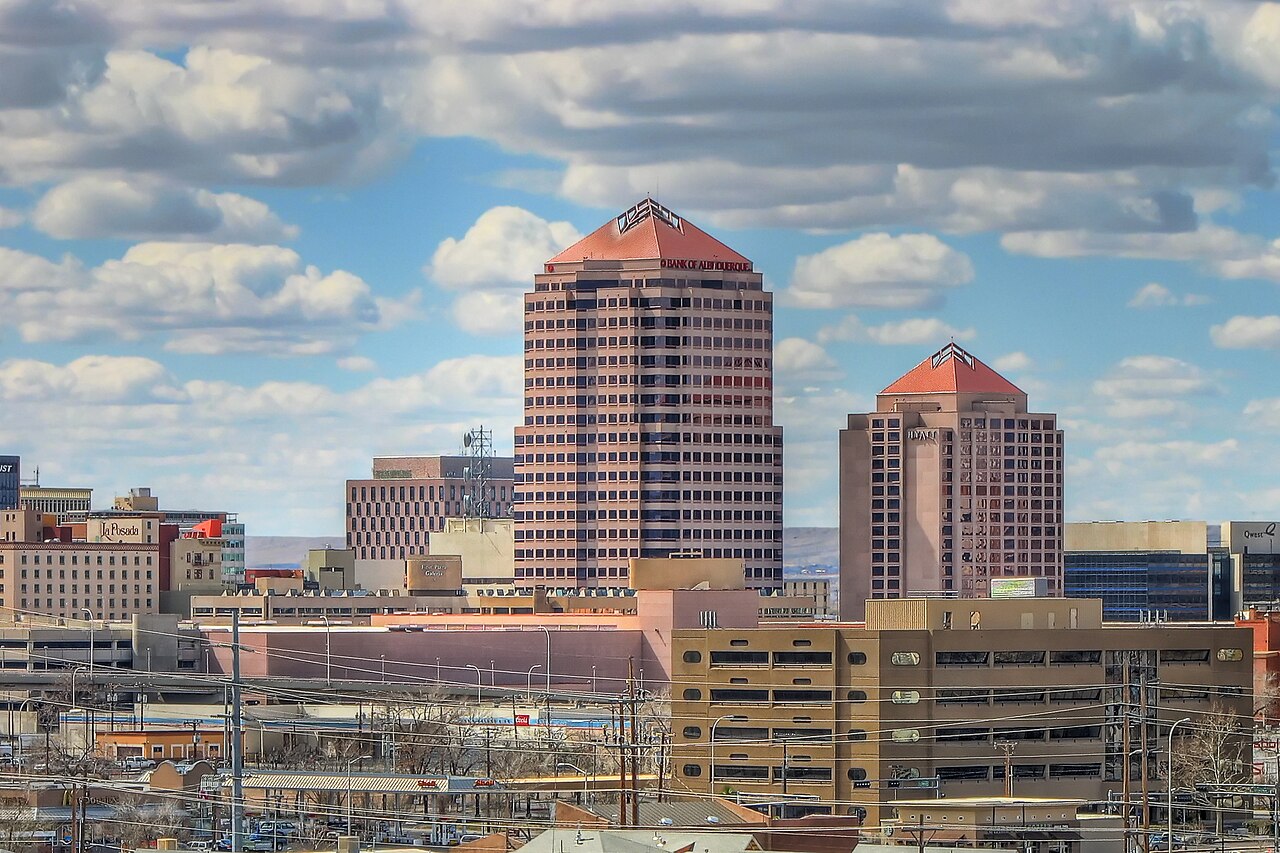
More ways to book Albuquerque
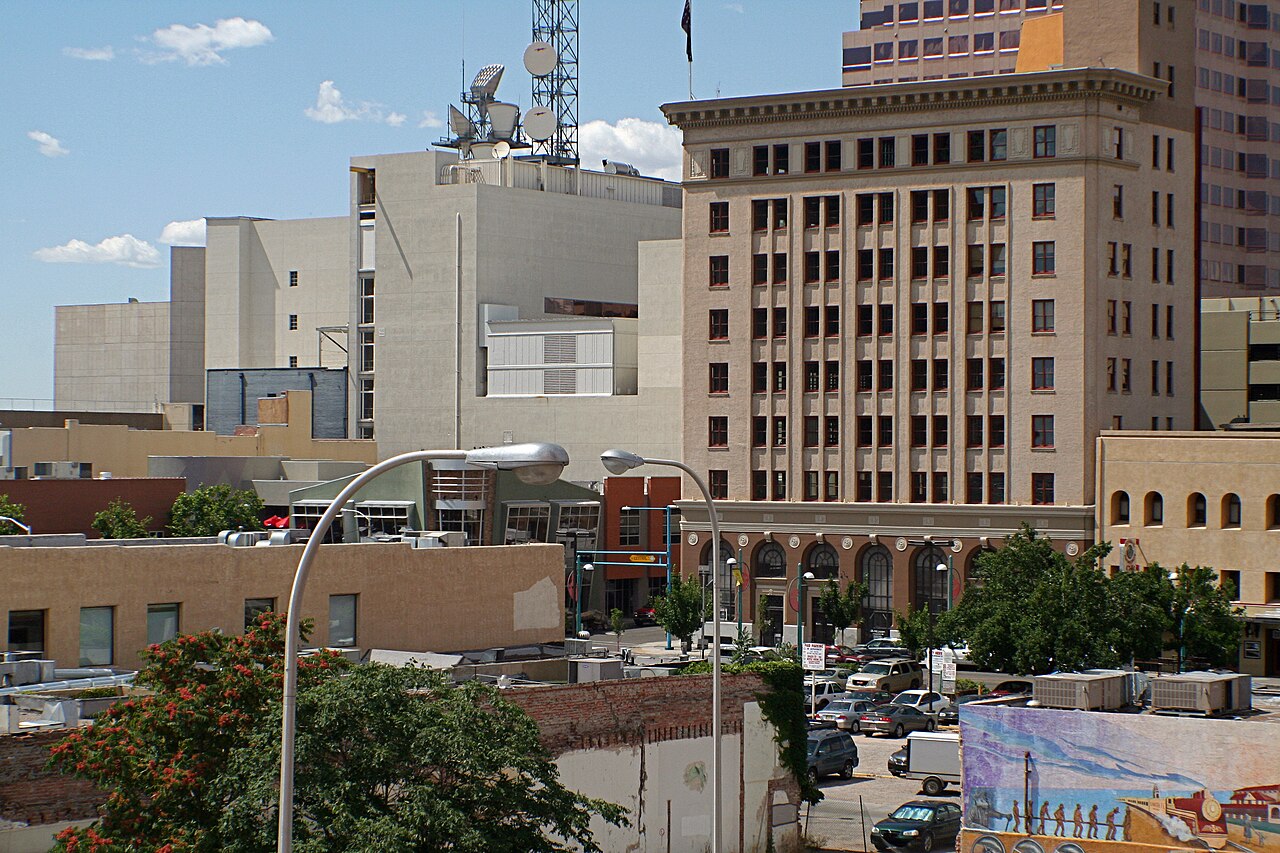 Illustrative · Asaavedra32
Paseo del Bosque Trail
One of the classic ways to experience Albuquerque.
Varies (estimate)
Partner link · Viator